Book cheap flights to Dar es Salaam

Explore the best deals

Discover the cheapest flights to Dar es Salaam

Filter by
The prices shown on this page were available within the last 20 days for the specified periods and should not be considered the final price offered. Please note that availability and prices are subject to change.

Popular flight routes to Dar es Salaam
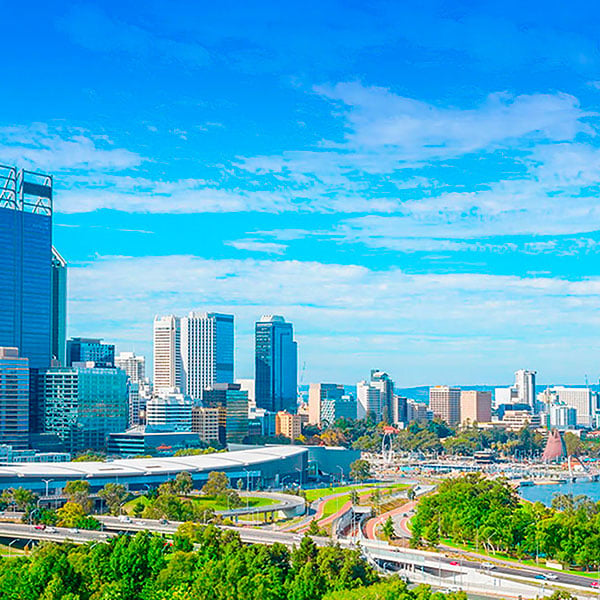
Perth
Flights from Perthto Dar es Salaam
1020$
973$
Prime price per passenger
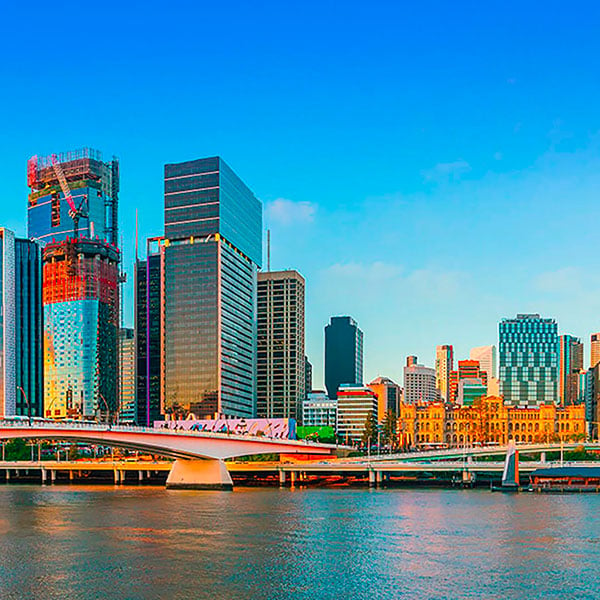
Brisbane
Flights from Brisbaneto Dar es Salaam
961$
913$
Prime price per passenger
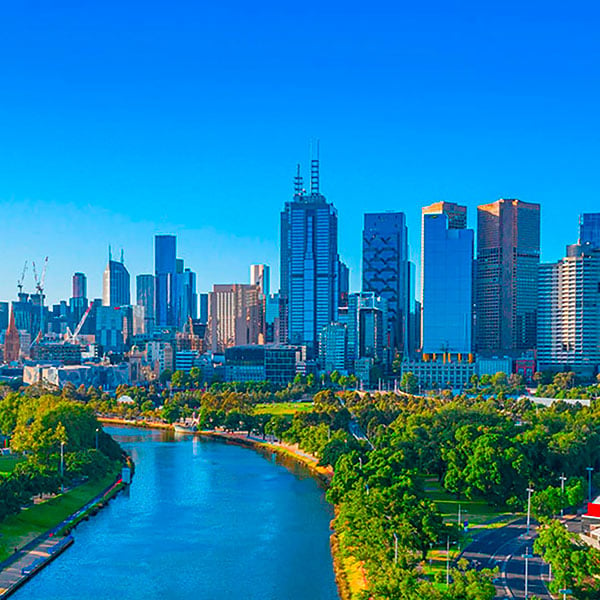
Melbourne
Flights from Melbourneto Dar es Salaam
1213$
1161$
Prime price per passenger
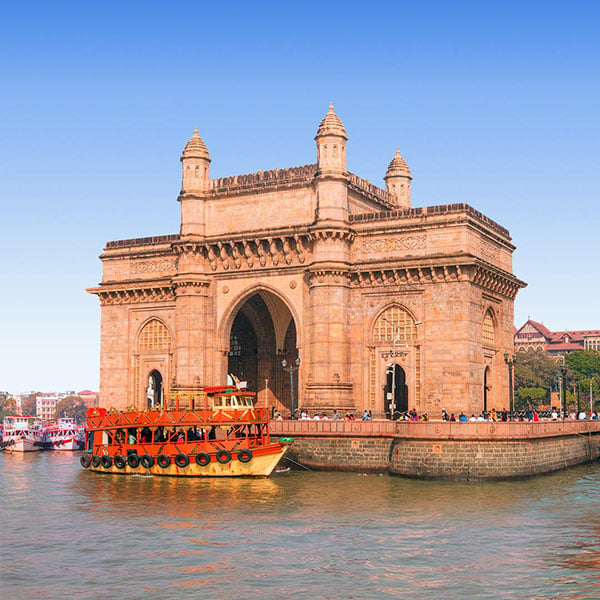
Mumbai
Flights from Mumbaito Dar es Salaam
328$
315$
Prime price per passenger
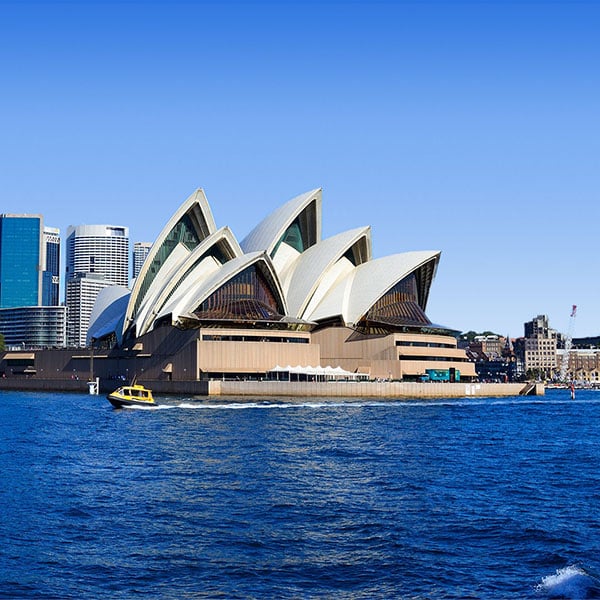
Sydney
Flights from Sydneyto Dar es Salaam
1018$
967$
Prime price per passenger
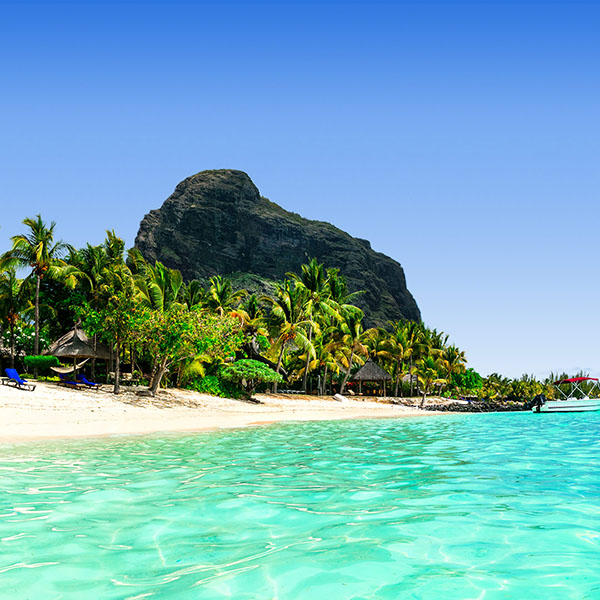
Mauritius
Flights from Mauritiusto Dar es Salaam
739$
Prime price per passenger

How long’s the flight to Dar es Salaam?

If you’re looking to fly to Dar es Salaam, we at Opodo have checked the most popular routes to help you plan your trip. From Perth, the flight takes roughly 18h 11m; from Adelaide, around 19h 33m; and from Melbourne, about 20h 27m.
Flight Time (in hours)
PerthAdelaideMelbourneBrisbaneSydney
0h 5h 10h 15h 20h 25h
18h 11m
19h 33m
20h 27m
21h 2m
21h 9m

How much does a flight to Dar es Salaam cost?

At Opodo you can find flights from Perth to Dar es Salaam starting from $785, with an average price of $1,231. If you depart from other cities such as Sydney, you can find tickets from $788, and from Melbourne starting from $809, according to data from the last 72 hours.
Filter by
PerthSydneyMelbourneAdelaideBrisbane
$1,231
$1,482
$1,110
$1,900
$1,222
PerthCheapest
Cheapest Price: $785
Cheapest
Average

Find cheap flights to Dar es Salaam

Dar es Salaam functions as the primary maritime gateway and economic heartbeat of the region, where the Indian Ocean meets a sprawling urban landscape. Travellers arriving at this coastal destination encounter a city that serves as a vital transit point for journeys towards the archipelago or the deep interior.

The city’s architectural identity is defined by a blend of African, Arab, and European influences, best observed in the historic Kivukoni Fish Market and the National Museum and House of Culture. Landmarks such as the Askari Monument and St Joseph’s Cathedral provide tangible links to the colonial past, while the Mwenge Woodcarvers Market showcases contemporary artistic traditions.

Life here moves to a rhythmic, tropical pace, characterised by the bustling energy of the harbour and the quieter, tree-lined streets of Oyster Bay. Visitors often find that the city offers a profound sense of discovery, balancing its role as a commercial powerhouse with the laid-back atmosphere of its sandy fringes and diverse culinary heritage.

When to visit Dar es Salaam: peak seasons and quiet spells

The peak dry season from June to October

During the cooler, dry months between June and October, the city experiences its most comfortable climate, with daytime temperatures averaging around 25°C to 30°C. Upon landing at Julius Nyerere International Airport, visitors are greeted by clear blue skies and a refreshing breeze blowing off the Indian Ocean. This period is defined by a lively, high-energy atmosphere as the lack of rainfall makes the city’s outdoor spaces and coastal strips highly accessible for exploration.

Cultural life flourishes during these months, marked by a surge in open-air festivals and social gatherings. The Coco Beach area in Oyster Bay and various beachfront districts become focal points for locals and travellers alike, who take advantage of the low humidity to enjoy the bustling street food scene and evening markets. The pace of life feels brisk and celebratory, with the predictable weather supporting a seamless transition from urban business to coastal relaxation.

The humid season from November to May

The arrival of the shorter rains in November, the hot and comparatively dry stretch from December to February, and the heavier monsoon period from March to May together transform the landscape into a lush, tropical expanse. Temperatures often climb above 32°C, and the high humidity creates a slower, more deliberate pace of daily life as residents seek shade and indoor comforts. Arriving by air during this season offers a spectacular view of the surrounding terrain, which turns a deep, rich green as the vegetation thrives under the frequent downpours.

While the rain can be intense, it often arrives in short, powerful bursts, leaving the air feeling cleansed and the dust settled. This season offers a more intimate look at the local lifestyle, as the city retreats into its diverse indoor cultural venues and traditional coffee houses. The atmosphere is notably quieter and more relaxed, providing a unique perspective on the city’s natural beauty and its resilience against the elements of the East African coast.

Transport to and from Dar es Salaam Airport

Functioning as the primary aviation gateway for East Africa, the air facilities serving this coastal metropolis provide essential links for those arriving on a flight to Dar es Salaam from across the continent and beyond. The city is served by a single major international hub that manages the vast majority of commercial passenger traffic for the region.

Julius Nyerere International Airport (DAR)

Located approximately 12 km south-west of the city centre, Julius Nyerere International Airport (DAR) serves as the principal point of entry for travellers visiting the coast or transit passengers heading to the national parks. The facility is divided into three terminals: Terminal 1 handles chartered and private flights, Terminal 2 is dedicated to domestic regional traffic, and the modern Terminal 3 manages the bulk of international flights to Dar es Salaam. As the largest airport in the country, it serves as the home base for Air Tanzania and operates as a key hub for Precision Air, offering connections to major global hubs in the Middle East, Europe, and neighbouring African capitals.

Upon arrival, the most practical way to reach the city is by taking an official airport taxi, which can be arranged at the designated counters located outside the arrival halls. The journey to the City Centre or the popular peninsula district of Msasani typically takes between 30 and 60 minutes, depending heavily on the varying traffic conditions along Julius Nyerere Road. For a more local experience, the BRT (Bus Rapid Transit) system provides a connection from the airport area towards the Gerezani or Kivukoni hubs, though this may require a short walk or taxi to the nearest dedicated station. Ride-hailing apps also operate within the city and provide a reliable alternative for transport to hotels in the Posta district or the Dar es Salaam Yacht Club area.

Top things to do in Dar es Salaam

Discover the top things to do and see in Dar es Salaam, from bustling markets to serene islands, offering a rich blend of traditional Swahili culture and a fast-paced urban energy.

  • Kivukoni Fish Market: Arriving at the water’s edge at dawn offers a sensory immersion into the city’s soul, where the shouting of auctioneers and the smell of the sea create an electric atmosphere. It is the best place to witness the local economy in motion as traditional dhows unload their morning catch.
  • National Museum and House of Culture: This quiet sanctuary provides a deep dive into the region’s heritage, housing significant archaeological finds like the Zinjanthropus fossils. The exhibits trace the evolution of the coast from its ancient roots to the era of independence, offering essential context for any visitor.
  • Askari Monument: Standing at a busy historic intersection, this bronze statue serves as a poignant reminder of the African troops who fought in World War I. The surrounding architecture reflects the city’s colonial layers, marking a central point where the past meets the modern rush of the business district.
  • Mwenge Woodcarvers Market: This open-air workshop is a hub for artisanal excellence, where the rhythmic tapping of chisels reveals the creation of intricate Makonde carvings. Visitors can watch masters at work, transforming raw ebony into fluid, symbolic sculptures that are famous across the continent.
  • Village Museum: Located slightly away from the central bustle, this open-air ethnographic site features authentic replicas of traditional dwellings from various ethnic groups. It offers a rare opportunity to see live cultural dance performances and understand the diverse architectural styles that predate the city’s modern expansion.
  • Bongoyo Island: A short boat trip from the mainland leads to this uninhabited marine reserve, offering a stark contrast to the city’s intensity with its white sands and limestone cliffs. It serves as a peaceful retreat where the underwater world of the Indian Ocean is easily accessible through snorkelling.
  • Azania Front Lutheran Church: This landmark, with its bright white walls and red-tiled roof, stands as a prominent feature of the harbour-front skyline. Built by German missionaries in the late 19th century, its distinctive architecture remains a focal point for those exploring the city’s maritime history.

Plan your trip to Dar es Salaam now

A single search is enough to set things in motion, and booking your seat to Dar es Salaam is the first step towards a remarkable Swahili coast discovery. To land the smoothest flight options, book ahead of time and allow a little give in your arrival dates, as these habits often reveal the best opportunities for air travel. For those who fly regularly, an Opodo Prime membership opens the door to extra benefits that add something more to every trip to this vibrant destination.

FAQ's about Dar es Salaam

How can I find cheap flights to Dar es Salaam at Opodo?
At Opodo you can find flights from $244 to Dar es Salaam. Our offers are the result of a combination of different technologies, machine learning algorithms and real searches form our customers in our platform, so you can get the options that better suits your needs when flying to Dar es Salaam.
When's the best time to go to Dar es Salaam?
We checked our customers' flight searches, and the winner of best time to fly to Dar es Salaam is... April.
The next best month to travel to Dar es Salaam is March.
And let's not forget February, the third top choice for when to go to Dar es Salaam.
However if you prefer things on the less busy side, we can also tell you (quietly) that the least popular month for flights to Dar es Salaam is November.
What are the cheapest airlines flying to Dar es Salaam?

Looking at the prices of our customers' bookings from Australia to Dar es Salaam, your best bet for cheap flights is:

  • Batik Air Malaysia: average one-way price of $2,427.30 , with Perth to Dar es Salaam an average of $2,427.30 and Melbourne from $2,822.97.
  • Etihad Airways (one-way average: $2,525.66) : this includes an average price from Melbourne to Dar es Salaam of $2,424.03 and also flights from Sydney costing $3,169.31.
  • Cathay Pacific: average cost for one-way was $2,959.97 , with Sydney to Dar es Salaam flights costing an average of $2,959.97 and the price tag from Sydney being $2,959.97.
Which airlines fly to Dar es Salaam from Australia?

Airlines flying direct from Australia to Dar es Salaam include:

  • World Ticket Ltd, which flies from Johannesburg and Arusha to Dar es Salaam plus from Zanzibar.

Indirect flights from the Australia to Dar es Salaam include:

  • Malaysia Airlines, which flies from Singapore and Melbourne and also from Canberra.
  • Emirates, with flights from Singapore and Sydney to Dar es Salaam plus Bogota.
  • Kenya Airways, which has flights from Sydney and Brisbane as well as from Norfolk Island to Dar es Salaam.
What is the weather like in Dar es Salaam?
If you're looking for summer vibes, the best time to travel to Dar es Salaam is in February, March and January, when the average temperature reaches 32º, while July, August and September are the 3 sunniest months of the year, with an average of 27 hours. If you prefer colder temperatures, however, make sure you visit Dar es Salaam during the months of August, July and September to experience an average of 18º. For those who don't care too much about temperatures, but want to avoid getting wet in the rain, it's important to avoid travelling during April, May and March, when the average precipitation in Dar es Salaam is 197mm, while the months of September, August and July are drier, with an average of 24mm.

Plan your trip

Other popular routes to explorePopular CitiesPopular Flight Routes