Book cheap flights to Dubai

Explore the best deals

Discover the cheapest flights to Dubai

Filter by
The prices shown on this page were available within the last 20 days for the specified periods and should not be considered the final price offered. Please note that availability and prices are subject to change.

Popular flight routes to Dubai
Melbourne
Flights from Melbourneto Dubai
976$
909$
Prime price per passenger
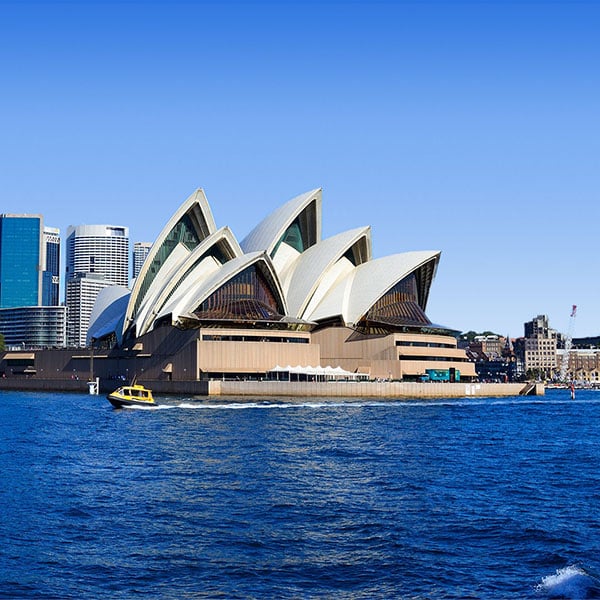
Sydney
Flights from Sydneyto Dubai
2329$
2211$
Prime price per passenger
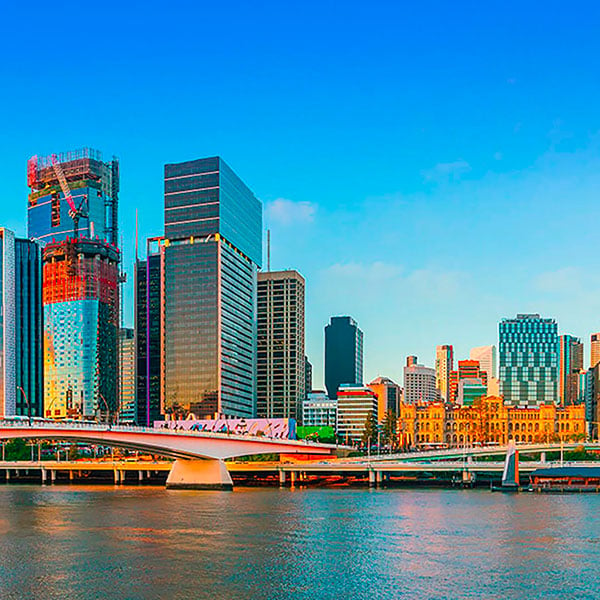
Brisbane
Flights from Brisbaneto Dubai
2609$
2509$
Prime price per passenger
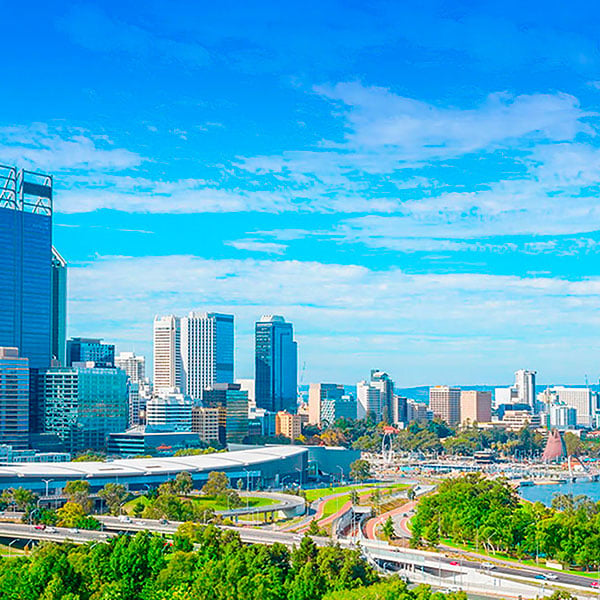
Perth
Flights from Perthto Dubai
1743$
1680$
Prime price per passenger
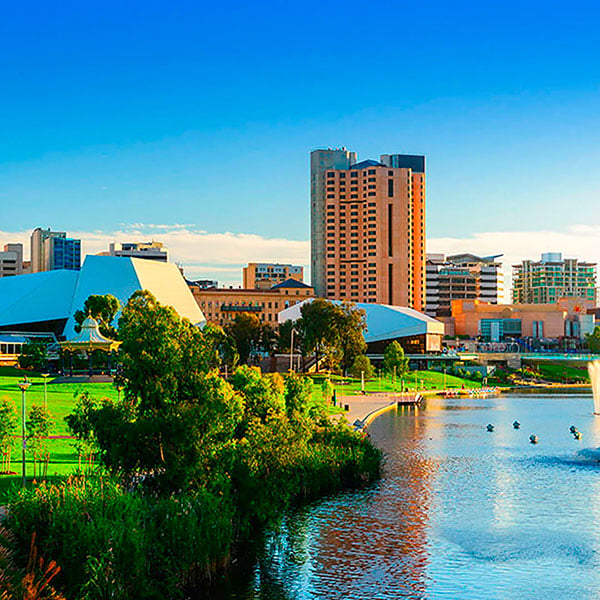
Adelaide
Flights from Adelaideto Dubai
1695$
1614$
Prime price per passenger
Kuala Lumpur
Flights from Kuala Lumpurto Dubai
385$
374$
Prime price per passenger

How long’s the flight to Dubai?

If you’re looking to fly to Dubai, we at Opodo have checked the most popular routes to help you plan your trip. From Adelaide, the flight takes roughly 14h 59m; from Brisbane, around 16h 42m; and from Melbourne, about 17h 5m.
Flight Time (in hours)
AdelaideBrisbaneMelbourneSydneyGold Coast - Coolangatta
0h 5h 10h 15h 20h
14h 59m
16h 42m
17h 5m
17h 19m
19h 9m

How much does a flight to Dubai cost?

At Opodo you can find flights from Melbourne to Dubai starting from $567, with an average price of $1,226. If you depart from other cities such as Sydney, you can find tickets from $581, and from Brisbane starting from $694, according to data from the last 72 hours.
Filter by
MelbourneSydneyBrisbaneGold Coast - CoolangattaPerth
$1,226
$1,472
$1,530
$814
$1,853
MelbourneCheapest
Cheapest Price: $567
Cheapest
Average

Find cheap flights to Dubai

As the aircraft descends towards the desert coastline, the striking skyline of Dubai comes into view, revealing a global hub that has transformed from a quiet fishing village into a primary international gateway. This destination serves as a pivotal crossroads between East and West, where futuristic ambitions meet the deep-rooted traditions of the Arabian Peninsula.

The city’s architectural identity is defined by record-breaking structures like the Burj Khalifa and the sail-shaped Burj Al Arab, which stand in contrast to the heritage found along the Dubai Creek. Exploring the labyrinthine alleys of the Al Fahidi Historical Neighbourhood or visiting the Jumeirah Mosque provides a glimpse into the cultural foundation that predates the modern metropolis.

Travellers are often drawn to this landscape for its blend of high-end innovation and traditional souks. Whether the journey focuses on the contemporary art galleries of Alserkal Avenue or the vast golden dunes surrounding the urban centre, the city offers a unique atmosphere of rapid evolution and luxury.

When to visit Dubai: peak seasons and quiet spells

High season in Dubai

From November to March, the city experiences its peak period as temperatures settle into a comfortable range between 20°C and 30°C. This temperate climate transforms the urban landscape into a lively outdoor playground, where the humidity of the coast is replaced by a crisp, pleasant breeze. Travellers arriving at Dubai International Airport during these months step into a city operating at its most energetic pace, with the streets and waterfronts bustling until the late evening hours.

The social calendar is packed with major international events, including the Dubai Shopping Festival and various high-profile sporting tournaments. Life moves outdoors to the terraces of Dubai Marina and the expansive public beaches like Jumeirah Beach, where the cooler air allows for long afternoons under the sun. This season defines the city’s identity as a global hub for luxury and leisure, offering the ideal conditions for exploring the architectural marvels of Downtown Dubai or undertaking desert excursions without the intensity of the midday heat.

Low season in Dubai

As the calendar moves into June, July, and August, the climate shifts dramatically with temperatures frequently climbing above 40°C. The arrival experience during these months is marked by a sudden envelope of heat the moment one exits the terminal, signaling a transition to a more sheltered, indoor lifestyle. While the outdoor promenades quieten, the city’s sophisticated infrastructure ensures that daily life remains seamless within vast, climate-controlled environments and world-class leisure complexes.

The pace of the city slows down significantly, offering a more tranquil atmosphere for those who prefer to avoid large crowds. Cultural life moves into grand indoor venues, featuring summer festivals and extensive entertainment programmes designed for the warmer months. Visitors can focus on the city’s rich museum scene or the impressive Dubai Aquarium and Underwater Zoo, enjoying the architectural grandeur of the skyline from behind floor-to-ceiling glass. This season highlights a different side of the metropolis, where the focus shifts to relaxation and the quiet appreciation of its ultra-modern amenities.

Transport to and from Dubai Airport

Two major aviation hubs serve the city, ensuring that a flight to Dubai connects seamlessly with the sprawling urban landscape and the wider region. These facilities provide distinct entry points, with one located near the historic centre and the other supporting the city’s rapid expansion to the south.

Dubai International Airport (DXB)

Dubai International Airport, known globally by its code DXB, is the primary gateway to the city and is located approximately 5 km east of the traditional centre, beside the Al Garhoud district. It serves as the massive home base for Emirates and flydubai, handling a vast network of long-haul and regional flights to Dubai across three extensive terminals. Terminal 3 is dedicated to the flagship carrier, while Terminal 2 generally caters to regional and low-cost services and Terminal 1 handles most other international airlines, maintaining the airport’s status as one of the busiest international transit points in the world.

Upon arrival, the Dubai Metro Red Line provides the most efficient transit, departing directly from Terminal 1 and Terminal 3 every 5 to 15 minutes. This service reaches Burj Khalifa/Dubai Mall in about 25 minutes and continues towards Dubai Marina, offering a direct link to the city’s main commercial spine. Travellers can also utilise the 24-hour taxi service from designated ranks outside each terminal, with a journey to Downtown Dubai typically taking 15 to 20 minutes depending on traffic. Public buses, including lines 401 and 402, connect the arrivals area to the Deira and Bur Dubai districts for those heading to the older parts of the city.

Dubai World Central - Al Maktoum International (DWC)

Dubai World Central, officially titled Al Maktoum International Airport (DWC), is situated about 37 km south-west of the city centre near the Jebel Ali area. While it currently serves a smaller volume of passenger traffic compared to its counterpart, it is a significant hub for seasonal charters, cargo operations, and specific low-cost carriers. The facility is designed for future expansion and currently operates through a single, modern passenger terminal that provides a streamlined experience for those arriving on point-to-point regional routes.

Getting into the city from this southern gateway usually involves a combination of bus and rail or a direct road transfer. The F55 feeder bus runs regularly between the airport and the EXPO 2020 Metro Station, where passengers can transfer to the Red Line for a 45-minute journey into central Dubai. Alternatively, a taxi or ride-hailing service is a practical choice for a faster transit, reaching the Dubai Marina or Palm Jumeirah districts in approximately 25 to 35 minutes. Several dedicated airport shuttle buses also operate, providing links to various major transport hubs and residential areas across the southern corridor.

Top things to do in Dubai

As the flight nears the city, the shimmering coastline and architectural marvels rising from the desert sands give travellers an immediate sense of Dubai’s grand ambitions. The warm air carries the scent of oud and sea salt upon arrival, marking the start of a journey through a destination where ancient traditions and futuristic visions coexist.

  • Burj Khalifa: This soaring silver needle defines the skyline and serves as a testament to human ingenuity, offering a perspective of the vast Arabian Gulf that feels almost celestial from its high-altitude vantage points.
  • Old Dubai and the Creek: The city’s soul resides along the saltwater banks of the Dubai Creek, where traditional wooden abras ferry passengers across the water amidst the rhythmic calls to prayer and the bustling energy of the spice and gold souks.
  • The Dubai Mall: Far more than a retail hub, this expansive space acts as a cultural crossroads where the sound of the Dubai Fountain echoes against a backdrop of world-class art installations and an enormous indoor aquarium.
  • Palm Jumeirah: An extraordinary feat of engineering, this man-made archipelago stretches into the turquoise water, creating a serene coastal atmosphere defined by pristine beaches and sunset views that frame the city’s silhouette.
  • Al Fahidi Historical Neighbourhood: Walking through these narrow, winding alleys reveals the wind-tower architecture of the 19th century, housing quiet courtyards, art galleries, and museums that preserve the heritage of the region’s pearl-diving past.
  • Museum of the Future: With its striking Arabic calligraphy-adorned exterior, this landmark invites travellers to look beyond the present, exploring immersive exhibits that blend technology with ecological philosophy.
  • Dubai Desert Conservation Reserve: A short journey from the metropolitan glitz leads to the rolling orange dunes, where the silence of the wilderness and the sight of roaming Arabian oryx provide a grounding contrast to the city’s high-octane energy.

Plan your trip to Dubai now

Finding the right flight to Dubai is easiest if you allow some movement in your travel dates and book a good while out. Signing up to Opodo Prime is worth weighing up for its extra savings and tailored benefits that make frequent trips to this desert metropolis even more rewarding. Once your booking is confirmed, the anticipation of your arrival at Dubai International Airport becomes the best part of the adventure.

FAQ's about Dubai

How can I find cheap flights to Dubai at Opodo?
At Opodo you can find flights from $109 to Dubai. Our offers are the result of a combination of different technologies, machine learning algorithms and real searches form our customers in our platform, so you can get the options that better suits your needs when flying to Dubai.
When's the best time to go to Dubai?
We checked our customers' flight searches, and the winner of best time to fly to Dubai is... April.
The next best month to travel to Dubai is March.
And let's not forget February, the third top choice for when to go to Dubai.
However if you prefer things on the less busy side, we can also tell you (quietly) that the least popular month for flights to Dubai is November.
What are the cheapest airlines flying to Dubai?

Looking at the prices of our customers' bookings from Australia to Dubai, your best bet for cheap flights is:

  • Scoot: average one-way price of $1,093.98 , with Perth to Dubai an average of $1,093.98 and Melbourne from $1,285.87.
  • Cebu Air (one-way average: $1,253.17) : this includes an average price from Melbourne to Dubai of $1,253.17 and also flights from Sydney costing $2,016.09.
  • Jetstar: average cost for one-way was $1,610.98 , with Brisbane to Dubai flights costing an average of $1,610.98 and the price tag from Brisbane being $1,766.87.
Which airlines fly to Dubai from Australia?

Airlines flying direct from Australia to Dubai include:

  • Emirates, which flies from Melbourne and Perth to Dubai plus from Sydney.
  • Flydubai, which has flights from Melbourne and Sydney as well as Adelaide to Dubai.
  • Flynas, with flights from Manila to Dubai and Riyadh and also from Sialkot Punjab.

Indirect flights from the Australia to Dubai include:

  • Etihad Airways, which flies from Brisbane and Melbourne and also from Sydney.
  • Qatar Airways, with flights from Melbourne and Sydney to Dubai plus Brisbane.
  • Saudi Arabian Airlines, which has flights from Sydney and Melbourne as well as from Denpasar-Bali to Dubai.
What is the weather like in Dubai?
If you're looking for summer vibes, the best time to travel to Dubai is in July, August and June, when the average temperature reaches 40º, while October, July and August are the 3 sunniest months of the year, with an average of 31 hours. If you prefer colder temperatures, however, make sure you visit Dubai during the months of January, February and December to experience an average of 15º. For those who don't care too much about temperatures, but want to avoid getting wet in the rain, it's important to avoid travelling during February, March and December, when the average precipitation in Dubai is 24mm, while the months of June, July and August are drier, with an average of 0mm.

Plan your trip

Other popular routes to explorePopular CitiesPopular Flight Routes