Book cheap flights to Melbourne

Explore the best deals

Discover the cheapest flights to Melbourne

Filter by
The prices shown on this page were available within the last 20 days for the specified periods and should not be considered the final price offered. Please note that availability and prices are subject to change.

Popular flight routes to Melbourne
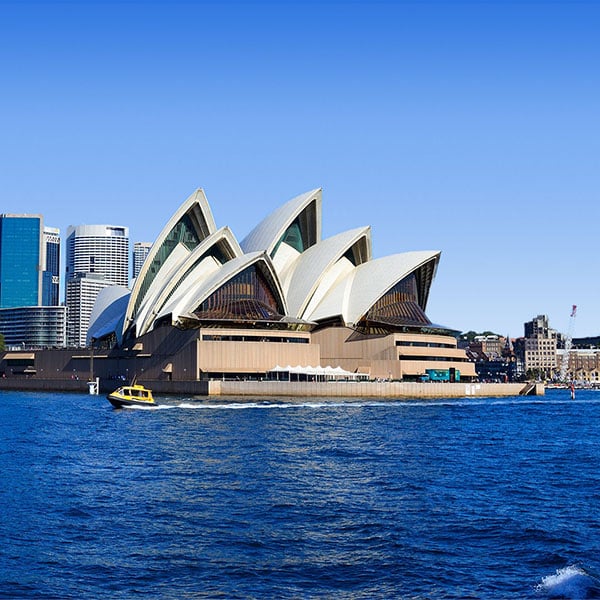
Perth
Flights from Perthto Melbourne
264$
257$
Prime price per passenger
Sydney
Flights from Sydneyto Melbourne
418$
403$
Prime price per passenger
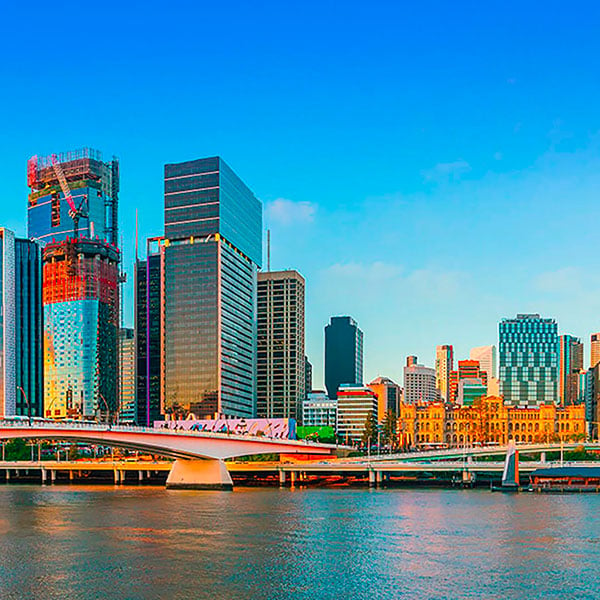
Brisbane
Flights from Brisbaneto Melbourne
253$
244$
Prime price per passenger
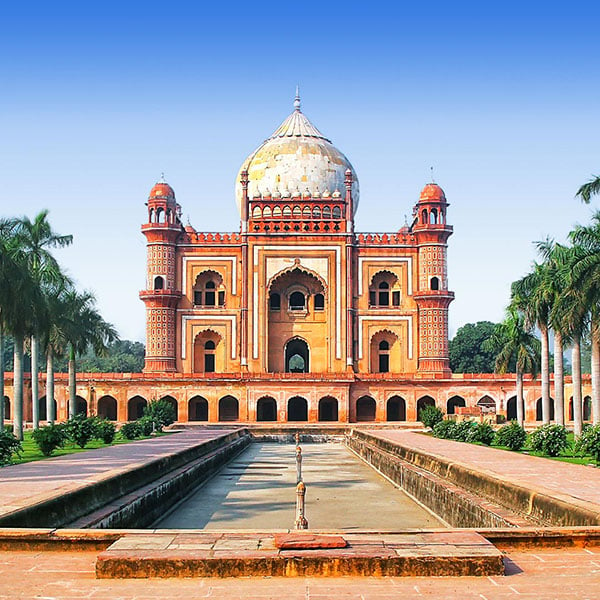
Delhi
Flights from Delhito Melbourne
637$
623$
Prime price per passenger
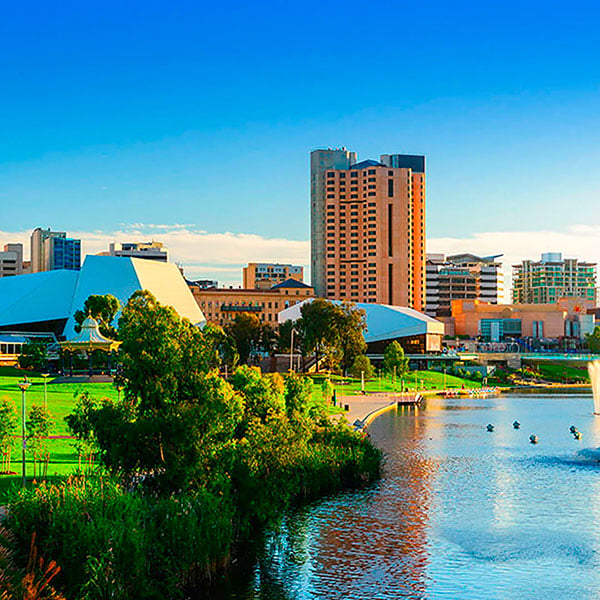
Adelaide
Flights from Adelaideto Melbourne
189$
174$
Prime price per passenger
Mumbai
Flights from Mumbaito Melbourne
727$
703$
Prime price per passenger

How long’s the flight to Melbourne?

If you’re looking to fly to Melbourne, we at Opodo have checked the most popular routes to help you plan your trip. From Adelaide, the flight takes roughly 1h 19m; from Sydney, around 1h 35m; and from Gold Coast - Coolangatta, about 2h 30m.
Flight Time (in hours)
AdelaideSydneyGold Coast - CoolangattaBrisbanePerth
0h 1h 2h 3h 4h
1h 19m
1h 35m
2h 30m
2h 31m
3h 47m

How much does a flight to Melbourne cost?

At Opodo you can find flights from Adelaide to Melbourne starting from $60, with an average price of $116. If you depart from other cities such as Sydney, you can find tickets from $70, and from Launceston starting from $77, according to data from the last 72 hours.
Filter by
AdelaideSydneyLauncestonGold Coast - CoolangattaHobart
$116
$115
$136
$126
$134
AdelaideCheapest
Cheapest Price: $60
Cheapest
Average

Find cheap flights to Melbourne

Securing a journey to Melbourne places travellers in the heart of the state of Victoria, a coastal capital celebrated for its sophisticated urban planning and extensive parklands. The city functions as a primary link to the southern coast, where a temperate climate and a grid-based city centre facilitate easy navigation for both interstate and overseas arrivals.

The city’s architectural identity is defined by a blend of Victorian heritage and bold modernism, best observed at Federation Square or along the winding paths of the Royal Botanic Gardens Victoria. Cultural discovery continues through the intricate murals of Hosier Lane and the historic stalls of the Queen Victoria Market, which has operated as a central trading hub since 1878.

Visitors often find the atmosphere is shaped by a deep-seated appreciation for the arts, world-class coffee culture, and a calendar filled with international sporting events. Whether exploring the hidden laneway bars or visiting the National Gallery of Victoria, the city maintains a reputation for being an accessible and intellectually stimulating destination for every type of traveller.

When to visit Melbourne: peak seasons and quiet spells

High season in the coastal capital

The peak period arrives with the warm embrace of summer from December to February, when temperatures frequently climb above 25°C and the city pulses with an infectious energy. Upon landing at Melbourne Airport (MEL), visitors are met with clear skies and a lifestyle that revolves almost entirely around the outdoors, from rooftop gatherings to breezy afternoons by the Yarra River. This season is defined by its long, sun-drenched days and a calendar packed with world-class events, including the Australian Open in January, with the Formula 1 Australian Grand Prix following in March, just after the peak summer months, drawing global crowds to the city’s parks and stadiums.

Life during these months is lively and fast-paced, as locals and travellers alike flock to the beaches of St Kilda or explore the shaded, bluestone laneways. The atmosphere is celebratory, with open-air cinemas and twilight markets transforming public spaces into social hubs that stay active well into the balmy nights. While the heat can occasionally peak above 35°C, the cooling sea breezes provide a refreshing reprieve, making it the ideal time for those who wish to experience the city at its most energetic and sun-soaked.

Low season and the winter chill

As the city moves into the cooler months of June to August, the pace shifts to a more intimate and atmospheric rhythm. Winter temperatures typically hover between 6°C and 15°C, often accompanied by the city’s famous unpredictable weather patterns and crisp, misty mornings. Arriving during this time offers a different perspective, where the focus moves from the bright coastline to the warmth of the city’s renowned indoor spaces, such as the National Gallery of Victoria or the hidden underground bars that define the urban character.

The low season is the best moment to embrace the local obsession with coffee and culture, as the streets take on a moody, cinematic quality under grey skies. Darker evenings are brightened by glowing installations during festivals like RISING, while the roar of the crowd at the Melbourne Cricket Ground for winter sports remains a staple of the social fabric. For many, this period captures the true soul of the city, offering a sophisticated, cosy experience that rewards those who enjoy layering up to explore the rich arts scene and historic architecture.

Transport to and from Melbourne Airport

The primary gateway to the Victorian capital consists of two distinct commercial hubs, making a flight to Melbourne one of the easiest connections to secure in the Asia-Pacific region. While one facility handles the vast majority of international and domestic traffic, a secondary airfield serves as a vital base for low-cost carriers and regional connections.

Melbourne Airport (MEL)

Commonly known as Tullamarine Airport, Melbourne Airport (MEL) is the primary international hub serving the city and is located approximately 23 km north-west of the city centre. As the second busiest airport in the country, it operates as a major base for Qantas, Virgin Australia, and Jetstar, featuring four terminals that manage a comprehensive network of global and domestic flights to Melbourne. The airport is unique among major Australian hubs for its 24-hour operation, as it lacks a night-time curfew, allowing for consistent arrivals and departures throughout the night.

Upon clearing arrivals, the most frequent transit option is the SkyBus, an express shuttle service that runs 24 hours a day to Southern Cross Station. The journey typically takes between 30 and 45 minutes depending on traffic conditions, delivering passengers directly to the western edge of the Melbourne CBD. For those seeking a direct door-to-door service, taxis and ride-hailing zones are clearly marked outside all terminals, with travel times to central districts usually ranging from 25 to 50 minutes. While there is no direct rail link, public Bus Route 901 connects the airport to Broadmeadows Station, where travellers can transfer to the metropolitan train network.

Avalon Airport (AVV)

Located roughly 55 km south-west of the city centre, Avalon Airport (AVV) serves as a secondary gateway, primarily catering to budget-conscious travellers and regional movements. Situated near the city of Geelong, this single-terminal facility is frequently utilised by Jetstar for domestic routes and occasionally hosts international services to South-east Asia. Because of its smaller scale and streamlined layout, the airport often provides a faster transition from the aircraft to ground transport compared to larger international hubs.

Travellers landing here can board the Avalon City Express operated by SkyBus, which is timed to meet arriving flights and travels to Southern Cross Station. This trip generally takes about 50 to 70 minutes to reach the heart of the city. Alternatively, the same shuttle service provides a connection to Geelong, making it a practical choice for those heading towards the Great Ocean Road. Taxis and rental cars are also available on-site, providing flexibility for the drive into Melbourne via the Princes Freeway.

Top things to do in Melbourne

From laneway espresso bars to bluestone arcades and the Yarra promenade, Melbourne rewards travellers who explore on foot.

  • Federation Square serves as the city’s bold architectural heart, where geometric facades and open-air plazas host a rotating calendar of cultural festivals and digital art installations. It is a central meeting point where the modern energy of the city intersects with its deep appreciation for public gathering and creative expression.
  • Royal Botanic Gardens Victoria offers a sprawling 38-hectare sanctuary of tranquillity, featuring diverse plant collections and quiet ornamental lakes just moments from the urban centre. The gardens provide a sensory escape where visitors can wander through ancient rainforest flora or relax on manicured lawns under the shade of historic trees.
  • The Laneways and Arcades represent the true soul of the city, forming a labyrinth of narrow passages filled with world-class street art, hole-in-the-wall espresso bars, and independent boutiques. Exploring these hidden veins, such as Hosier Lane or the Block Arcade, reveals an intimate side of the city that rewards those who choose to wander without a map.
  • Southbank and the Yarra River promenade come alive at dusk, offering a front-row seat to the shimmering skyline and the rhythmic pulse of the city’s nightlife. The waterfront is lined with high-end galleries and open-air terraces, creating a sophisticated atmosphere that reflects the city’s love for fine dining and riverside socialising.
  • Queen Victoria Market has been trading on the same site since the late 1870s, serving as a bustling hub for fresh seasonal produce, artisanal crafts, and multicultural street food. The open-air sheds and grand deli halls capture the diverse culinary heritage that defines the local palate, making it an essential stop for any epicurean traveller.
  • St Kilda Foreshore brings a coastal charm to the city experience, where the famous Luna Park entrance and the historic St Kilda Pier overlook the calm waters of Port Phillip Bay. It is a place where the sunset draws crowds to the sandy beach and the nearby botanical gardens for a relaxed, bohemian end to the day.

Plan your trip to Melbourne now

Securing a seat to Melbourne is the first step towards exploring Australia’s cultural capital. To find the most versatile travel options, try booking your journey well ahead of time and comparing different departure dates to capture the best value. Frequent flyers might also find that joining Opodo Prime adds a seamless layer of convenience to the discovery process, offering tailored benefits that make the path to Melbourne Airport even smoother.

FAQ's about Melbourne

How can I find cheap flights to Melbourne at Opodo?
At Opodo you can find flights from $106 to Melbourne. Our offers are the result of a combination of different technologies, machine learning algorithms and real searches form our customers in our platform, so you can get the options that better suits your needs when flying to Melbourne.
When's the best time to go to Melbourne?
We checked our customers' flight searches, and the winner of best time to fly to Melbourne is... April.
The next best month to travel to Melbourne is March.
And let's not forget February, the third top choice for when to go to Melbourne.
However if you prefer things on the less busy side, we can also tell you (quietly) that the least popular month for flights to Melbourne is November.
What are the cheapest airlines flying to Melbourne?

Looking at the prices of our customers' bookings from Australia to Melbourne, your best bet for cheap flights is:

  • Jetstar: average one-way price of $314.54 , with Launceston to Melbourne an average of $228.07 and Adelaide from $232.41.
  • Virgin Australia (one-way average: $444.51) : this includes an average price from Launceston to Melbourne of $212.42 and also flights from Hobart costing $241.65.
Which airlines fly to Melbourne from Australia?

Airlines flying direct from Australia to Melbourne include:

  • Jetstar, which flies from Sydney and Perth to Melbourne plus from Adelaide.
  • Virgin Australia, which has flights from Sydney and Brisbane as well as Adelaide to Melbourne.
  • Batik Air Malaysia, with flights from Gold Coast - Coolangatta to Melbourne and Sydney and also from Darwin.

Indirect flights from the Australia to Melbourne include:

  • Etihad Airways, which flies from Amritsar and Hyderabad and also from Colombo.
  • Air Asia X, with flights from Delhi and Ahmedabad to Melbourne plus Hyderabad.
  • Scoot, which has flights from Delhi and Karachi as well as from Lahore to Melbourne.
How many airports are there in Melbourne and which is the main one?
Melbourne has 2 airport. Melbourne Airport operates flights to domestic and international destinations to 93 cities. Some of the most popular destinations are Sydney, Brisbane and Adelaide.
What is the weather like in Melbourne?
If you're looking for summer vibes, the best time to travel to Melbourne is in February, January and March, when the average temperature reaches 26º, while January, March and February are the 3 sunniest months of the year, with an average of 22 hours. If you prefer colder temperatures, however, make sure you visit Melbourne during the months of July, August and June to experience an average of 8º. For those who don't care too much about temperatures, but want to avoid getting wet in the rain, it's important to avoid travelling during December, November and October, when the average precipitation in Melbourne is 62mm, while the months of February, March and July are drier, with an average of 42mm.

Plan your trip

Other popular routes to explorePopular CitiesPopular Flight Routes