Book cheap flights to Tokyo

Explore the best deals

Discover the cheapest flights to Tokyo

Filter by
The prices shown on this page were available within the last 20 days for the specified periods and should not be considered the final price offered. Please note that availability and prices are subject to change.

Popular flight routes to Tokyo
Sydney
Flights from Sydneyto Tokyo
719$
699$
Prime price per passenger
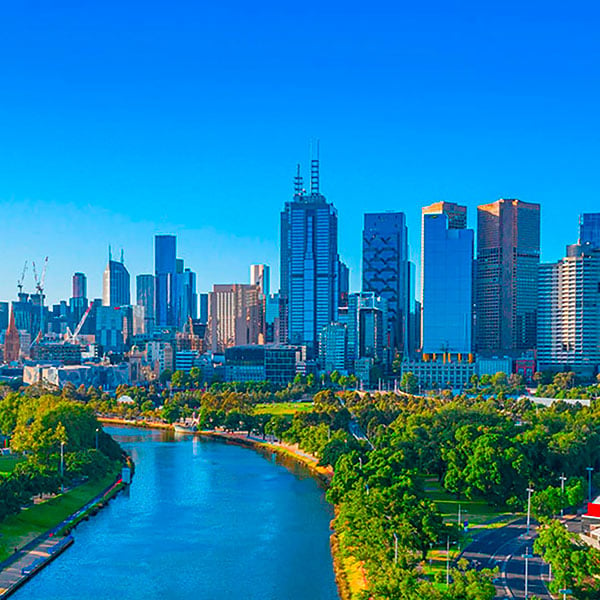
Melbourne
Flights from Melbourneto Tokyo
803$
795$
Prime price per passenger
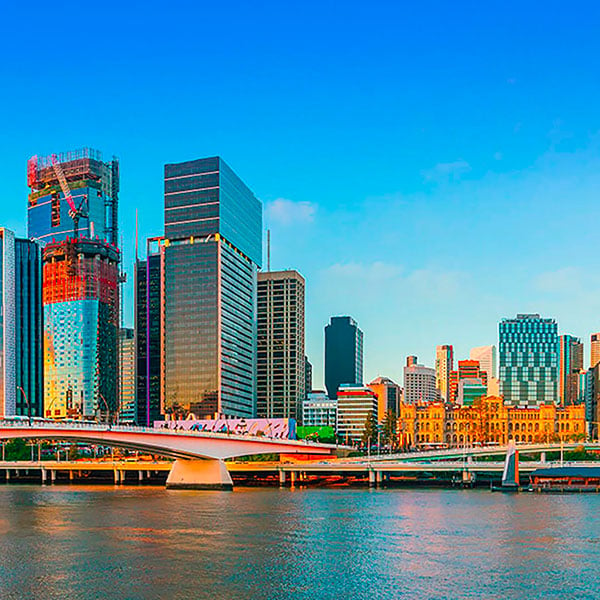
Brisbane
Flights from Brisbaneto Tokyo
554$
535$
Prime price per passenger
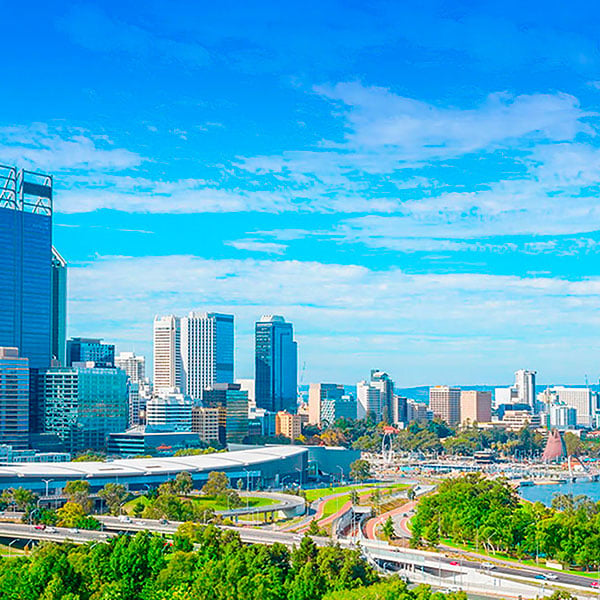
Perth
Flights from Perthto Tokyo
470$
454$
Prime price per passenger
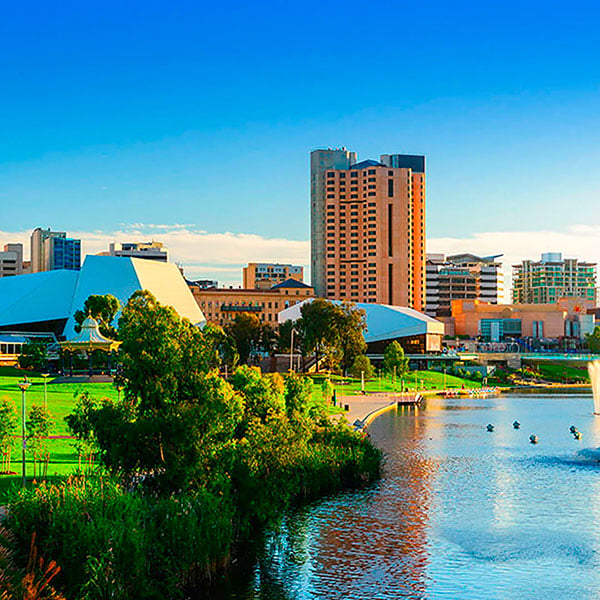
Adelaide
Flights from Adelaideto Tokyo
616$
582$
Prime price per passenger
Cairns
Flights from Cairnsto Tokyo
627$
602$
Prime price per passenger

How long’s the flight to Tokyo?

If you’re looking to fly to Tokyo, we at Opodo have checked the most popular routes to help you plan your trip. From Brisbane, the flight takes roughly 10h 10m; from Perth, around 12h 44m; and from Adelaide, about 13h 55m.
Flight Time (in hours)
BrisbanePerthAdelaideMelbourneSydney
0h 5h 10h 15h
10h 10m
12h 44m
13h 55m
14h 11m
14h 19m

How much does a flight to Tokyo cost?

At Opodo you can find flights from Brisbane to Tokyo starting from $367, with an average price of $770. If you depart from other cities such as Cairns, you can find tickets from $370, and from Melbourne starting from $436, according to data from the last 72 hours.
Filter by
BrisbaneCairnsMelbournePerthSydney
$770
$1,264
$911
$846
$1,136
BrisbaneCheapest
Cheapest Price: $367
Cheapest
Average

Find cheap flights to Tokyo

Tokyo stands as a sprawling metropolis where futuristic innovation meets deeply rooted traditions, acting as a major point of entry for international discovery in the region. This expansive urban landscape functions as one of East Asia’s key economic and cultural hubs, drawing travellers into a world defined by its immense scale and meticulous organisation.

The city’s identity is anchored by famous landmarks such as the Imperial Palace, which provides a serene contrast to the neon-lit energy of the Shibuya Crossing. Cultural depth is found within the historic grounds of Senso-ji Temple in Asakusa, while the towering Tokyo Skytree offers a modern architectural perspective over the horizon. Exploring the diverse districts of Ginza and Ueno reveals a rich variety of high-end design and significant museum collections.

Visitors are often struck by the seamless harmony between the high-speed pace of modern life and the quiet dignity of ancient shrines. This unique character makes the destination a premier choice for those seeking world-class cuisine, avant-garde fashion, and profound historical insights. Each journey through the city offers a different facet of its complex and captivating personality.

When to visit Tokyo: peak seasons and quiet spells

High season in Tokyo: vibrant energy

Spring and autumn are when Tokyo is at its busiest, with daytime temperatures easing into a comfortable 14°C to 22°C and a distinct shift in the city’s aesthetic. When the cherry blossoms emerge in late March, the urban landscape softens into shades of pink, drawing residents and international arrivals into sprawling green spaces like Ueno Park. The mood is unhurried and companionable, as the local pace slows for traditional hanami picnics under the blooms. Visitors landing during these months find a city that is exceptionally photogenic and bustling with outdoor cultural festivals.

As the humidity of summer fades into October and November, the high season returns with the vivid hues of autumn foliage. The air becomes crisp and clear, offering the best visibility for those hoping to spot Mount Fuji from the city’s many observation decks. The lifestyle shifts towards walking tours through historic districts and exploring the manicured gardens of the Imperial Palace. While the city is at its most crowded during these windows, the reliable weather and the sheer beauty of the changing seasons create a quintessential experience that defines the regional identity.

The quiet allure of the low season

The low season in Tokyo typically spans the cold winter months of January and February and the peak heat of mid-summer. Winter brings dry, sunny days with temperatures often hovering around 2°C to 10°C, resulting in a much quieter urban environment. The frenetic energy of the central wards settles into a calm, focused rhythm, and the lack of crowds allows for a more intimate exploration of indoor landmarks and museums. Travellers arriving in winter encounter a city illuminated by elaborate light displays, providing a sharp, glittering contrast to the dark winter evenings.

In contrast, the summer low season is characterised by high humidity and temperatures frequently exceeding 30°C. The city adapts with an array of seasonal traditions, such as vibrant firework festivals along the Sumida River and the appearance of wind chimes in temple precincts. While the heat dictates a slower physical pace, the social atmosphere remains lively with evening street markets and seasonal culinary specialities. Navigating the city during these months offers a raw, authentic look at how this metropolis thrives under extreme conditions, rewarding those who prefer a less conventional travel schedule.

Transport to and from Tokyo Airport

Anyone booking a flight to Tokyo lands at one of two very different airports, both offering seamless connections between the clouds and the neon-lit streets of the Japanese capital. While one sits within the urban sprawl and the other occupies a coastal position further afield, both facilities provide world-class infrastructure for international and domestic travellers.

Tokyo Haneda Airport (HND)

Commonly referred to as Haneda, Tokyo International Airport (HND) is located approximately 15 km south of Tokyo Station in Ota City. As the busiest airport in the country, it serves as a massive hub for Japan Airlines and All Nippon Airways, operating across three modern terminals. While historically a domestic specialist, it now handles a vast array of long-haul international routes, making it a preferred arrival point for those seeking the shortest possible commute into the city centre.

After clearing customs, travellers can board the Tokyo Monorail for a scenic 15-minute journey to Hamamatsucho Station, where connections to the JR Yamanote Line are available. Alternatively, the Keikyu Railway provides direct services to Shinagawa Station in roughly 11 minutes, offering a strategic entry point for those staying in the southern or western districts. A network of Airport Limousine Buses also operates frequently, delivering passengers directly to major hotels and transport hubs like Shinjuku Station and Shibuya in about 30–60 minutes depending on traffic.

Narita International Airport (NRT)

Situated roughly 60 km east of the metropolitan centre in Chiba Prefecture, Narita International Airport (NRT) serves as the primary international gateway for long-haul flights to Tokyo. The airport consists of three terminals and acts as a major base for both full-service carriers and several low-cost airlines. Despite its distance from the city, its sophisticated rail links ensure that the transition from the arrivals hall to the heart of the capital is efficient and comfortable.

The most popular transit method for international arrivals is the Narita Express (N’EX), a dedicated rail service that reaches Tokyo Station in approximately 55 minutes and continues to other key hubs like Shinjuku and Ikebukuro. Another high-speed option is the Keisei Skyliner, which connects the airport to Ueno Station in about 40 minutes via the Nippori interchange. For those carrying heavy luggage or heading to specific hotels, the Airport Limousine Bus offers a convenient door-to-door service, typically taking between 60 and 90 minutes to reach central districts.

Top things to do in Tokyo

Essential experiences in the capital

  • Senso-ji stands as the spiritual heart of the city, where the scent of burning incense and the sight of the massive red Kaminarimon Gate transport visitors back to the 7th century. This ancient Buddhist temple in Asakusa provides a profound sense of historical continuity amidst the surrounding modern sprawl.
  • Shibuya Crossing offers an electrifying introduction to the city’s famous energy, serving as a choreographed spectacle of humanity where thousands of people traverse the intersection simultaneously under the glow of towering digital screens. It is the definitive pulse of the city, capturing the organised chaos that defines the local lifestyle.
  • Meiji Jingu provides a serene contrast to the urban rush, located within a lush forest of over 100,000 trees that creates a tranquil sanctuary dedicated to Emperor Meiji. Walking through the towering cypress Torii gates offers a moment of quiet reflection and a connection to the city’s imperial heritage.
  • Akihabara is a sensory explosion of subculture and technology, world-renowned as the centre for electronics, gaming, and anime. The district’s multi-storey department stores and lively street life showcase the unique creative energy and technological obsession that fuel global pop culture.
  • Shinjuku Gyoen National Garden blends traditional Japanese, English, and French landscaping styles, offering a vast emerald retreat that changes dramatically with the seasons. Whether during the cherry blossom season or the fiery transformation of autumn, these gardens provide a sophisticated escape within the shadows of the Shinjuku skyscrapers.
  • Tsukiji Outer Market remains a cornerstone of the local culinary identity, where the narrow alleys are packed with stalls offering incredibly fresh seafood and traditional kitchenware. It is a place to witness the city’s dedication to gastronomic precision and the active trade that sustains its world-class food scene.

Plan your trip to Tokyo now

Locking in your flight to Tokyo sets the scene for an unforgettable stretch of days in a capital that never quite slows down. Hold your travel dates loosely, put your flights on the books well ahead of time, and you can readily sift through the best options available through Opodo. For those who find themselves drawn back to the neon lights and quiet temples of this metropolis again and again, an Opodo Prime membership stacks up extra savings and benefits on every flight you take.

FAQ's about Tokyo

How can I find cheap flights to Tokyo at Opodo?
At Opodo you can find flights from $62 to Tokyo. Our offers are the result of a combination of different technologies, machine learning algorithms and real searches form our customers in our platform, so you can get the options that better suits your needs when flying to Tokyo.
When's the best time to go to Tokyo?
We checked our customers' flight searches, and the winner of best time to fly to Tokyo is... April.
The next best month to travel to Tokyo is March.
And let's not forget February, the third top choice for when to go to Tokyo.
However if you prefer things on the less busy side, we can also tell you (quietly) that the least popular month for flights to Tokyo is November.
What are the cheapest airlines flying to Tokyo?

Looking at the prices of our customers' bookings from Australia to Tokyo, your best bet for cheap flights is:

  • Shenzhen Airlines: average one-way price of $763.92 , with Melbourne to Tokyo an average of $763.92 and Melbourne from $2183.
  • Sichuan Airlines (one-way average: $992.25) : this includes an average price from Melbourne to Tokyo of $1,419.22 and also flights from Sydney costing $2,939.97.
  • Hainan Airlines: average cost for one-way was $1,056.64 , with Melbourne to Tokyo flights costing an average of $1,184.87 and the price tag from Sydney being $2,027.97.
Which airlines fly to Tokyo from Australia?

Airlines flying direct from Australia to Tokyo include:

  • Japan Airlines, which flies from Brisbane and Cairns to Tokyo plus from Melbourne.
  • AirAsia Zest, which has flights from Sydney and Perth as well as Shanghai to Tokyo.
  • Peach Aviation, with flights from Hong Kong to Tokyo and Sydney and also from Melbourne.

Indirect flights from the Australia to Tokyo include:

  • Air China, which flies from Sydney and Melbourne and also from Perth.
  • Emirates, with flights from Sydney and Brisbane to Tokyo plus Melbourne.
  • Scoot, which has flights from Sydney and Melbourne as well as from Denpasar-Bali to Tokyo.
What is the weather like in Tokyo?
If you're looking for summer vibes, the best time to travel to Tokyo is in August, July and September, when the average temperature reaches 30º, while January, December and August are the 3 sunniest months of the year, with an average of 25 hours. If you prefer colder temperatures, however, make sure you visit Tokyo during the months of January, February and December to experience an average of 2º. For those who don't care too much about temperatures, but want to avoid getting wet in the rain, it's important to avoid travelling during October, September and June, when the average precipitation in Tokyo is 209mm, while the months of February, December and January are drier, with an average of 58mm.

Plan your trip

Other popular routes to explorePopular CitiesPopular Flight Routes