Book cheap flights to Mexico City

Explore the best deals

Discover the cheapest flights to Mexico City

Filter by
The prices shown on this page were available within the last 20 days for the specified periods and should not be considered the final price offered. Please note that availability and prices are subject to change.

Popular flight routes to Mexico City
Melbourne
Flights from Melbourneto Mexico City
1720$
1656$
Prime price per passenger
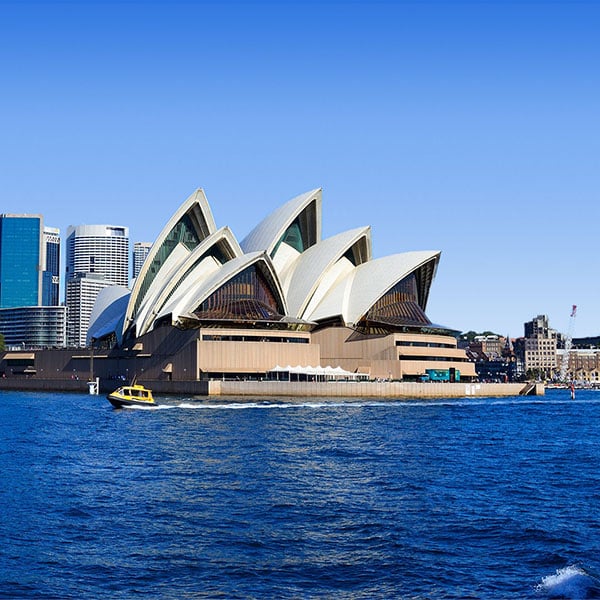
Sydney
Flights from Sydneyto Mexico City
1309$
1272$
Prime price per passenger
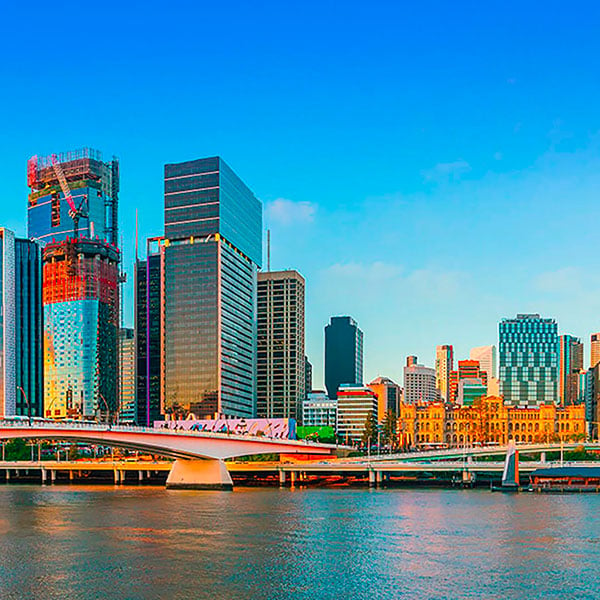
Brisbane
Flights from Brisbaneto Mexico City
1959$
1859$
Prime price per passenger
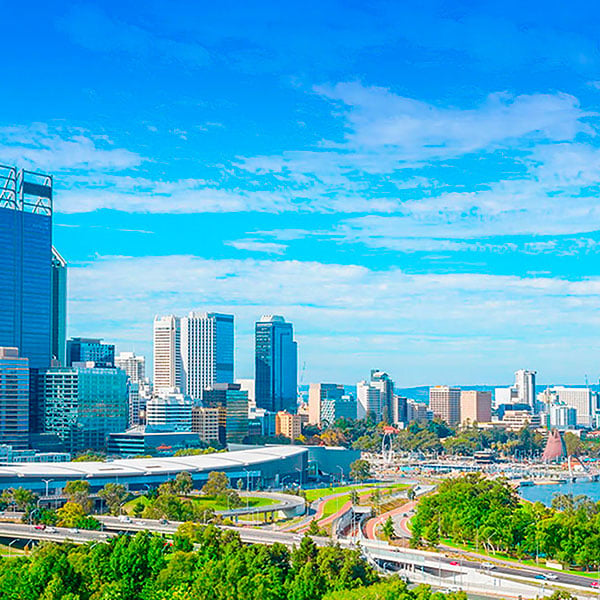
Perth
Flights from Perthto Mexico City
1911$
1815$
Prime price per passenger
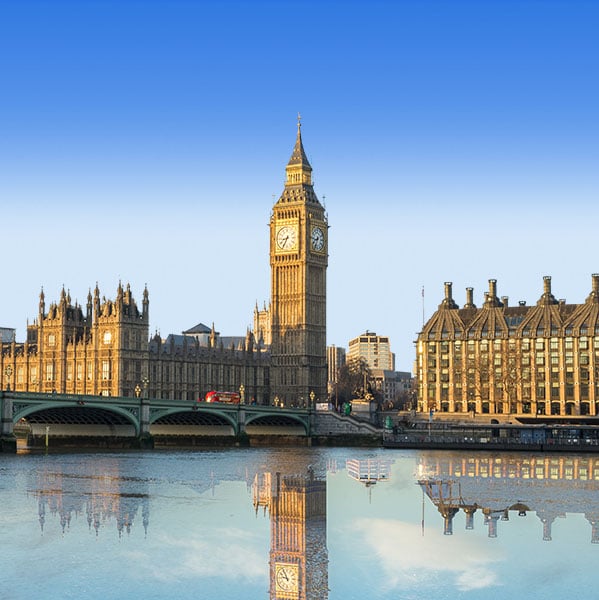
London
Flights from Londonto Mexico City
989$
938$
Prime price per passenger
Tokyo
Flights from Tokyoto Mexico City
1225$
1174$
Prime price per passenger

How long’s the flight to Mexico City?

If you’re looking to fly to Mexico City, we at Opodo have checked the most popular routes to help you plan your trip. From Burnie, the flight takes roughly 19h 27m; from Brisbane, around 22h 23m; and from Sydney, about 22h 58m.
Flight Time (in hours)
BurnieBrisbaneSydneyPerthMelbourne
0h 5h 10h 15h 20h 25h
19h 27m
22h 23m
22h 58m
23h 28m
23h 53m

How much does a flight to Mexico City cost?

At Opodo you can find flights from Melbourne to Mexico City starting from $753, with an average price of $1,801. If you depart from other cities such as Sydney, you can find tickets from $771, and from Brisbane starting from $804, according to data from the last 72 hours.
Filter by
MelbourneSydneyBrisbanePerthCanberra
$1,801
$2,932
$1,341
$2,252
$1,721
MelbourneCheapest
Cheapest Price: $753
Cheapest
Average

Find cheap flights to Mexico City

The sprawling high-altitude metropolis of Mexico City serves as the primary gateway for international travellers venturing into the central highlands. As one of the most significant urban hubs in the Western Hemisphere, this destination provides a seamless introduction to a region where ancient foundations coexist with modern expansion.

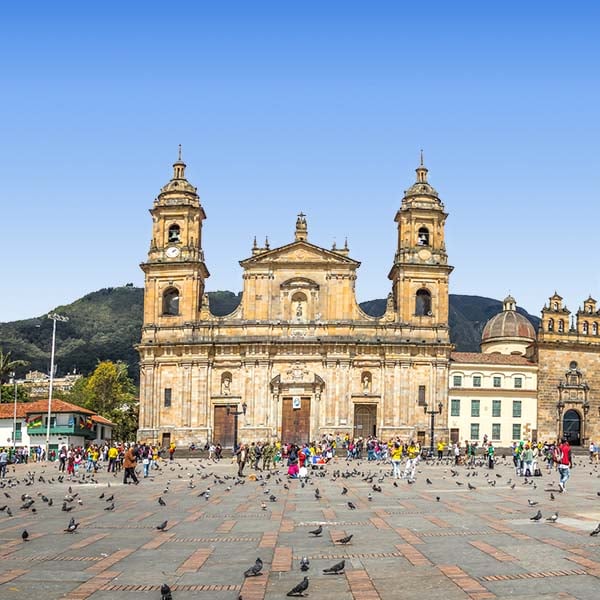
Walking through the historic core reveals the Zócalo, a massive public square surrounded by the Catedral Metropolitana and the ruins of the Templo Mayor. The city’s architectural diversity continues along the Paseo de la Reforma, leading towards the lush grounds of Chapultepec Castle and the modernist design of the Palacio de Bellas Artes.

A journey here offers a profound encounter with layered history, from pre-Hispanic roots to a dynamic contemporary arts scene. Visitors often find that the city’s character is defined by its world-class museums and a culinary landscape that remains a cornerstone of global gastronomic heritage.

When to visit Mexico City: peak seasons and quiet spells

Peak-season buzz in Mexico City

From October through to April, the city enters its most popular period as the heavy summer rains depart and the skies clear. During these months, the altitude provides a crisp, temperate climate with daytime highs typically reaching 22°C to 26°C, making it the ideal window for exploring the sprawling outdoor plazas and ancient ruins. Travellers arriving at Benito Juárez International Airport during this window are often greeted by bright sunshine and a festive atmosphere that permeates every neighbourhood from Reforma to Coyoacán.

Cultural life reaches a peak during this season, anchored by the world-renowned Day of the Dead celebrations in early November. The streets are transformed by marigold displays and public altars, while the pace of the city feels both celebratory and bustling. Visitors can enjoy long afternoons in Chapultepec Park or alfresco dining without the interruption of afternoon downpours, experiencing the capital at its most manicured and socially active.

The lush atmosphere of the low season

The arrival of the rainy season in May, lasting until September, brings a dramatic shift to the landscape as the surrounding volcanic valley turns a deep, vibrant green. While mornings are usually sunny and warm, predictable afternoon thunderstorms become a daily rhythm, cooling the air and washing the city streets. This period offers a more relaxed, local perspective of the metropolis, as the crowds at major landmarks like the Palacio de Bellas Artes tend to thin out significantly.

Life moves indoors during the late afternoon, encouraging a deeper exploration of the city’s extensive network of world-class museums and galleries. The rain rarely lasts all day, often clearing by evening to leave the air fresh and the temperatures mild for night-time activities. Those landing during these months will notice the dramatic, verdant scenery of the Valley of Mexico from the aircraft window, highlighting a side of the city’s natural beauty that remains hidden during the drier months.

Transport to and from Mexico City Airport

The air landscape surrounding Mexico City is defined by one of the busiest facilities in Latin America and a newer secondary gateway designed to alleviate congestion. Travellers booking a flight to Mexico City will typically arrive at the long-standing central airport, though an increasing number of domestic and international services now utilise the modern facility located to the north of the metropolitan area.

Benito Juárez International Airport (MEX)

Located just 5 km east of the Historic Centre, the Benito Juárez International Airport (MEX) serves as the primary gateway for the majority of international and domestic flights to Mexico City. As the main hub for Aeroméxico and a major base for Volaris, the airport operates with two distinct terminals connected by the Aerotren monorail. It handles a massive volume of traffic, offering direct connections to major cities across the Americas, Europe, and Asia.

Upon exiting the arrivals hall, the most efficient public transport option is the Metrobus Line 4, which features dedicated luggage space and travels directly to Buenavista Station and the Historic Centre in approximately 30 to 45 minutes. For those preferring the underground, the Metro Line 5 serves the Terminal Aérea Station adjacent to Terminal 1, though this route often requires transfers to reach the central hotel districts. Authorised Taxis and ride-hailing services are readily available at designated zones outside both terminals, providing a door-to-door journey to Paseo de la Reforma or Polanco that typically takes 20 to 50 minutes depending on the city’s notorious traffic conditions.

Felipe Ángeles International Airport (NLU)

The Felipe Ángeles International Airport (NLU) is a recently developed facility situated approximately 45 km north of the city centre within the Santa Lucía air force base precinct. This airport was designed to complement the existing infrastructure, hosting a mix of low-cost domestic carriers and a growing selection of international routes. The terminal is noted for its modern architecture and spacious layout, providing a less crowded alternative for travellers entering the Valley of Mexico.

Reaching the central districts from this northern gateway requires a longer transit time, usually ranging between 60 and 90 minutes. The Suburban Railway (Tren Suburbano) extension is the primary rail link, connecting the airport directly to Buenavista Station in the heart of the city. Additionally, several official shuttle buses and motorcoaches operate frequent services to major transport nodes such as the Terminal del Sur and Terminal del Norte bus stations. While ride-hailing apps and taxis are available, travellers should account for the significant distance when planning their arrival into neighbourhoods like Roma Norte or Condesa.

Top things to do in Mexico City

Descending into the sprawling valley where Mexico City sits, the view from the window reveals a tapestry of volcanic peaks and endless urban energy that immediately signals a shift in pace. Once you touch down and leave the terminal behind, the thin mountain air and the smoky sizzle of tacos al pastor introduce a capital that wears its rich past and dynamic present on its sleeve.

  • Zócalo: This massive central plaza serves as the city’s beating heart, where the echoes of the ancient Aztec Templo Mayor meet the imposing colonial architecture of the Catedral Metropolitana (Metropolitan Cathedral).
  • Palacio de Bellas Artes: An architectural masterpiece defined by its white marble exterior and art deco interior, this cultural beacon hosts world-class folk ballet and opera beneath a glittering stained-glass curtain.
  • Chapultepec Park: Spanning over 686 hectares, this green lung of the city offers a serene escape where visitors can wander from the hilltop Chapultepec Castle to the world-renowned National Museum of Anthropology.
  • Coyoacán: The "Place of Coyotes" retains a bohemian, village-like atmosphere, characterised by cobblestone streets, bright bougainvillea, and the vivid blue walls of the Museo Frida Kahlo.
  • Xochimilco: A journey through these ancient canals on a colourful trajinera boat provides a sensory immersion into pre-Hispanic agricultural traditions accompanied by the floating melodies of mariachi bands.
  • Paseo de la Reforma: This grand boulevard, inspired by European capitals, showcases the Angel of Independence monument and serves as a sophisticated corridor connecting the historic centre to the sleek skyscrapers of the business district.
  • Roma and Condesa: These neighbouring districts are the soul of the city’s contemporary creative scene, filled with Art Nouveau mansions, lush pocket parks, and a high concentration of innovative galleries and coffee houses.
  • Basilica of Our Lady of Guadalupe: As one of the most visited pilgrimage sites in the world, this sanctuary offers a profound look into the spiritual identity and deep-rooted traditions that define the local culture.

Plan your trip to Mexico City now

Little rivals the moment you step aboard bound for the high-altitude sprawl of Mexico City, so securing your seat early is the best way to ensure a seamless start to your journey. Allowing some slack in your dates and taking a look at what Opodo Prime offers will add value to every flight you book. Whether you are flying across the continent or arriving from further afield, these simple habits help you focus on the excitement of the destination rather than the logistics of the airfare.

FAQ's about Mexico City

How can I find cheap flights to Mexico City at Opodo?
At Opodo you can find flights from $82 to Mexico City. Our offers are the result of a combination of different technologies, machine learning algorithms and real searches form our customers in our platform, so you can get the options that better suits your needs when flying to Mexico City.
When's the best time to go to Mexico City?
We checked our customers' flight searches, and the winner of best time to fly to Mexico City is... April.
The next best month to travel to Mexico City is March.
And let's not forget February, the third top choice for when to go to Mexico City.
However if you prefer things on the less busy side, we can also tell you (quietly) that the least popular month for flights to Mexico City is November.
What are the cheapest airlines flying to Mexico City?

Looking at the prices of our customers' bookings from Australia to Mexico City, your best bet for cheap flights is:

  • Alaska Airlines: average one-way price of $2,232.83 , with Sydney to Mexico City an average of $2,232.83 and Melbourne from $2,497.36.
  • Fiji Airways (one-way average: $2,285.01) : this includes an average price from Brisbane to Mexico City of $1,452.99 and also flights from Adelaide costing $2,090.97.
  • Air China: average cost for one-way was $2,434.17 , with Melbourne to Mexico City flights costing an average of $2,434.17 and the price tag from Perth being $2,320.97.
Which airlines fly to Mexico City from Australia?

Airlines flying direct from Australia to Mexico City include:

  • Volaris, which flies from Tijuana and Los Angeles, CA to Mexico City plus from Dallas, TX.
  • Aeromexico, which has flights from Tijuana and Los Angeles, CA as well as Dallas, TX to Mexico City.
  • Euroairlines, with flights from Bogota to Mexico City and Las Vegas, NV and also from Los Angeles, CA.

Indirect flights from the Australia to Mexico City include:

  • Air Canada, which flies from Sydney and Melbourne and also from Perth.
  • Aeromexico, with flights from Sydney and Melbourne to Mexico City plus Bangkok.
  • Volaris, which has flights from Brisbane and Manila as well as from Newark, NJ to Mexico City.
What is the weather like in Mexico City?
If you're looking for summer vibes, the best time to travel to Mexico City is in April, May and March, when the average temperature reaches 26º, while January, December and March are the 3 sunniest months of the year, with an average of 28 hours. If you prefer colder temperatures, however, make sure you visit Mexico City during the months of January, December and February to experience an average of 7º. For those who don't care too much about temperatures, but want to avoid getting wet in the rain, it's important to avoid travelling during July, August and September, when the average precipitation in Mexico City is 163mm, while the months of February, December and March are drier, with an average of 7mm.

Plan your trip

Other popular routes to explorePopular CitiesPopular Flight Routes