Book cheap flights to Buenos Aires

Explore the best deals

Discover the cheapest flights to Buenos Aires

Filter by
The prices shown on this page were available within the last 20 days for the specified periods and should not be considered the final price offered. Please note that availability and prices are subject to change.

Popular flight routes to Buenos Aires
Sydney
Flights from Sydneyto Buenos Aires
3084$
2955$
Prime price per passenger
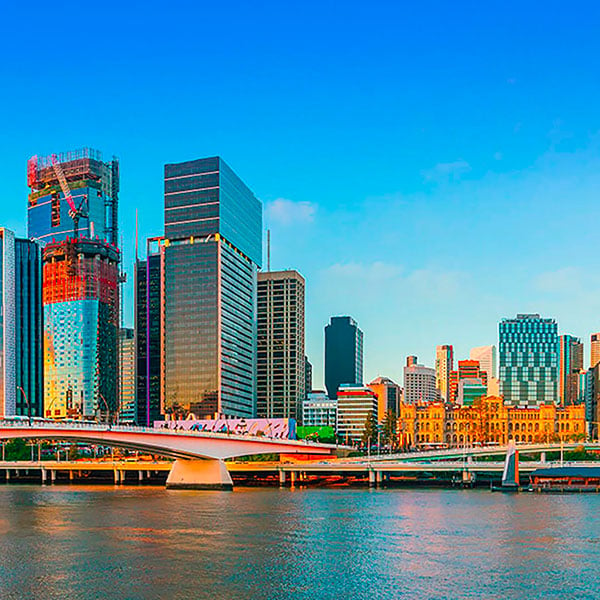
Brisbane
Flights from Brisbaneto Buenos Aires
2372$
2260$
Prime price per passenger
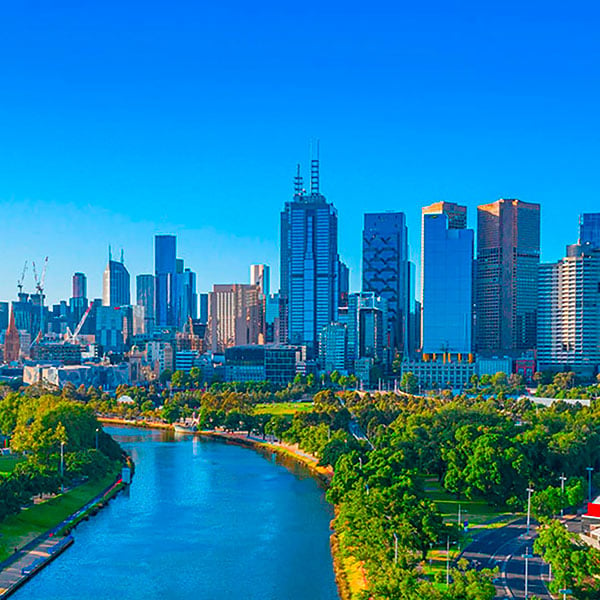
Melbourne
Flights from Melbourneto Buenos Aires
2231$
2134$
Prime price per passenger
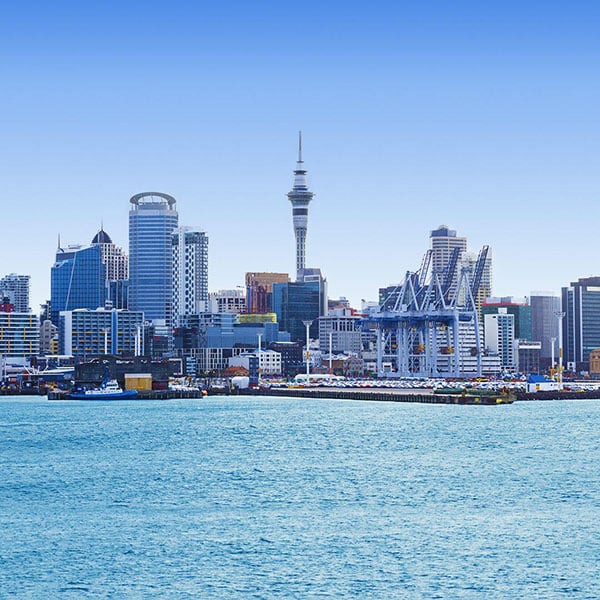
Auckland
Flights from Aucklandto Buenos Aires
2067$
1963$
Prime price per passenger
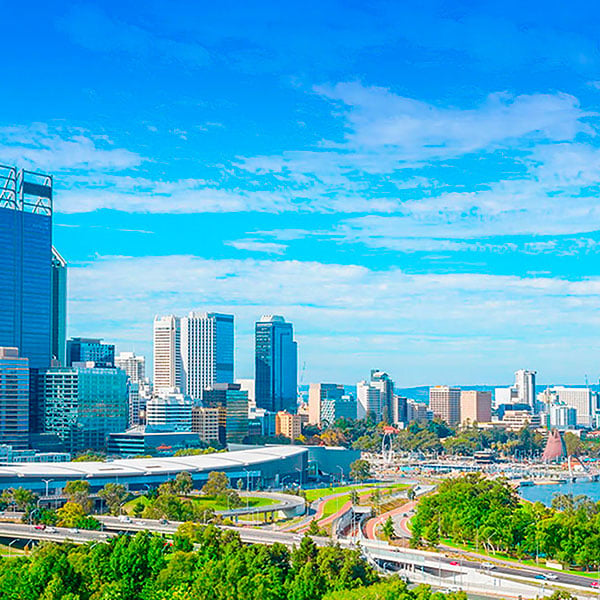
Perth
Flights from Perthto Buenos Aires
2361$
2245$
Prime price per passenger
Los Angeles, CA
Flights from Los Angeles, CAto Buenos Aires
611$
590$
Prime price per passenger

How long’s the flight to Buenos Aires?

If you’re looking to fly to Buenos Aires, we at Opodo have checked the most popular routes to help you plan your trip. From Sydney, the flight takes roughly 15h 27m; from Melbourne, around 16h 35m; and from Brisbane, about 16h 52m.
Flight Time (in hours)
SydneyMelbourneBrisbaneGold Coast - CoolangattaPerth
0h 5h 10h 15h 20h 25h
15h 27m
16h 35m
16h 52m
19h 20m
23h 2m

How much does a flight to Buenos Aires cost?

At Opodo you can find flights from Sydney to Buenos Aires starting from $1,652, with an average price of $2,556. If you depart from other cities such as Melbourne, you can find tickets from $1,701, and from Brisbane starting from $1,703, according to data from the last 72 hours.
Filter by
SydneyMelbourneBrisbaneAdelaideCairns
$2,556
$2,451
$3,054
$4,260
$2,162
SydneyCheapest
Cheapest Price: $1,652
Cheapest
Average

Find cheap flights to Buenos Aires

The sprawling capital of Buenos Aires serves as the primary gateway for international travellers venturing into the southern reaches of the continent. Located on the western shore of the Río de la Plata, this massive metropolitan hub combines a European architectural aesthetic with a distinctly Latin American energy, making it a pivotal destination for cultural discovery.

Visitors exploring the city encounter a rich blend of history within the colourful streets of La Boca and the grand, French-style palaces of Recoleta. Significant landmarks such as the towering Obelisco on Avenida 9 de Julio and the pink-hued Casa Rosada in Plaza de Mayo illustrate the political and social evolution of the region. The cobblestone alleys of San Telmo further provide a glimpse into the colonial past through preserved 19th-century structures and traditional markets.

The character of the city is defined by a deep-rooted passion for the arts, world-class cuisine, and the melancholic rhythm of the tango. Whether the purpose of the journey is to study its diverse architectural heritage or to navigate the sophisticated parks of Palermo, the city offers a multifaceted experience rooted in tradition and modern urban life.

When to visit Buenos Aires: peak seasons and quiet spells

The lively energy of Buenos Aires’ high season

Summer in Buenos Aires brings a surge of heat and a lively atmosphere that defines the city between December and February. As travellers land at Ministro Pistarini International Airport, they are met with a humid, subtropical climate where temperatures frequently climb above 30°C. This warmth dictates a slower pace during the midday sun, followed by a dramatic shift as the city awakens in the late evening, with locals filling outdoor seating areas until the early hours of the morning.

The cultural calendar peaks during these months, particularly as the city prepares for the rhythms of Carnival. While many residents head to the coast in January, those visiting during the high season enjoy a city that feels spacious yet festive, with purple jacaranda blossoms often lining the streets in the lead-up to summer. The long daylight hours are perfect for exploring the greenery of the Palermo Soho district or wandering through the open-air markets of San Telmo, where the sun-drenched plazas provide a quintessential backdrop to the city’s famous street tango.

The sophisticated charm of the low season

During the cooler months of June to August, the city settles into a more introspective and intellectual rhythm. The air turns crisp, with averages sitting around 12°C, creating a misty atmosphere that lends a European aesthetic to the grand architecture of Avenida de Mayo. Arriving during this period offers a different sensory experience, as the scent of roasting coffee and woodsmoke replaces the humid breeze of summer, and the city’s world-class theatre scene on Avenida Corrientes becomes the focal point of social life.

The low season is arguably the best time to experience the authentic indoor culture of the city, from the traditional Milongas to the historic literary cafes. August is particularly significant as it hosts the Buenos Aires Tango Festival and World Cup, drawing enthusiasts from across the globe to witness the world’s most prestigious dance competition. This season allows for a deeper connection with the local lifestyle, as the city’s parks remain lush and green, but the cooler weather encourages long, lingering afternoons spent inside grand libraries and art galleries.

Transport to and from Buenos Aires Airport

The air gateway to Buenos Aires is defined by a dual-airport system that separates long-haul international traffic from regional and domestic connections. Passengers on a flight to Buenos Aires will typically arrive at one of two distinct hubs, depending on their point of origin and airline choice.

Ministro Pistarini International Airport (EZE)

Commonly referred to as Ezeiza, the Ministro Pistarini International Airport (EZE) is situated approximately 22 km south-west of the city centre in the Ezeiza district. As the primary international gateway for Argentina, it serves as the main hub for Aerolíneas Argentinas and hosts the vast majority of long-haul carriers arriving from Europe, North America, and other continents. The airport features several interconnected terminals that manage a high volume of global traffic, providing the first point of contact for most overseas visitors.

Upon arrival, travellers can reach the city via the Tienda León shuttle bus, which offers a reliable service to its terminal in Puerto Madero with a journey time of roughly 45–60 minutes. Private transfers, including the chauffeur-driven cars known as remises, and official taxis are available at kiosks in the arrivals hall and provide direct door-to-door service to various districts such as Palermo or Recoleta. While public bus Line 8 connects the airport to Plaza de Mayo, it is often less practical for those with luggage as the transit time can exceed 2 hours.

Jorge Newbery Airfield (AEP)

Located remarkably close to the urban core, the Jorge Newbery Airfield (AEP)—frequently called Aeroparque—sits just 7 km from the city centre along the Río de la Plata waterfront. This airport primarily handles domestic flights to Buenos Aires and regional routes to neighbouring countries such as Brazil, Chile, and Uruguay. Its proximity to the main business and tourist districts makes it a highly convenient arrival point for those travelling within South America or connecting from other Argentine provinces.

Given its central location, the journey into the heart of Buenos Aires is exceptionally brief, often taking only 15–25 minutes by car. Travellers can easily find official taxis and ride-hailing services outside the terminal to reach nearby neighbourhoods like Retiro or the Microcentro. The ArBus shuttle and several local public bus lines, including Line 33, Line 37, and Line 45, provide frequent connections to major transport hubs such as Retiro Station, making it a straightforward transition for those heading deeper into the city.

Top things to do in Buenos Aires

The city offers a diverse range of attractions and experiences. As you enter the bustling streets, the air carries a mix of charcoal smoke from grills and the faint, rhythmic strains of music, signalling the start of an immersive urban exploration.

  • La Boca serves as a lively introduction to the city’s immigrant roots, where the brightly painted corrugated houses of Caminito reflect a history of creative resilience and artistic flair. Walking through this open-air museum, the spirit of the working class and the passion of local football culture are visible in every mural and cobblestone corner.
  • San Telmo offers a journey into the past, with its narrow streets and colonial architecture providing an atmospheric backdrop for the Sunday antique markets. It is here that the soul of the city feels most tangible, especially when spontaneous performances break out in the squares, showcasing the raw emotion of the region’s traditional dance.
  • Recoleta Cemetery is an architectural marvel that feels more like a miniature city of marble than a traditional burial ground, housing elaborate vaults and sculptures. Visitors wander through this silent labyrinth to find the final resting place of Eva Perón, gaining a deeper understanding of the figures who shaped the nation’s complex identity.
  • Teatro Colón stands as a testament to the city’s high-culture ambitions, frequently ranked among the finest opera houses in the world for its near-perfect acoustics. The opulent interiors, finished with Italian marble and French stained glass, offer a sensory experience that rivals the grandest theatres of Europe.
  • Palermo Soho provides a modern contrast, where tree-lined avenues are filled with independent boutiques and street art that pulses with contemporary energy. This neighbourhood is the ideal place to witness the local ritual of the afternoon coffee or a late-night gathering, capturing the sophisticated yet relaxed pace of life that defines the local character.

Plan your trip to Buenos Aires now

Finding your way to the vibrant streets of Buenos Aires is a seamless experience when you use the intuitive search tools on Opodo. To secure the most convenient flight paths, we recommend booking your airfare well in advance and weighing up several travel dates so the widest choice stays open. Seasoned flyers can also enjoy a more seamless experience with Opodo Prime, whose tailored benefits make each leg of the trip to Argentina that much more rewarding.

FAQ's about Buenos Aires

How can I find cheap flights to Buenos Aires at Opodo?
At Opodo you can find flights from $49 to Buenos Aires. Our offers are the result of a combination of different technologies, machine learning algorithms and real searches form our customers in our platform, so you can get the options that better suits your needs when flying to Buenos Aires.
When's the best time to go to Buenos Aires?
We checked our customers' flight searches, and the winner of best time to fly to Buenos Aires is... April.
The next best month to travel to Buenos Aires is March.
And let's not forget February, the third top choice for when to go to Buenos Aires.
However if you prefer things on the less busy side, we can also tell you (quietly) that the least popular month for flights to Buenos Aires is November.
What are the cheapest airlines flying to Buenos Aires?

Looking at the prices of our customers' bookings from Australia to Buenos Aires, your best bet for cheap flights is:

  • Fiji Airways: average one-way price of $3,180.98 , with Sydney to Buenos Aires an average of $3,180.98 and Melbourne from $2,970.97.
  • LATAM Airlines (one-way average: $3,552.74) : this includes an average price from Adelaide to Buenos Aires of $2,737.25 and also flights from Perth costing $3,175.13.
  • Turkish Airlines: average cost for one-way was $4,168.47 , with Sydney to Buenos Aires flights costing an average of $4,168.47 and the price tag from Perth being $3,174.05.
Which airlines fly to Buenos Aires from Australia?

Airlines flying direct from Australia to Buenos Aires include:

  • Flybondi, which flies from Montevideo and Porto Alegre to Buenos Aires plus from Ushuaia.
  • Aerolineas Argentinas, which has flights from Iguazu Falls and Posadas as well as Rio de Janeiro to Buenos Aires.
  • China Eastern Airlines, with flights from Santiago to Buenos Aires and Santiago and also from Ushuaia.

Indirect flights from the Australia to Buenos Aires include:

  • LATAM Airlines, which flies from Sydney and Melbourne and also from Brisbane.
  • Jetsmart Airlines, with flights from Perth and Brisbane to Buenos Aires plus Sydney.
  • Emirates, which has flights from Sydney and Perth as well as from Brisbane to Buenos Aires.
What is the weather like in Buenos Aires?
If you're looking for summer vibes, the best time to travel to Buenos Aires is in January, February and December, when the average temperature reaches 29º, while August, May and July are the 3 sunniest months of the year, with an average of 24 hours. If you prefer colder temperatures, however, make sure you visit Buenos Aires during the months of July, June and August to experience an average of 8º. For those who don't care too much about temperatures, but want to avoid getting wet in the rain, it's important to avoid travelling during March, January and February, when the average precipitation in Buenos Aires is 135mm, while the months of June, July and August are drier, with an average of 61mm.

Plan your trip

Other popular routes to explorePopular CitiesPopular Flight Routes