Book cheap flights to Miami, FL

Explore the best deals

Discover the cheapest flights to Miami, FL

Filter by
The prices shown on this page were available within the last 20 days for the specified periods and should not be considered the final price offered. Please note that availability and prices are subject to change.

Popular flight routes to Miami, FL
Sydney
Flights from Sydneyto Miami, FL
2308$
2195$
Prime price per passenger
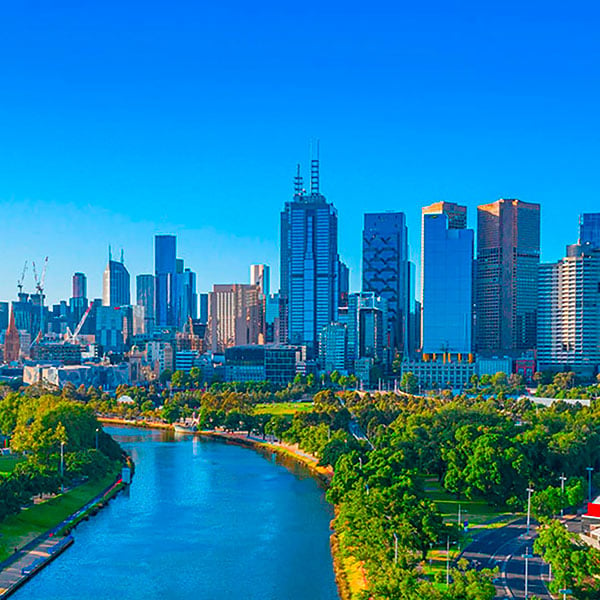
Melbourne
Flights from Melbourneto Miami, FL
1776$
1694$
Prime price per passenger
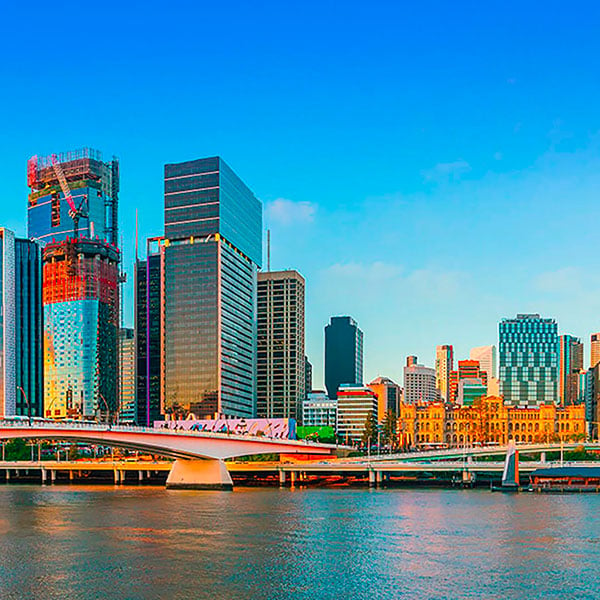
Brisbane
Flights from Brisbaneto Miami, FL
1340$
1286$
Prime price per passenger
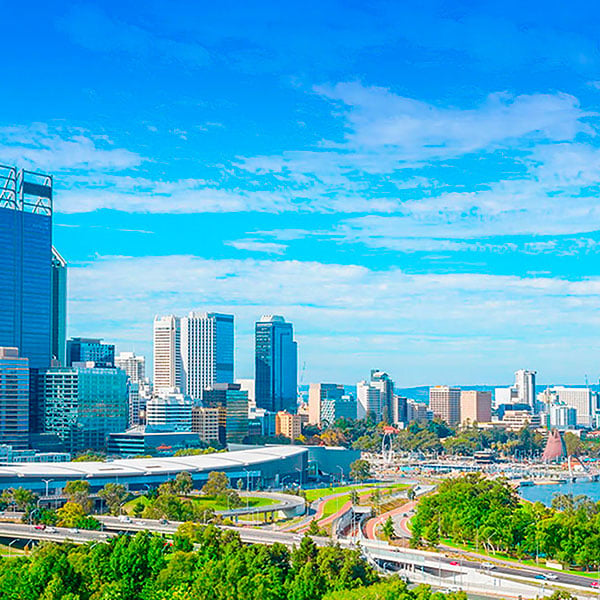
Perth
Flights from Perthto Miami, FL
2282$
2171$
Prime price per passenger
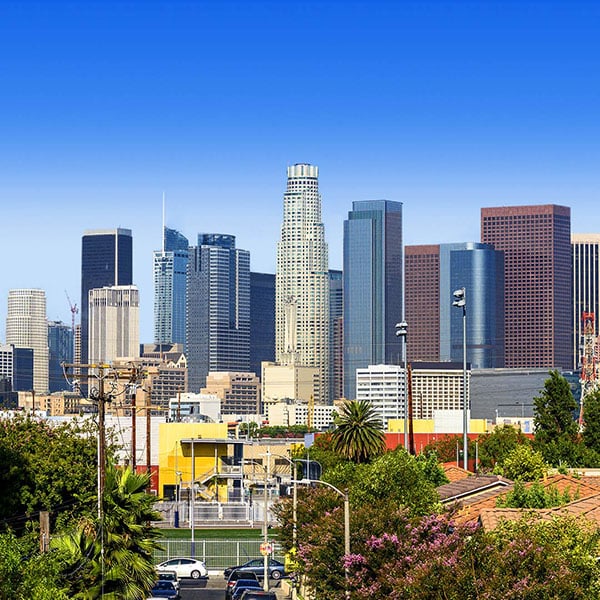
Los Angeles, CA
Flights from Los Angeles, CAto Miami, FL
331$
320$
Prime price per passenger
Sao Paulo
Flights from Sao Pauloto Miami, FL
601$
580$
Prime price per passenger

How long’s the flight to Miami, FL?

If you’re looking to fly to Miami, FL, we at Opodo have checked the most popular routes to help you plan your trip. From Brisbane, the flight takes roughly 22h 36m; from Perth, around 23h 24m; and from Sydney, about 26h 1m.
Flight Time (in hours)
BrisbanePerthSydneyHobartMelbourne
0h 5h 10h 15h 20h 25h 30h
22h 36m
23h 24m
26h 1m
27h 5m
27h 29m

How much does a flight to Miami, FL cost?

At Opodo you can find flights from Sydney to Miami, FL starting from $1,156, with an average price of $2,728. If you depart from other cities such as Brisbane, you can find tickets from $1,284, and from Gold Coast - Coolangatta starting from $1,301, according to data from the last 72 hours.
Filter by
SydneyBrisbaneGold Coast - CoolangattaMelbourneAdelaide
$2,728
$3,671
$1,301
$1,753
$2,482
SydneyCheapest
Cheapest Price: $1,156
Cheapest
Average

Find cheap flights to Miami, FL

Touching down in Miami places you at a dynamic crossroads where the Atlantic Ocean meets a sprawling metropolitan landscape defined by its tropical climate and international significance. This coastal city serves as a primary gateway to the Americas, offering a unique blend of maritime heritage and modern urban development that characterises the southern tip of the Florida peninsula.

The city is renowned for its distinctive architectural legacy, most notably within the Art Deco Historic District where pastel facades and neon accents reflect a glamorous mid-century aesthetic. Beyond the coastline, the cultural fabric is enriched by the mural-covered walls of Wynwood Walls, the lush Mediterranean revival styles of the Vizcaya Museum and Gardens, and the historic charm of the Barnacle Historic State Park.

Visitors are often drawn to the rhythmic atmosphere of Little Havana, where the scent of coffee and the click of dominoes in Maximo Gomez Park highlight the city’s deep Caribbean influences. Whether exploring the natural mangrove trails or the high-end galleries of the Miami Design District, the destination provides a diverse environment shaped by artistic expression and a fast-paced coastal lifestyle.

When to visit Miami, FL: peak seasons and quiet spells

Peak season in the subtropics

Winter and early spring represent the most popular time to visit Miami, as the city provides a warm refuge from the colder climates of the north. From December through April, daytime temperatures typically hover around a pleasant 24°C, creating an ideal environment for outdoor living and beach culture. Upon landing at Miami International Airport, travellers are greeted by clear blue skies and a distinct lack of the humidity that defines the region later in the year.

This period is defined by a high-energy social calendar and prestigious global gatherings. The city transforms into a cultural hub during Art Basel Miami Beach, while the South Beach Wine and Food Festival draws international crowds to the sands of South Beach. The atmosphere is lively and fast-paced, with the famous Art Deco Historic District bustling with activity. This is the prime season for exploring the Everglades National Park or enjoying the open-air shopping and dining along Lincoln Road.

The tropical summer rhythm in Miami

As the calendar moves into May, the city enters its quieter, more humid low season, which lasts through November. Temperatures frequently climb above 30°C, accompanied by afternoon thunderstorms that provide a dramatic, cooling break from the midday sun. While the pace of life slows down significantly, the lush tropical landscape becomes incredibly vivid. Visitors arriving during these months will notice a more relaxed, local atmosphere as the frantic energy of the peak season gives way to a steadier, more authentic rhythm.

The social focus shifts towards indoor cultural experiences and water-based recreation to manage the heat. Events like Miami Spice encourage exploration of the diverse culinary scene, while the sheltered waters of Biscayne Bay remain popular for boating between the storms. Although this period coincides with the Atlantic hurricane season, the city is well-prepared for tropical weather, and the lack of crowds allows for a more intimate connection with landmarks like the Vizcaya Museum and Gardens or the colourful murals of Wynwood.

Transport to and from Miami, FL Airport

Getting to and from Miami Airports

The South Florida coastline is served by a network of major international gateways that facilitate a high volume of global traffic, making a flight to Miami a straightforward experience for both domestic and international visitors. Most travellers will arrive via the city’s primary hub, though secondary airports in the surrounding metropolitan region offer flexible alternatives depending on the carrier and departure point.

Miami International Airport (MIA)

Miami International Airport, commonly known by its IATA code MIA, is the primary gateway to the region and is situated approximately 13 km north-west of Downtown Miami. As one of the busiest hubs in the United States, it serves as a massive international link to Latin America and Europe, functioning as a major base for American Airlines. The airport features a large, horseshoe-shaped terminal layout divided into North, Central, and South terminals, accommodating a vast array of full-service global carriers and short-haul domestic routes.

Upon clearing the arrivals hall, travellers can access the city centre by taking the automated MIA Mover to the Miami Intermodal Center. From this transit hub, the Metrorail Orange Line provides a direct and efficient connection to Government Center and Brickell, with a journey time of roughly 15–20 minutes. For those heading to the coast, the Miami Beach Airport Express bus offers a dedicated service to South Beach, while taxis and ride-hailing platforms are readily available outside each terminal, typically reaching the urban core in 20–30 minutes depending on traffic conditions.

Fort Lauderdale-Hollywood International Airport (FLL)

Located about 45 km north of Miami, Fort Lauderdale-Hollywood International Airport (FLL) serves as a significant secondary gateway for the metropolitan area. While it handles a substantial number of international arrivals, it is particularly well-known as a major base for low-cost carriers such as Spirit Airlines, JetBlue, and South-west Airlines. The facility consists of four distinct terminals and is often preferred by those looking for budget-friendly flights to Miami or those staying in the northern reaches of the city.

Travellers landing at FLL can reach Miami by using the Brightline high-speed rail service from the nearby Fort Lauderdale Station, which reaches MiamiCentral in approximately 30 minutes. Alternatively, the Tri-Rail commuter train offers a more economical connection from the Fort Lauderdale/Hollywood International Airport Station at Dania Beach, arriving at the Miami Airport Station in about 40–50 minutes. Shared shuttle services and private cars also operate frequently between the airport and major hotels in Miami Beach or the Port of Miami, with driving times generally ranging from 45 to 60 minutes.

Top things to do in Miami, FL

Touching down at Miami International Airport offers an immediate introduction to the tropical energy and coastal brightness that defines this South Florida hub. As the skyline comes into view through the cabin window, the transition from the clouds to the palm-lined avenues signals the start of an immersive exploration into a city where Latin American soul meets Art Deco elegance.

  • South Beach serves as the quintessential introduction to the city’s aesthetic, famous for the pastel-hued buildings of the Art Deco Historic District that glow under the evening neon. Travellers can wander the shoreline where the Atlantic Ocean meets wide stretches of sand, framed by the iconic, brightly painted lifeguard stands.
  • Little Havana pulses with the rhythmic sounds of salsa and the rich aroma of roasted coffee, offering a sensory journey into the heart of the Cuban diaspora. A stroll down Calle Ocho reveals the social fabric of the neighbourhood, where locals gather for intense games at Maximo Gomez Park.
  • Wynwood Walls has transformed a former industrial zone into a sprawling outdoor museum dedicated to cutting-edge street art and large-scale murals. This creative enclave attracts those looking to see the work of world-renowned graffiti artists amidst a backdrop of converted warehouses and experimental galleries.
  • Vizcaya Museum and Gardens provides a serene look into the early 20th century, featuring a Mediterranean-style villa filled with European antiquities and sprawling Italian Renaissance gardens. Situated along Biscayne Bay, the estate offers a quiet, historical counterpoint to the high-energy pace of the modern city centre districts.
  • Everglades National Park sits just a short distance from the urban sprawl, representing a vast, subtropical wilderness that is a UNESCO World Heritage Site. Gliding through the sawgrass marshes allows visitors to encounter a prehistoric landscape teeming with alligators, herons, and rare orchids in one of the most unique ecosystems on the planet.
  • Coconut Grove offers a lush, bohemian atmosphere characterised by winding streets and a dense canopy of banyan trees. As the oldest continuously inhabited neighbourhood in the city, it retains a relaxed, village-like charm that feels worlds away from the nearby skyscrapers.

Plan your trip to Miami, FL now

There is nothing quite like taking your seat with the art deco pastels and ocean breezes of Miami waiting at the other end. Convenient flight options tend to appear when you reserve your seat early and leave your arrival dates open. Regular flyers may also enjoy Opodo Prime, whose member savings and added benefits make every trip across to Florida and the wider United States more rewarding.

FAQ's about Miami, FL

How can I find cheap flights to Miami, FL at Opodo?
At Opodo you can find flights from $56 to Miami, FL. Our offers are the result of a combination of different technologies, machine learning algorithms and real searches form our customers in our platform, so you can get the options that better suits your needs when flying to Miami, FL.
When's the best time to go to Miami, FL?
We checked our customers' flight searches, and the winner of best time to fly to Miami, FL is... April.
The next best month to travel to Miami, FL is March.
And let's not forget February, the third top choice for when to go to Miami, FL.
However if you prefer things on the less busy side, we can also tell you (quietly) that the least popular month for flights to Miami, FL is November.
What are the cheapest airlines flying to Miami, FL?

Looking at the prices of our customers' bookings from Australia to Miami, FL, your best bet for cheap flights is:

  • Fiji Airways: average one-way price of $2,305.22 , with Canberra to Miami, FL an average of $2,078.97 and Sydney from $2,258.30.
  • Scoot (one-way average: $2,485.10) : this includes an average price from Sydney to Miami, FL of $2,436.30 and also flights from Melbourne costing $2,514.37.
  • Turkish Airlines: average cost for one-way was $2,533.66 , with Sydney to Miami, FL flights costing an average of $2,533.66 and the price tag from Melbourne being $2,514.37.
Which airlines fly to Miami, FL from Australia?

Airlines flying direct from Australia to Miami, FL include:

  • Royal Air Maroc, which flies from Jacksonville, FL and Los Angeles, CA to Miami, FL plus from Seattle, WA.
  • American Airlines, which has flights from Charlotte, NC and Dallas, TX as well as New York City to Miami, FL.
  • Aeromexico, with flights from Montreal to Miami, FL and Vancouver and also from New York City.

Indirect flights from the Australia to Miami, FL include:

  • Air Canada, which flies from Sydney and Melbourne and also from Perth.
  • Turkish Airlines, with flights from Melbourne and Sydney to Miami, FL plus Brisbane.
  • Virgin Atlantic, which has flights from Melbourne and Sao Paulo as well as from Santiago to Miami, FL.
What is the weather like in Miami, FL?
If you're looking for summer vibes, the best time to travel to Miami, FL is in July, August and September, when the average temperature reaches 31º, while January, December and April are the 3 sunniest months of the year, with an average of 24 hours. If you prefer colder temperatures, however, make sure you visit Miami, FL during the months of January, February and December to experience an average of 18º. For those who don't care too much about temperatures, but want to avoid getting wet in the rain, it's important to avoid travelling during June, September and August, when the average precipitation in Miami, FL is 183mm, while the months of December, January and February are drier, with an average of 55mm.

Plan your trip

Other popular routes to explorePopular CitiesPopular Flight Routes