Book cheap flights to Osaka

Explore the best deals

Discover the cheapest flights to Osaka

Filter by
The prices shown on this page were available within the last 20 days for the specified periods and should not be considered the final price offered. Please note that availability and prices are subject to change.

Popular flight routes to Osaka
Sydney
Flights from Sydneyto Osaka
1237$
1186$
Prime price per passenger
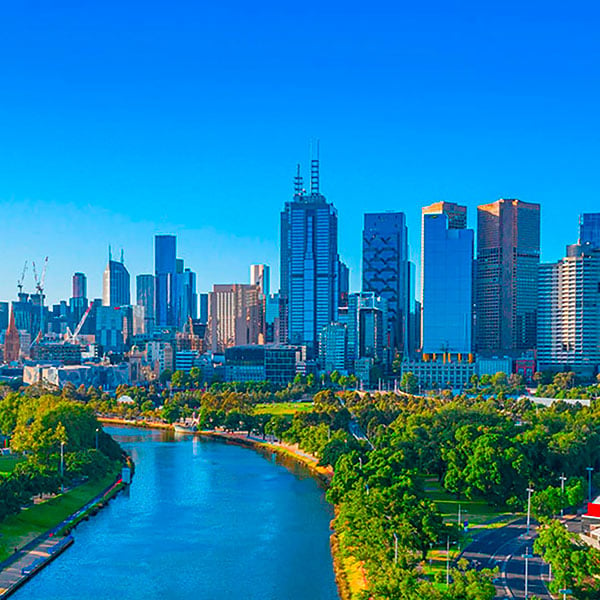
Melbourne
Flights from Melbourneto Osaka
490$
473$
Prime price per passenger
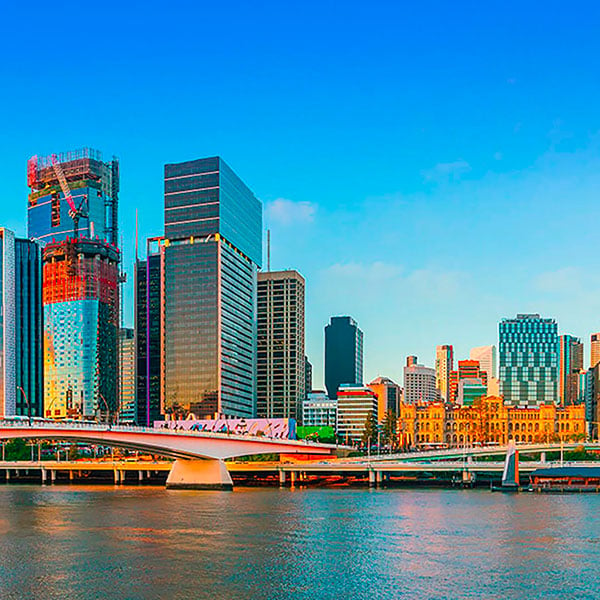
Brisbane
Flights from Brisbaneto Osaka
735$
713$
Prime price per passenger
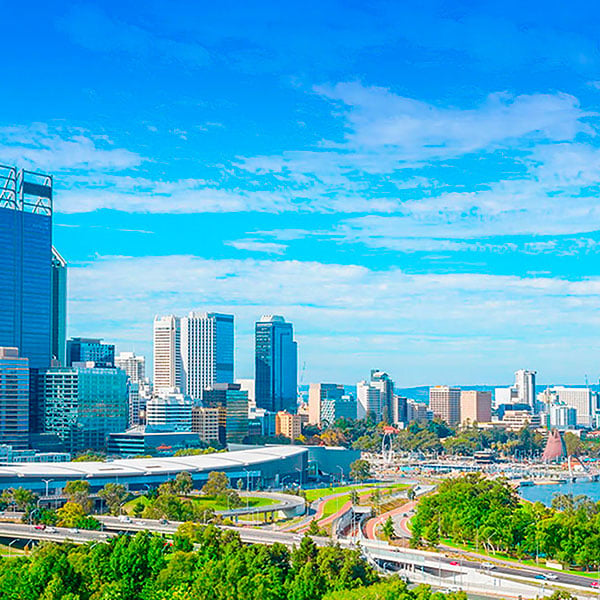
Perth
Flights from Perthto Osaka
1201$
1159$
Prime price per passenger
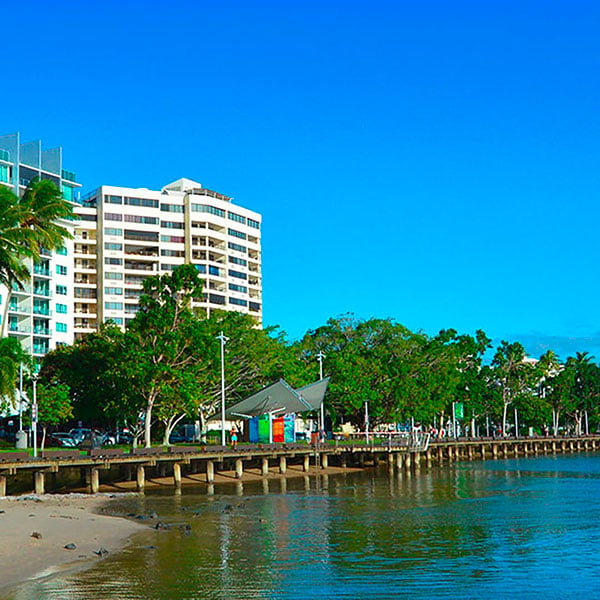
Cairns
Flights from Cairnsto Osaka
754$
720$
Prime price per passenger
Adelaide
Flights from Adelaideto Osaka
908$
868$
Prime price per passenger

How long’s the flight to Osaka?

If you’re looking to fly to Osaka, we at Opodo have checked the most popular routes to help you plan your trip. From Brisbane, the flight takes roughly 11h 22m; from Perth, around 11h 58m; and from Sydney, about 12h 36m.
Flight Time (in hours)
BrisbanePerthSydneyMelbourneAdelaide
0h 5h 10h 15h
11h 22m
11h 58m
12h 36m
13h 37m
13h 57m

How much does a flight to Osaka cost?

At Opodo you can find flights from Brisbane to Osaka starting from $391, with an average price of $1,006. If you depart from other cities such as Sydney, you can find tickets from $403, and from Perth starting from $446, according to data from the last 72 hours.
Filter by
BrisbaneSydneyPerthMelbourneCairns
$1,006
$934
$691
$1,104
$891
BrisbaneCheapest
Cheapest Price: $391
Cheapest
Average

Find cheap flights to Osaka

Osaka represents a dynamic intersection of tradition and high-speed modernity, providing the main access point to the Kansai region. The city functions as a central hub for those seeking to explore the diverse landscapes of western Honshu, offering a direct connection to the ancient capitals and temple towns that surround it.

The urban skyline is defined by the towering presence of Osaka Castle, a reconstructed sixteenth-century landmark surrounded by expansive gardens. Visitors often gravitate towards the neon-lit corridors of Dotonbori and the historic Shitennoji Temple, which stands as one of the oldest Buddhist sites in the region. The Umeda Sky Building provides a stark architectural contrast with its futuristic observatory, while the Sumiyoshi Taisha shrine showcases the distinctive Sumiyoshi-zukuri style, one of Japan’s oldest forms of indigenous shrine architecture.

A distinct spirit of exploration defines the local atmosphere, driven by a world-renowned culinary heritage and a famously approachable population. This destination balances its role as a commercial powerhouse with a relaxed, lively street culture that encourages extensive discovery. Travellers find a city that prioritises sensory experiences, from its bustling markets to its quiet, riverside promenades.

When to visit Osaka: peak seasons and quiet spells

High season in Osaka: energetic pulse

Osaka draws its largest crowds in spring and autumn, when daytime temperatures settle into a mild 16°C to 24°C. When travellers arrive at Kansai International Airport, they are often greeted by the soft pink hues of cherry blossoms in late March or the fiery maples of November. During these months, the city’s pace quickens as locals and visitors alike flock to outdoor spaces like Osaka Castle Park to participate in traditional hanami flower-viewing parties. The air is crisp and comfortable, making it the ideal climate for exploring the canal-side neon of Dotonbori on foot without the intensity of the summer heat.

The social atmosphere during these months is celebratory and communal, anchored by significant cultural events. Even as the humidity rises in mid-summer, the city maintains a high-energy rhythm with massive fireworks displays over the Okawa River. Visitors landing during the high season will find a city running at full tilt, where the streets are bustling well into the night and the famous food culture spills out onto the pavements in a sensory display of steam and light.

The quiet charm of the low season

As winter settles over the city from December through February, Osaka adopts a more serene and contemplative character. Temperatures typically hover between 3°C and 11°C, creating a sharp, clear atmosphere that is perfect for viewing the city’s skyline from the Umeda Sky Building. While the crowds thin out, the city transforms with elaborate light installations, such as the Osaka Festival of the Lights, which illuminates the Midosuji boulevard for several kilometres. The transition from the airport into the city centre feels more intimate, as the frantic energy of the warmer months gives way to a cosy, indoor-focused lifestyle.

The rainy season in June and the typhoon-prone weeks of September also see a dip in visitor numbers. During these periods, the city’s vast network of underground shopping malls and covered arcades, like Shinsaibashi-suji, becomes the primary social hub. The pace of life slows down slightly, offering a more authentic glimpse into the daily routines of residents. For those arriving during these quieter months, the experience is defined by shorter queues at major landmarks and a peacefulness that contrasts with the city’s usual reputation for boisterous excitement.

Transport to and from Osaka Airport

Getting to and from Osaka’s Airports

Visitors reaching this bustling Japanese metropolis typically arrive via two distinct gateways, the right one depending on whether travellers arrive on a long-haul international service or a regional domestic route. Choosing the right flight to Osaka often depends on which of these hubs best aligns with a traveller’s specific itinerary and point of origin.

Kansai International Airport (KIX)

Kansai International Airport (KIX) is the primary international gateway for the region, famously situated on a man-made island in Osaka Bay, approximately 40 km south-west of the city centre. As a major hub for All Nippon Airways, Japan Airlines, and Peach Aviation, the facility handles the vast majority of long-distance flights to Osaka across its two terminals. The airport is renowned for its unique offshore engineering and serves as a critical link for travellers arriving from across Asia, Europe, and North America.

Upon clearing customs, travellers have several efficient rail options to reach the urban core, including the JR Haruka limited express which reaches Tennoji Station in about 35 minutes and Shin-Osaka Station in roughly 50 minutes. The Nankai Rapi:t limited express is another popular choice, providing a direct connection to the bustling Namba district in approximately 40 minutes. For those carrying heavy luggage, the Airport Limousine Bus offers a convenient alternative, serving various major hotels and hubs like Umeda and Osaka Station with a travel time of around 60 minutes depending on traffic.

Osaka International Airport (ITM)

Commonly referred to as Itami Airport, Osaka International Airport (ITM) is located about 15 km north of the city centre, straddling the border between Toyonaka, Ikeda, and Itami. Despite its name, the airport now functions exclusively as a domestic hub, serving as a primary base for Japan Airlines and All Nippon Airways regional routes. Its proximity to the residential and business heart of the city makes it the preferred arrival point for those flying in from other Japanese cities like Tokyo, Sapporo, or Fukuoka.

Reaching the central districts from this airport is straightforward, though it lacks a direct heavy rail link to the city’s main terminal. Most travellers board the Osaka Monorail, which connects to the Hankyu Railway at Hotarugaike Station or the Midosuji Line at Senri-Chuo Station, allowing for a total journey time of about 30 to 45 minutes to Umeda. Alternatively, the Airport Limousine Bus provides a very efficient direct service, reaching Osaka Station or Namba in approximately 25 to 35 minutes. Taxis are also a viable and frequent option here due to the shorter distance to the city’s major commercial zones.

Top things to do in Osaka

Few Japanese cities wear their appetite for life as openly as Osaka, where sixteenth-century stonework, retro arcades and canal-side neon sit within a few train stops of one another. These are the places that best capture that character:

  • Dotonbori: This renowned waterfront district serves as the city’s sensory heart, where massive mechanical signs and brilliant LED displays reflect off the canal waters. It is the definitive place to experience the local philosophy of indulgence, surrounded by the steam of street-side kitchens and the constant hum of a crowd that never seems to tire.
  • Osaka Castle: Standing as a monumental symbol of power and resilience, this fortress is surrounded by impressive stone walls and a vast moat that offers a peaceful escape from the modern skyline. The contrast between the traditional tiered eaves of the main keep and the surrounding glass towers perfectly captures the layered history of the region.
  • Shinsekai: Developed in the early 20th century to evoke the atmosphere of global capitals, this neighbourhood retains a nostalgic, retro charm defined by the landmark Tsutenkaku Tower. The narrow lanes are filled with local eateries and colourful storefronts that offer a glimpse into the soulful, unpretentious side of urban life.
  • Shitennoji Temple: As one of the oldest officially administered temples in the region, this sacred site provides a profound sense of continuity reaching back to the 6th century. The elegant five-story pagoda and tranquil reflection ponds offer a meditative space where the spiritual heritage of the city remains vividly alive.
  • Umeda Sky Building: This architectural marvel features a unique "Floating Garden Observatory" that bridges two towers at 173 metres above the ground. The open-air deck provides an impressive 360-degree view of the city, allowing visitors to trace the path of the Yodo River as it winds towards the bay.
  • Kuromon Ichiba Market: Known locally as the city’s kitchen, this bustling market has been a focal point for fresh produce and culinary discovery for over a century. Walking through the covered aisles, visitors encounter an overwhelming variety of seasonal delicacies that showcase the region’s deep-rooted connection to the sea and land.

Plan your trip to Osaka now

The journey to Osaka truly begins with a smooth booking process that helps you focus on the discovery ahead. Leave some slack in your travel dates, weigh up what Opodo Prime brings, and you can comfortably lock in great value on your next flight to this dynamic destination. Whether you are flying for business or leisure, planning your arrival in Osaka becomes a seamless experience when you have the right tools to compare schedules.

FAQ's about Osaka

How can I find cheap flights to Osaka at Opodo?
At Opodo you can find flights from $46 to Osaka. Our offers are the result of a combination of different technologies, machine learning algorithms and real searches form our customers in our platform, so you can get the options that better suits your needs when flying to Osaka.
When's the best time to go to Osaka?
We checked our customers' flight searches, and the winner of best time to fly to Osaka is... April.
The next best month to travel to Osaka is March.
And let's not forget February, the third top choice for when to go to Osaka.
However if you prefer things on the less busy side, we can also tell you (quietly) that the least popular month for flights to Osaka is November.
What are the cheapest airlines flying to Osaka?

Looking at the prices of our customers' bookings from Australia to Osaka, your best bet for cheap flights is:

  • Shenzhen Airlines: average one-way price of $763.17 , with Melbourne to Osaka an average of $763.17 and Sydney from $1458.
  • Air Asia (one-way average: $799.19) : this includes an average price from Perth to Osaka of $780.98 and also flights from Darwin costing $1,813.70.
  • All Nippon Airways: average cost for one-way was $870.97 , with Sydney to Osaka flights costing an average of $1,736.47 and the price tag from Cairns being $1,907.62.
Which airlines fly to Osaka from Australia?

Airlines flying direct from Australia to Osaka include:

  • Peach Aviation, which flies from Bangkok and Seoul to Osaka plus from Hong Kong.
  • Air Asia X, which has flights from Cairns and Brisbane as well as Bangkok to Osaka.
  • Jetstar Japan, with flights from Tokyo to Osaka and Okinawa and also from Sapporo.

Indirect flights from the Australia to Osaka include:

  • Korean Air, which flies from Melbourne and Sydney and also from Perth.
  • China Eastern Airlines, with flights from Brisbane and Adelaide to Osaka plus Cairns.
  • China Southern Airlines, which has flights from Melbourne and Sydney as well as from Singapore to Osaka.
What is the weather like in Osaka?
If you're looking for summer vibes, the best time to travel to Osaka is in August, July and September, when the average temperature reaches 32º, while January, December and August are the 3 sunniest months of the year, with an average of 25 hours. If you prefer colder temperatures, however, make sure you visit Osaka during the months of January, February and December to experience an average of 4º. For those who don't care too much about temperatures, but want to avoid getting wet in the rain, it's important to avoid travelling during June, July and September, when the average precipitation in Osaka is 171mm, while the months of January, December and February are drier, with an average of 54mm.

Plan your trip

Other popular routes to explorePopular CitiesPopular Flight Routes