Book cheap flights to Sapporo

Explore the best deals

Discover the cheapest flights to Sapporo

Filter by
The prices shown on this page were available within the last 20 days for the specified periods and should not be considered the final price offered. Please note that availability and prices are subject to change.

Popular flight routes to Sapporo
Sydney
Flights from Sydneyto Sapporo
721$
699$
Prime price per passenger
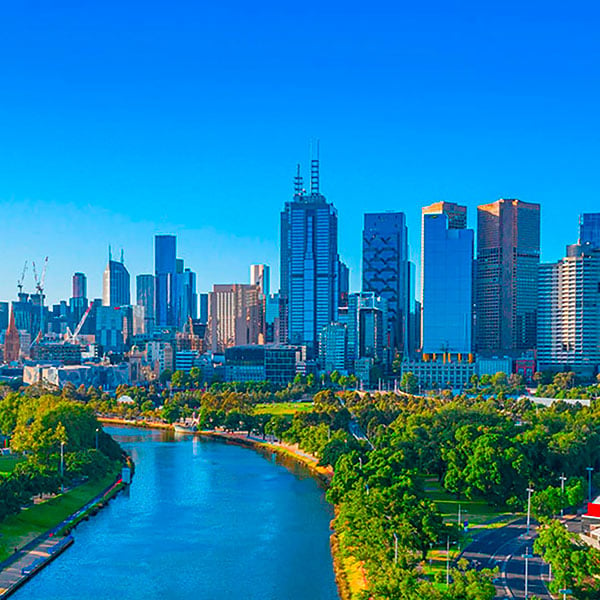
Melbourne
Flights from Melbourneto Sapporo
707$
682$
Prime price per passenger
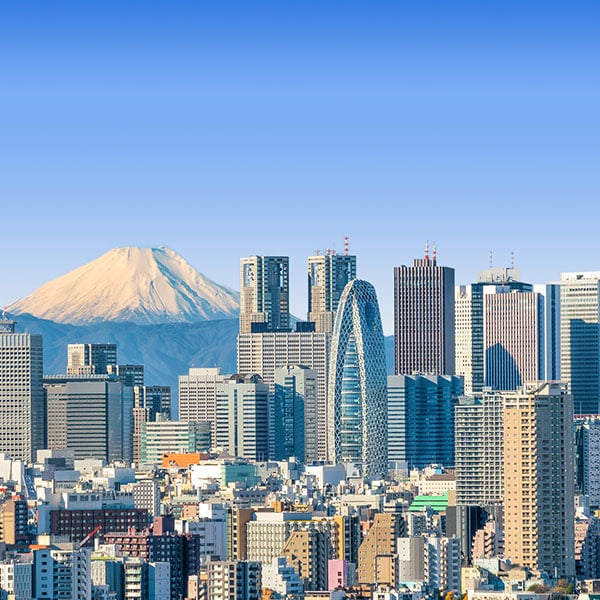
Tokyo
Flights from Tokyoto Sapporo
126$
115$
Prime price per passenger
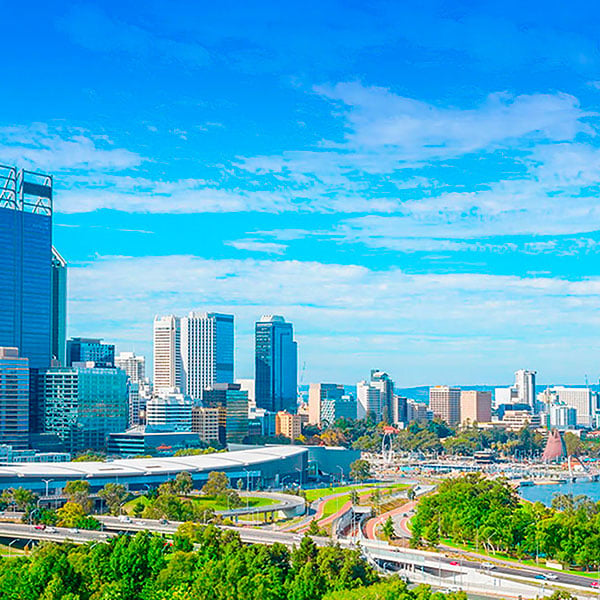
Perth
Flights from Perthto Sapporo
1193$
1120$
Prime price per passenger
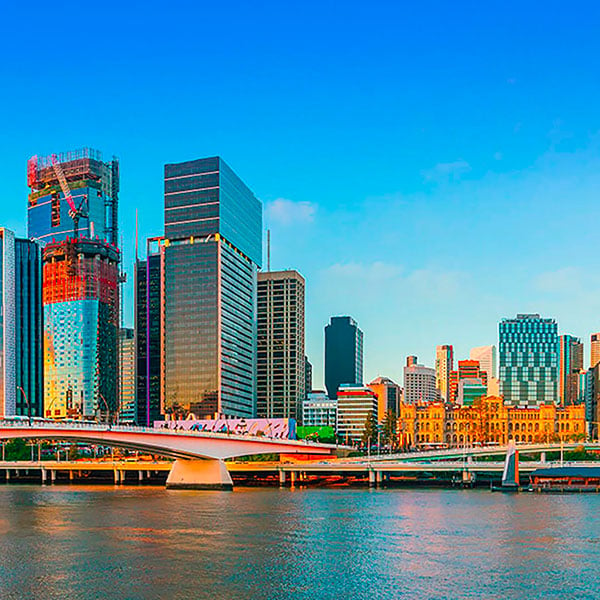
Brisbane
Flights from Brisbaneto Sapporo
2010$
1916$
Prime price per passenger
Adelaide
Flights from Adelaideto Sapporo
1121$
1051$
Prime price per passenger

How long’s the flight to Sapporo?

If you’re looking to fly to Sapporo, we at Opodo have checked the most popular routes to help you plan your trip. From Brisbane, the flight takes roughly 12h 44m; from Perth, around 13h 7m; and from Sydney, about 13h 13m.
Flight Time (in hours)
BrisbanePerthSydneyMelbourneAdelaide
0h 5h 10h 15h
12h 44m
13h 7m
13h 13m
14h 7m
14h 21m

How much does a flight to Sapporo cost?

At Opodo you can find flights from Sydney to Sapporo starting from $582, with an average price of $1,187. If you depart from other cities such as Adelaide, you can find tickets from $591, and from Melbourne starting from $612, according to data from the last 72 hours.
Filter by
SydneyAdelaideMelbourneBrisbanePerth
$1,187
$751
$1,515
$1,303
$1,396
SydneyCheapest
Cheapest Price: $582
Cheapest
Average

Find cheap flights to Sapporo

Sapporo stands as the primary gateway to the northernmost island, serving as a bustling urban hub that balances sophisticated city planning with rugged natural surroundings. The journey here reveals a destination famous for its expansive grid-like streets and the seasonal transformation that defines its international reputation.

The city’s architectural identity is best observed through historical landmarks like the Sapporo Clock Tower, a wooden structure dating back to 1878, and the red-brick Former Hokkaido Government Office. Cultural discovery continues in Odori Park, which stretches through the city centre, and the lively Susukino district, known for its dense concentration of entertainment and illuminated facades.

Visitors are drawn to the unique atmosphere of a city that transitioned from a frontier settlement to a modern metropolis, hosting the 1972 Winter Olympics. This legacy of exploration persists today, anchored by a world-renowned culinary scene and the enduring popularity of the Sapporo Snow Festival.

When to visit Sapporo: peak seasons and quiet spells

The snow-draped peak of the high season

Winter, from December to February, serves as the definitive high season, transforming the city into a crystalline landscape where temperatures frequently hover between -5°C and -2°C. Upon landing at New Chitose Airport, visitors are immediately met by the crisp, dry air that characterises this northern hub during its most famous months. The urban layout, designed with wide boulevards, becomes a stage for the Sapporo Snow Festival in Odori Park, where massive ice sculptures draw international crowds. Life shifts partially underground to the extensive pedestrian networks, though the surface remains active with skiers and snowboarders passing through on their way to nearby mountain resorts.

The atmosphere during these months is one of festive resilience, where the heavy snowfall is celebrated rather than endured. Evening illuminations light up the streets, creating a sharp contrast against the white backdrop and the dark winter skies. While the pace in the city centre is energetic due to the influx of tourists, the surrounding nature offers a quiet, muffled serenity perfect for visiting Moerenuma Park or enjoying local hot springs. This period defines the city’s global identity, offering a quintessential winter experience that balances urban convenience with rugged, snow-country beauty.

The lush transitions of the low season

The shoulder and low seasons, particularly during the late spring and early autumn, offer a completely different sensory experience as the greenery returns to the Hokkaido landscape. As the snow melts, temperatures rise to a comfortable 15°C to 22°C, making it an ideal time for those who prefer exploring the city’s extensive parks and botanical gardens without the winter crowds. The arrival at the terminal during these months reveals a patchwork of vibrant fields and clear blue horizons, signalling a shift towards outdoor festivals and open-air markets.

During this quieter period, the lifestyle slows down, allowing for a more intimate look at the local culture and the city’s burgeoning culinary scene. The Sapporo Lilac Festival in May marks the official end of the cold, filling the air with fragrance and attracting locals to picnic under the sun. With fewer visitors competing for space at iconic landmarks like the Sapporo TV Tower or the Clock Tower, the city feels more spacious and accessible. It is a season of natural transition, where the crispness of the air remains, but the focus shifts to the lush, volcanic geography that surrounds the urban core.

Transport to and from Sapporo Airport

The aviation landscape for those booking a flight to Sapporo is defined by one of the busiest domestic hubs in the country alongside a smaller, centrally located airfield, together providing access to the northern reaches of the island. Most travellers will arrive via a large-scale international facility that connects the region to major global hubs and cities across the archipelago.

New Chitose Airport (CTS)

The primary entry point for the region is New Chitose Airport (CTS), located approximately 50 km south-east of the city centre in the municipality of Chitose. As the largest airport in the area, it handles the vast majority of flights to Sapporo, serving as a major hub for Japan Airlines (JAL), All Nippon Airways (ANA), and several low-cost carriers. The facility is divided into a Domestic Terminal and an International Terminal, which are connected by a walkway lined with shops and cultural attractions.

Upon landing, the most efficient way to reach the city is via the JR Hokkaido train service. The Rapid Airport express train departs frequently from the station located in the basement of the domestic terminal, reaching Sapporo Station in about 40 minutes. Alternatively, numerous airport limousine buses operate from various points outside the arrival lobbies, providing direct transport to major hotels and the Susukino and Odori districts in roughly 60 to 80 minutes, depending on traffic and snow conditions. Taxis are available 24 hours a day at designated ranks, though the journey into the heart of the city is lengthy.

Okadama Airport (OKD)

Officially known as Sapporo Okadama Airport (OKD), this smaller facility is situated just 6 km north of the city centre within the Higashi-ku district. Unlike the larger international hub, this airport primarily manages regional turboprop flights connecting to other cities within the island and a few select destinations on the mainland. It serves as a base for Hokkaido Air System (HAC) and provides a convenient, time-saving alternative for business travellers or those exploring more remote northern territories.

Because of its proximity to the urban core, the transition from the terminal to the city is exceptionally quick. Travellers can board a dedicated airport shuttle bus that links the terminal to Sapporo Station in approximately 20 to 30 minutes. During the summer months, a bus service also connects the airport to the Sakaemachi Station on the Toho Line of the Sapporo Municipal Subway, allowing for a rapid transfer into the underground rail network. Taxis offer a very short commute to central neighbourhoods, typically taking around 15 to 20 minutes.

Top things to do in Sapporo

Sapporo rewards visitors with a compact mix of central parks, red-brick landmarks and celebrated seafood markets, all easily reached from the city’s grid of wide boulevards.

  • Odori Park serves as the green spine of the city, stretching through the central district and transforming with the seasons from a floral promenade into the icy heart of the Sapporo Snow Festival. It is the primary stage for local life, where the scale of the city feels most approachable amidst manicured lawns and towering fountains.
  • Susukino offers a dazzling sensory transition after dark, defined by a sea of neon signs and a labyrinth of narrow alleys housing hidden basement bars and ramen shops. This district captures the energetic pulse of the city’s nightlife, reflecting a modern culture that thrives long after the sun sets behind the peaks.
  • Sapporo Beer Museum provides a deep dive into the industrial heritage of the region, housed in an iconic red-brick building that stands as a Hokkaido Heritage site. The atmosphere here connects the city’s colonial history with its world-famous brewing traditions, offering a glimpse into the craftsmanship that shaped its global identity.
  • Mount Moiwa provides a spectacular vantage point accessible via cable car, where the summit reveals a panoramic view of the urban sprawl meeting the Ishikari Plain. As the city lights flicker on in the twilight, the observation deck offers a moment of serene clarity far above the bustling streets.
  • Hokkaido Shrine sits nestled within the dense woods of Maruyama Park, offering a tranquil space for reflection amidst towering elm and cypress trees. The transition from the modern city to this sacred ground highlights the deep spiritual connection residents maintain with the natural environment.
  • Nijo Market invites exploration through its historic stalls, where the morning air is filled with the scent of fresh seafood and the calls of local vendors. This century-old marketplace remains the best place to witness the city’s culinary foundations, showcasing the bounty of the surrounding cold-water seas.

Plan your trip to Sapporo now

For strong value on flights to Sapporo, book your journey well ahead of the snow season and stay flexible with your departure dates to catch the most competitive fares. Frequent flyers stand to gain further value from Opodo Prime as well, making the path to New Chitose Airport even more rewarding. Every great adventure starts with a seamless booking experience, ensuring your attention can rest wholly on the thrill of the trip ahead to Hokkaido.

FAQ's about Sapporo

How can I find cheap flights to Sapporo at Opodo?
At Opodo you can find flights from $53 to Sapporo. Our offers are the result of a combination of different technologies, machine learning algorithms and real searches form our customers in our platform, so you can get the options that better suits your needs when flying to Sapporo.
When's the best time to go to Sapporo?
We checked our customers' flight searches, and the winner of best time to fly to Sapporo is... April.
The next best month to travel to Sapporo is March.
And let's not forget February, the third top choice for when to go to Sapporo.
However if you prefer things on the less busy side, we can also tell you (quietly) that the least popular month for flights to Sapporo is November.
What are the cheapest airlines flying to Sapporo?

Looking at the prices of our customers' bookings from Australia to Sapporo, your best bet for cheap flights is:

  • Hainan Airlines: average one-way price of $1,125.97 , with Sydney to Sapporo an average of $1,125.97 and Melbourne from $1,650.90.
  • Air Asia (one-way average: $1,259.65) : this includes an average price from Perth to Sapporo of $1,259.65 and also flights from Melbourne costing $1,566.16.
  • Hong Kong Airlines: average cost for one-way was $1,419.99 , with Sydney to Sapporo flights costing an average of $1,335.87 and the price tag from Melbourne being $1,606.45.
Which airlines fly to Sapporo from Australia?

Airlines flying direct from Australia to Sapporo include:

  • Jetstar Japan, which flies from Tokyo and Osaka to Sapporo plus from Aomori.
  • Skymark Airlines, which has flights from Tokyo and Osaka as well as Hanamaki to Sapporo.
  • Japan Airlines, with flights from Busan to Sapporo and Osaka and also from Nagoya.

Indirect flights from the Australia to Sapporo include:

  • Thai Airways International, which flies from Melbourne and Sydney and also from Brisbane.
  • Eva Air, with flights from Melbourne and Perth to Sapporo plus Sydney.
  • China Airlines, which has flights from Sydney and Melbourne as well as from Perth to Sapporo.
What is the weather like in Sapporo?
If you're looking for summer vibes, the best time to travel to Sapporo is in August, July and September, when the average temperature reaches 25º, while July, May and June are the 3 sunniest months of the year, with an average of 23 hours. If you prefer colder temperatures, however, make sure you visit Sapporo during the months of January, February and December to experience an average of -6º. For those who don't care too much about temperatures, but want to avoid getting wet in the rain, it's important to avoid travelling during September, August and December, when the average precipitation in Sapporo is 128mm, while the months of April, May and June are drier, with an average of 57mm.

Plan your trip

Other popular routes to explorePopular CitiesPopular Flight Routes