Book cheap flights to Busan

Explore the best deals

Discover the cheapest flights to Busan

Filter by
The prices shown on this page were available within the last 20 days for the specified periods and should not be considered the final price offered. Please note that availability and prices are subject to change.

Popular flight routes to Busan
Sydney
Flights from Sydneyto Busan
438$
423$
Prime price per passenger
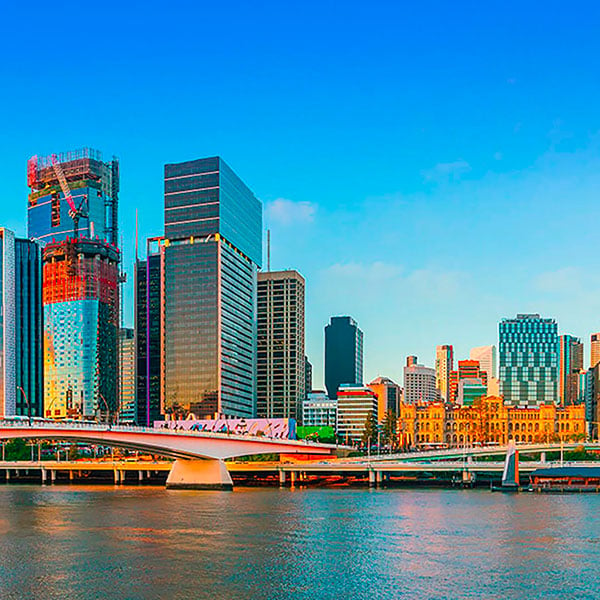
Brisbane
Flights from Brisbaneto Busan
1758$
1686$
Prime price per passenger
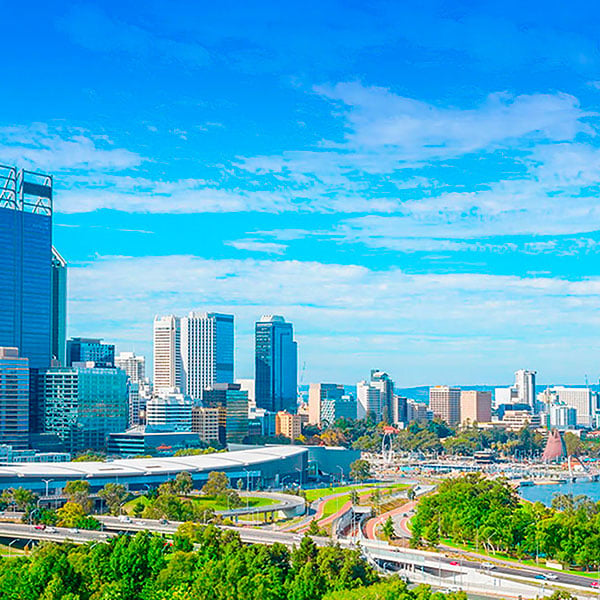
Perth
Flights from Perthto Busan
5418$
5131$
Prime price per passenger
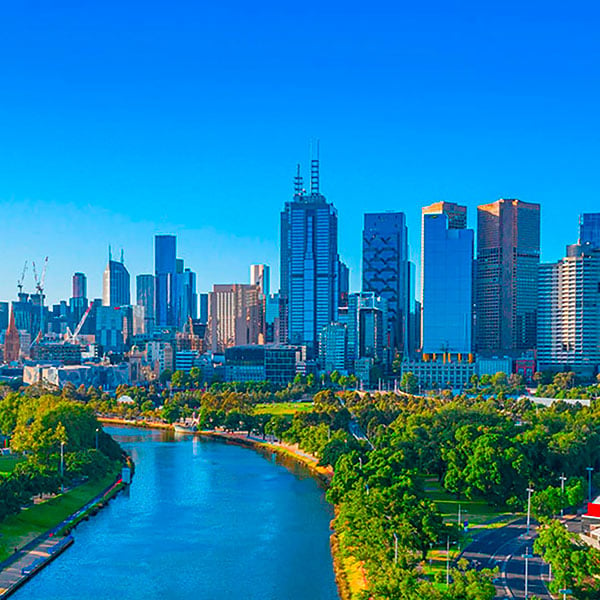
Melbourne
Flights from Melbourneto Busan
2896$
2764$
Prime price per passenger
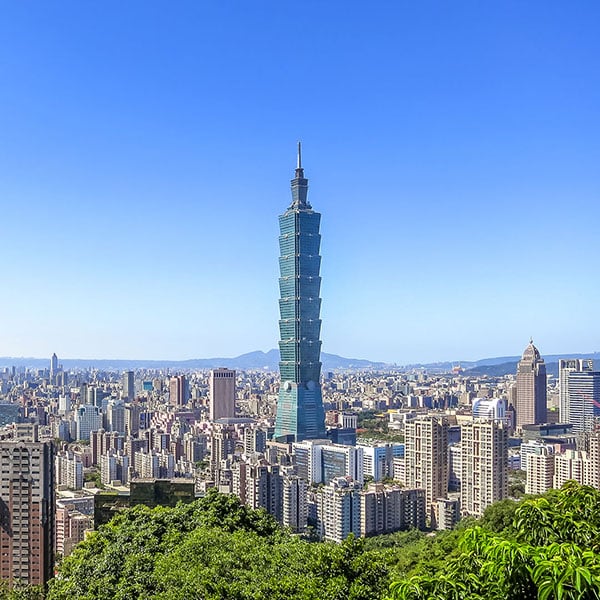
Taipei
Flights from Taipeito Busan
618$
596$
Prime price per passenger
Seoul
Flights from Seoulto Busan
97$
94$
Prime price per passenger

How long’s the flight to Busan?

If you’re looking to fly to Busan, we at Opodo have checked the most popular routes to help you plan your trip. From Perth, the flight takes roughly 11h 46m; from Sydney, around 12h 13m; and from Brisbane, about 13h 10m.
Flight Time (in hours)
PerthSydneyBrisbaneMelbourneCanberra
0h 5h 10h 15h 20h
11h 46m
12h 13m
13h 10m
13h 31m
15h 16m

How much does a flight to Busan cost?

At Opodo you can find flights from Sydney to Busan starting from $421, with an average price of $1,108. If you depart from other cities such as Melbourne, you can find tickets from $522, and from Perth starting from $609, according to data from the last 72 hours.
Filter by
SydneyMelbournePerthBrisbaneNewcastle, NSW
$1,108
$1,199
$1,418
$2,102
$856
SydneyCheapest
Cheapest Price: $421
Cheapest
Average

Find cheap flights to Busan

Busan serves as a vital maritime gateway, where the rugged mountains of the peninsula meet the expansive waters of the Korea Strait. A flight to this coastal metropolis reveals a landscape defined by deep-water harbours and steep hillsides that have shaped its unique urban development.

The city’s identity is anchored in diverse landmarks, from the colourful, tiered alleys of Gamcheon Culture Village to the spiritual serenity of Haedong Yonggungsa Temple, which sits directly on the rocky shoreline. Visitors often explore the bustling stalls of Jagalchi Fish Market, the largest of its kind in the region, or admire the soaring heights of the Busan Tower within Yongdusan Park.

This destination balances a gritty industrial energy with a refined cultural scene, offering everything from the quiet trails of Geumjeongsan Mountain to the modern aesthetics of the Busan Cinema Center. It remains a primary hub for travellers seeking a blend of traditional maritime heritage and contemporary South Korean life.

When to visit Busan: peak seasons and quiet spells

Beach season on Haeundae

From July to August, Busan enters its most energetic phase as the humid subtropical climate draws crowds to the coastline. Temperatures frequently hover around 30°C, creating a shimmering atmosphere where the sea breeze provides the only respite from the intense summer sun. Travellers landing at Gimhae International Airport during these months are immediately met by a wall of warmth and a city operating at its highest tempo, with urban life spilling out onto the sands of Haeundae Beach and Gwangalli Beach.

The social landscape is defined by a festive, outdoor-centric lifestyle where the city barely sleeps. Cultural highlights like the Busan Sea Festival transform the waterfront into a hub of live music and dance, while the night skies are often illuminated by fireworks. As the sun sets, the pace remains brisk; the neon lights of the skyscrapers reflect off the water, and the coastal promenades become packed with locals and international visitors enjoying the peak of the holiday season.

Winter along the Busan shoreline

As the calendar turns towards December and January, the city adopts a much calmer and more contemplative character. While winters are cold, with average daytime highs around 10°C, Busan remains significantly milder than northern regions, often enjoying crisp, blue skies and piercingly clear sunlight. Visitors arriving in the winter months encounter a city that feels spacious and serene, offering a stark contrast to the summer rush and allowing for a more intimate exploration of the rugged coastline and hillside villages.

When the cold sets in, daily life retreats to the steaming stalls of the traditional markets, where the chill is countered by local culinary warmth. The cultural rhythm slows down, focusing on seasonal light displays and the quiet beauty of coastal temples like Haedong Yonggungsa. Walking along the shore during this period offers a peaceful solitude, with the crashing waves of the Korea Strait providing a powerful soundtrack to a city that uses the cooler months to recharge and find its balance.

Transport to and from Busan Airport

Gimhae International Airport (PUS) serves as the primary aviation facility for Busan, handling the vast majority of air traffic. Travellers booking a flight to Busan will arrive at this modern hub, which efficiently connects the city to the region.

Gimhae International Airport (PUS)

Gimhae International Airport (PUS) is situated approximately 15 km west of the city centre in the Gangseo-gu district. As a major hub for carriers like Air Busan and Korean Air, it operates two distinct terminals—one for domestic routes and another for international services. The airport facilitates extensive regional connections across East Asia and South-east Asia, while also providing frequent shuttle flights to major domestic hubs such as Seoul and Jeju Island.

Upon clearing arrivals, the most efficient way to reach the city is via the Busan-Gimhae Light Rail Transit, which connects directly to Daejeo Station on Line 3 or Sasang Station on Line 2. The journey to the central Seomyeon district typically takes about 45 minutes to 60 minutes including the transfer. For those seeking a direct route to major hotel clusters, the Limousine Bus services offer comfortable transit to Haeundae Beach and Busan Station in roughly 60 minutes to 90 minutes, depending on traffic conditions. Taxis are readily available at the ranks outside both terminals, providing a convenient door-to-door service to various neighbourhoods across the city.

Top things to do in Busan

Busan offers a diverse range of attractions, from colourful villages to serene temples and bustling markets. Explore the city’s unique blend of coastal charm and cultural depth with these top things to do and see:

  • Gamcheon Culture Village: Known as the "Machu Picchu of the East," this lively hillside community features a kaleidoscope of pastel-painted houses and narrow, winding alleys adorned with street art and sculptures. Exploring this former refugee enclave offers a profound look at how creativity and community spirit have transformed a rugged landscape into a living gallery.
  • Haeundae Beach: This renowned stretch of white sand serves as the city’s social heartbeat, where the modern skyline of glittering skyscrapers reflects off the rolling surf. It is the premier spot to witness the urban sophistication of the region, especially as the sun sets and the beachfront promenade comes alive with local energy.
  • Haedong Yonggungsa Temple: Unlike most temples tucked away in the mountains, this impressive 14th-century Buddhist site sits directly on the rocky coastline. The sound of waves crashing against the stone foundations creates a meditative atmosphere that is rare to find so close to a major metropolitan hub.
  • Jagalchi Market: As the largest seafood market in the area, this bustling waterfront landmark provides an unfiltered sensory experience of local life. Giant tanks filled with exotic marine life and the rhythmic calls of the "Jagalchi Ajummas" capture the gritty, authentic maritime heritage that defines the city’s character.
  • Beomeosa Temple: Located on the high slopes of Geumjeongsan Mountain, this serene sanctuary dates back to 678 AD and serves as a peaceful retreat from the urban pace below. The intricate wooden architecture and ancient wisteria woods offer a quiet space to reflect on the spiritual traditions that have anchored the region for over a millennium.
  • Gwangalli Beach: Famous for its perfectly framed views of the Gwangan Bridge, this crescent-shaped bay is a masterpiece of light and architecture. After dark, the bridge illuminates the horizon with a sophisticated LED display, turning the shoreline into a dazzling theatre of light and water.

Plan your trip to Busan now

Dreaming of Korea’s coastal city, Busan? A well-priced flight tends to be what turns that dream journey into a real one, and reserving early or leaving your travel dates open is often what makes the difference. For those who find themselves frequently searching for new horizons, Opodo Prime offers additional benefits that streamline the booking process, ensuring your thoughts can stay with the discovery ahead rather than the logistics of the airfare.

FAQ's about Busan

How can I find cheap flights to Busan at Opodo?
At Opodo you can find flights from $53 to Busan. Our offers are the result of a combination of different technologies, machine learning algorithms and real searches form our customers in our platform, so you can get the options that better suits your needs when flying to Busan.
When's the best time to go to Busan?
We checked our customers' flight searches, and the winner of best time to fly to Busan is... April.
The next best month to travel to Busan is March.
And let's not forget February, the third top choice for when to go to Busan.
However if you prefer things on the less busy side, we can also tell you (quietly) that the least popular month for flights to Busan is November.
What are the cheapest airlines flying to Busan?

Looking at the prices of our customers' bookings from Australia to Busan, your best bet for cheap flights is:

  • Air Asia X: average one-way price of $1,085.16 , with Sydney to Busan an average of $860.97 and Melbourne from $1,192.77.
  • A.P.G. DISTRIBUTION SYSTEM (one-way average: $1,137.97) : this includes an average price from Melbourne to Busan of $1,137.97 and also flights from Melbourne costing $1,268.90.
  • Vietjet: average cost for one-way was $1,279.86 , with Sydney to Busan flights costing an average of $1,120.47 and the price tag from Melbourne being $1,249.08.
Which airlines fly to Busan from Australia?

Airlines flying direct from Australia to Busan include:

  • Tway Air, which flies from Singapore and Taipei to Busan plus from Fukuoka.
  • Asiana Airlines, which has flights from Seoul and Tokyo as well as Tokyo to Busan.
  • Korean Air, with flights from Hong Kong to Busan and Seoul and also from Tokyo.

Indirect flights from the Australia to Busan include:

  • Korean Air, which flies from Melbourne and Sydney and also from Bangkok.
  • China Eastern Airlines, with flights from Sydney and Melbourne to Busan plus Brisbane.
  • Air Asia X, which has flights from Melbourne and Perth as well as from Sydney to Busan.
What is the weather like in Busan?
If you're looking for summer vibes, the best time to travel to Busan is in August, July and September, when the average temperature reaches 28º, while December, October and January are the 3 sunniest months of the year, with an average of 26 hours. If you prefer colder temperatures, however, make sure you visit Busan during the months of January, February and December to experience an average of 1º. For those who don't care too much about temperatures, but want to avoid getting wet in the rain, it's important to avoid travelling during July, August and June, when the average precipitation in Busan is 261mm, while the months of December, January and February are drier, with an average of 39mm.

Plan your trip

Other popular routes to explorePopular CitiesPopular Flight Routes