Book cheap flights to Seoul

Explore the best deals

Discover the cheapest flights to Seoul

Filter by
The prices shown on this page were available within the last 20 days for the specified periods and should not be considered the final price offered. Please note that availability and prices are subject to change.

Popular flight routes to Seoul
Sydney
Flights from Sydneyto Seoul
1133$
1078$
Prime price per passenger
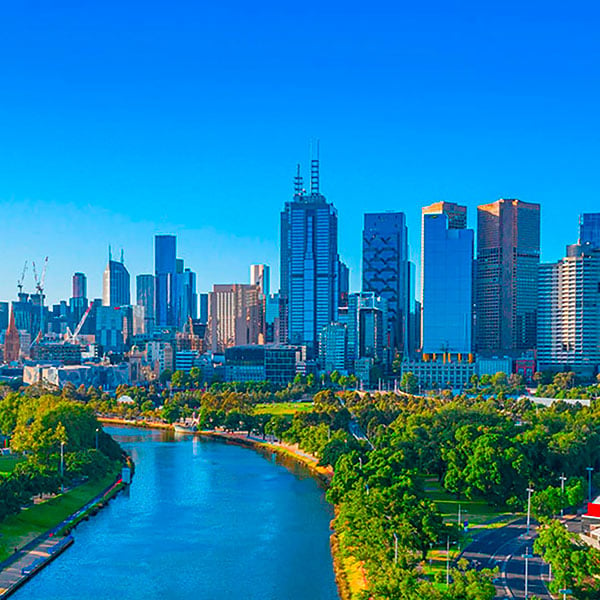
Melbourne
Flights from Melbourneto Seoul
424$
409$
Prime price per passenger
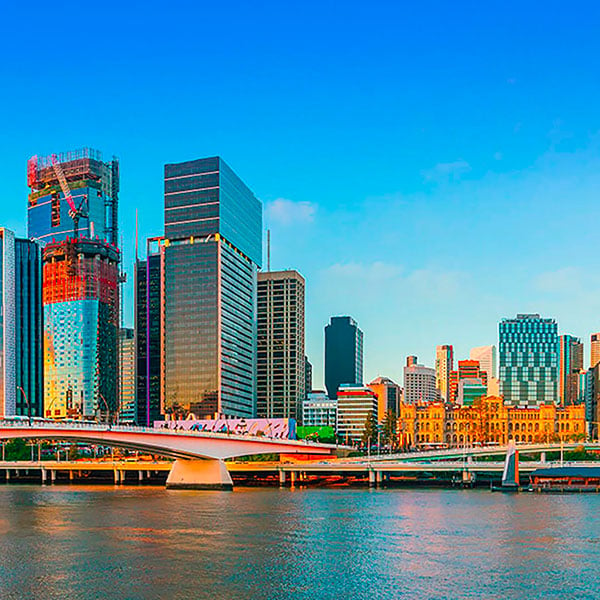
Brisbane
Flights from Brisbaneto Seoul
3958$
3756$
Prime price per passenger
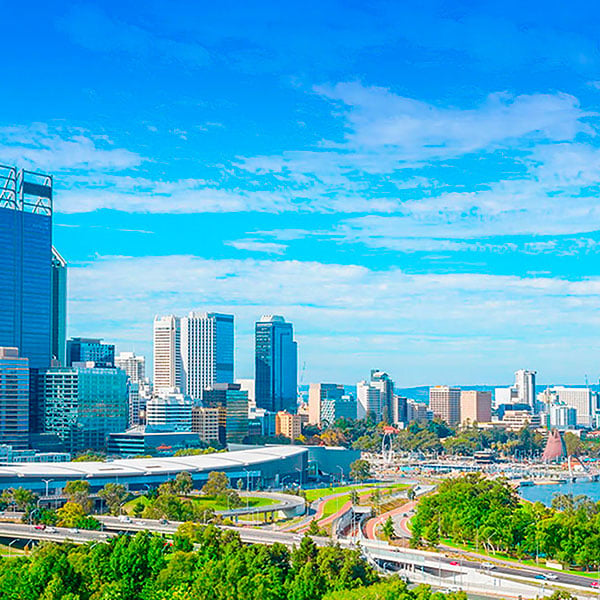
Perth
Flights from Perthto Seoul
522$
510$
Prime price per passenger
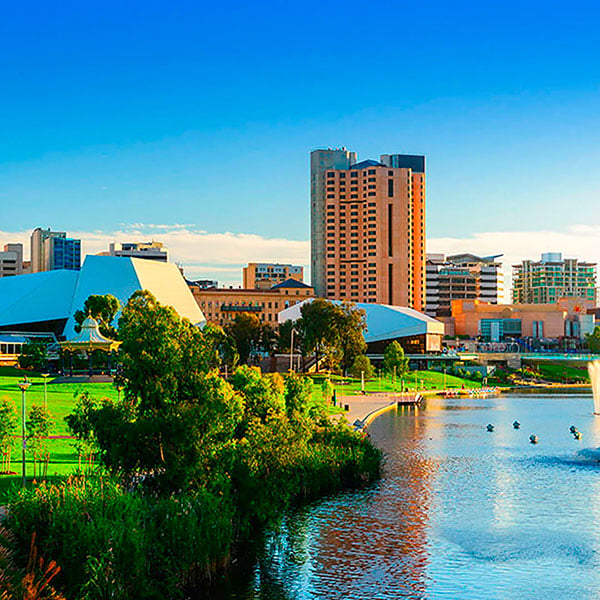
Adelaide
Flights from Adelaideto Seoul
1316$
1253$
Prime price per passenger
Hong Kong
Flights from Hong Kongto Seoul
181$
166$
Prime price per passenger

How long’s the flight to Seoul?

If you’re looking to fly to Seoul, we at Opodo have checked the most popular routes to help you plan your trip. From Sydney, the flight takes roughly 11h 51m; from Brisbane, around 11h 52m; and from Perth, about 11h 55m.
Flight Time (in hours)
SydneyBrisbanePerthMelbourneCairns
0h 5h 10h 15h
11h 51m
11h 52m
11h 55m
12h 58m
14h 29m

How much does a flight to Seoul cost?

At Opodo you can find flights from Sydney to Seoul starting from $362, with an average price of $890. If you depart from other cities such as Brisbane, you can find tickets from $389, and from Perth starting from $411, according to data from the last 72 hours.
Filter by
SydneyBrisbanePerthMelbourneAdelaide
$890
$884
$831
$755
$820
SydneyCheapest
Cheapest Price: $362
Cheapest
Average

Find cheap flights to Seoul

The metropolitan landscape of Seoul provides a major entry point to East Asia, where high-tech infrastructure meets a skyline defined by both rugged mountains and glass-clad skyscrapers. As a global hub for innovation and design, the city functions as the central nervous system of the peninsula, balancing its role as a fast-paced economic power with deep-rooted cultural traditions.

Historical depth is anchored by architectural treasures such as Gyeongbokgung Palace, which stands as a testament to royal heritage amidst the modern bustle. Visitors often find themselves drawn to the narrow, winding alleys of Bukchon Hanok Village or the vibrant artistic energy of Insadong, while the N Seoul Tower offers a definitive vantage point over the urban sprawl. These landmarks illustrate a unique evolution from an ancient dynastic capital to a contemporary cultural juggernaut.

The character of the city is shaped by a relentless pursuit of the new, yet it remains deeply respectful of its scholarly and spiritual past. Whether exploring the neon-lit markets of Myeong-dong or finding quietude in the gardens of a mountain temple, travellers encounter a destination where culinary excellence and centuries-old customs coexist seamlessly. This duality ensures a journey defined by constant discovery and sensory richness.

When to visit Seoul: peak seasons and quiet spells

The high season in Seoul

The high season arrives with the delicate cherry blossoms of spring and the vivid foliage of autumn, periods when the city enjoys mild temperatures ranging from 15°C to 22°C. Visitors landing at Incheon International Airport are greeted by a landscape in transition, where the crisp air encourages immediate exploration of the sprawling metropolis. During these months, the city pulses with energy as residents and travellers alike flock to the banks of the Han River for picnics and evening strolls under the clear skies.

Culturally, this peak period is defined by a festive atmosphere, marked by major events like the Seoul Lantern Festival and various outdoor performances at Gyeongbokgung Palace. The pace of life feels celebratory and rhythmic, with traditional tea houses and modern rooftop bars operating at full capacity to make the most of the temperate conditions. It is a time when the architectural contrast between ancient pavilions and glass skyscrapers is most striking, framed by the natural beauty of the surrounding granite peaks.

The low season in Seoul

During the low season, particularly the humid summer months and the biting cold of winter, the city shifts its focus indoors. In July and August, temperatures often exceed 30°C with high humidity and monsoon rains, while winter sees the mercury drop well below -5°C, bringing occasional snow that blankets the city in a quiet, white layer. Upon arrival, the transition from the climate-controlled terminal to the outdoor air provides an immediate sense of the season’s intensity, prompting a move towards the city’s vast underground networks.

Social life adapts to these extremes by retreating into the sophisticated interior spaces that define the local lifestyle. The winter months transform Seoul into a hub for indoor cultural exhibitions and cosy socialising in heated traditional markets, while the summer heat drives crowds into sprawling multi-level shopping complexes and cinema districts. Despite the challenging weather, the city remains remarkably efficient, offering a more tranquil experience for those who prefer to see the landmarks without the peak-season crowds.

Transport to and from Seoul Airport

The capital is served by two distinct air gateways, with most international arrivals landing at a massive coastal hub while domestic connections often utilise a more central airfield. Whether you are arriving on a long-haul journey or a quick hop from a nearby Asian city, your flight to Seoul will land at either a world-class transit facility or a streamlined urban terminal.

Incheon International Airport (ICN)

The Incheon International Airport (ICN) is the primary gateway for international travellers and one of the busiest aviation hubs in the world. Located approximately 48 km west of the city centre on a custom-built island in Incheon, it serves as the main base for Korean Air and Asiana Airlines. The facility consists of two massive terminals, Terminal 1 and Terminal 2, which are connected by a shuttle train and serve a vast network of global destinations.

Upon clearing arrivals, the most efficient way to reach the city is via the AREX (Airport Railroad Express), which offers non-stop services to Seoul Station in approximately 45 to 50 minutes. All-stop trains are also available, providing access to stops such as Hongdae and Gimpo International Airport along the way. Alternatively, an extensive network of Airport Limousine Buses provides direct transport to various neighbourhoods and major hotels, with journey times typically ranging from 60 to 90 minutes depending on traffic. Taxis are readily available at designated stands outside both terminals, offering a door-to-door service to central areas like Myeong-dong or Gangnam.

Gimpo International Airport (GMP)

Situated significantly closer to the urban core, Gimpo International Airport (GMP) is located about 15 km west of central Seoul in the Gangseo-gu district. While it formerly served as the city’s primary international hub, it now focuses largely on domestic routes plus short-haul international shuttle flights to Seoul from cities such as Tokyo, Osaka, Shanghai, and Taipei. The airport is divided into a Domestic Terminal and an International Terminal, both of which are known for their quick processing times and proximity to the city centre area.

For those landing at this airport, the transition into the city is exceptionally fast, with Line 5 and Line 9 of the Seoul Metropolitan Subway providing direct links to the city’s extensive rail network. A trip to Gangnam via the express service on Line 9 takes roughly 30 minutes, while Line 5 connects directly to the Gwanghwamun business district. The AREX line also stops here, whisking passengers to Seoul Station in about 20 minutes. Numerous local and limousine buses service the terminals, and the short distance to the centre makes taxi travel a very practical and relatively quick option for most visitors.

Top things to do in Seoul

The transition from Incheon International Airport into the high-octane energy of Seoul feels like a leap into a future where ancient traditions still hold their ground. The city skyline, a glittering blend of neon and steel framed by jagged granite peaks, promises a journey that balances relentless innovation with quiet, centuries-old grace.

  • Gyeongbokgung Palace serves as a grand introduction to the city’s royal past, where the colourful changing of the guard ceremony unfolds against a backdrop of minimalist stone courtyards and ornate wooden pavilions.
  • Bukchon Hanok Village invites travellers to wander through a living museum of traditional Korean houses, where narrow winding alleys offer a peaceful glimpse into a bygone era amidst the modern urban sprawl.
  • Myeong-dong captures the sensory intensity of the capital, presenting a dizzying array of street food stalls and luminous shopfronts that define the city’s contemporary pulse and global influence.
  • N Seoul Tower stands atop Namsan Mountain, providing a panoramic vantage point where the vast scale of the metropolis becomes clear, especially as the sun sets and the Han River begins to shimmer.
  • Dongdaemun Design Plaza, an undulating silver landmark designed by Zaha Hadid, showcases the architectural ambition that has turned the city into a global hub for art, fashion, and technology.
  • Insadong offers a slower pace, where hidden teahouses and antique galleries line the streets, providing a space to discover local crafts and the delicate flavours of traditional Korean tea culture.
  • Gwangjang Market provides an authentic immersion into the local way of life, where the scent of sizzling mung bean pancakes and the lively chatter of vendors create an unforgettable culinary atmosphere.
  • The Han River acts as the city’s blue heart, where expansive riverside parks offer a serene escape for cycling or picnicking while watching the city’s many bridges light up in the evening.

Plan your trip to Seoul now

Finding the best flight deals to Seoul is straightforward when you line up carriers and departure times across the Opodo results in one place. Travel regularly and Opodo Prime will put further savings and member-only benefits at your disposal, making the trip across the globe more rewarding again. Every great adventure begins with a seamless booking experience, leaving you free to picture the palaces, night markets and neon of South Korea.

FAQ's about Seoul

How can I find cheap flights to Seoul at Opodo?
At Opodo you can find flights from $155 to Seoul. Our offers are the result of a combination of different technologies, machine learning algorithms and real searches form our customers in our platform, so you can get the options that better suits your needs when flying to Seoul.
When's the best time to go to Seoul?
We checked our customers' flight searches, and the winner of best time to fly to Seoul is... April.
The next best month to travel to Seoul is March.
And let's not forget February, the third top choice for when to go to Seoul.
However if you prefer things on the less busy side, we can also tell you (quietly) that the least popular month for flights to Seoul is November.
What are the cheapest airlines flying to Seoul?

Looking at the prices of our customers' bookings from Australia to Seoul, your best bet for cheap flights is:

  • Shenzhen Airlines: average one-way price of $614.26 , with Melbourne to Seoul an average of $1,111.07 and Darwin from $1,653.47.
  • Sichuan Airlines (one-way average: $713.47) : this includes an average price from Melbourne to Seoul of $713.47 and also flights from Darwin costing $1,777.31.
  • Air Asia: average cost for one-way was $783.14 , with Perth to Seoul flights costing an average of $757.07 and the price tag from Darwin being $1,777.31.
Which airlines fly to Seoul from Australia?

Airlines flying direct from Australia to Seoul include:

  • Asiana Airlines, which flies from Sydney and Paris to Seoul plus from Busan.
  • Tway Air, which has flights from Sydney and Brisbane as well as Ulaanbaatar to Seoul.
  • Korean Air, with flights from Denpasar-Bali to Seoul and Singapore and also from Manila.

Indirect flights from the Australia to Seoul include:

  • Malaysia Airlines, which flies from Perth and Melbourne and also from Sydney.
  • Etihad Airways, with flights from Sydney and Melbourne to Seoul plus Adelaide.
  • Hainan Airlines, which has flights from Melbourne and Sydney as well as from Adelaide to Seoul.
What is the weather like in Seoul?
If you're looking for summer vibes, the best time to travel to Seoul is in August, July and June, when the average temperature reaches 29º, while January, October and March are the 3 sunniest months of the year, with an average of 25 hours. If you prefer colder temperatures, however, make sure you visit Seoul during the months of January, December and February to experience an average of -4º. For those who don't care too much about temperatures, but want to avoid getting wet in the rain, it's important to avoid travelling during July, August and September, when the average precipitation in Seoul is 301mm, while the months of January, December and February are drier, with an average of 23mm.

Plan your trip

Other popular routes to explorePopular CitiesPopular Flight Routes