Opodo is now available in the following countries:
Europe

Or you can visit ourglobal site
Book cheap flights to Groote Eylandt
Flights
Hotels
Flight + Hotel
Car rental
Date
Date
1
Popular flight routes to Groote Eylandt
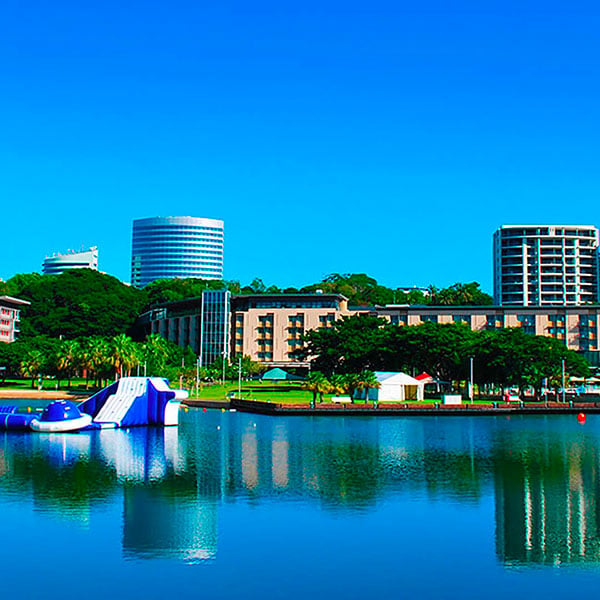
Flights from Darwinto Groote EylandtPrime price per passenger
608$
587$
FAQ's about Groote Eylandt
How can I find cheap flights to Groote Eylandt at Opodo?
Opodo combines different technologies to find the cheapest options to Groote Eylandt based on real searches from customers in our platform. Our offers have a combination of different airlines so you can pick the flight that better suits your needs.
When's the best time to go to Groote Eylandt?
We checked our customers' flight searches, and the winner of best time to fly to Groote Eylandt is... April.
The next best month to travel to Groote Eylandt is March.
And let's not forget February, the third top choice for when to go to Groote Eylandt.
However if you prefer things on the less busy side, we can also tell you (quietly) that the least popular month for flights to Groote Eylandt is November.
What are the cheapest airlines flying to Groote Eylandt?
Looking at the prices of our customers' bookings from Australia to Groote Eylandt, your best bet for cheap flights is:
- Airnorth: average one-way price of $1,466.47 , with Darwin to Groote Eylandt an average of $1,152.12 and Cairns from $2,168.97.
Which airlines fly to Groote Eylandt from Australia?
Indirect flights from the Australia to Groote Eylandt include:
- Airnorth, which flies from Darwin and Katherine and also from Darwin.
Plan your trip
Popular CitiesPopular Flight Routes
- Flights to Darwin
- Flights to Numbulwar
- Flights to Baniyala
- Flights to Bickerton Island
- Flights to Gapuwiyak
- Flights to Nhulunbuy, NT
- Flights to Ngukurr
- Flights to Roper Bar
- Flights to Borroloola
- Flights to Elcho Island
- Flights to Ramingining
- Flights to Mainoru
- Flights to Milingimbi Island
- Flights to Mcarthur River Mine
- Flights to Mount Valley
- Flights to Roper Valley
- Flights to Robinson River
- Flights to Moroak
- Flights to Nutwood Downs
- Flights to Maningrida
- Flights to Wollogorang
- Flights to Oenpelli
- Flights to Daly Waters
- Flights to South Goulburn Island