Book cheap flights to Chiang Mai

Explore the best deals

Discover the cheapest flights to Chiang Mai

Filter by
The prices shown on this page were available within the last 20 days for the specified periods and should not be considered the final price offered. Please note that availability and prices are subject to change.

Popular flight routes to Chiang Mai

Sydney
Flights from Sydneyto Chiang Mai
958$
924$
Prime price per passenger
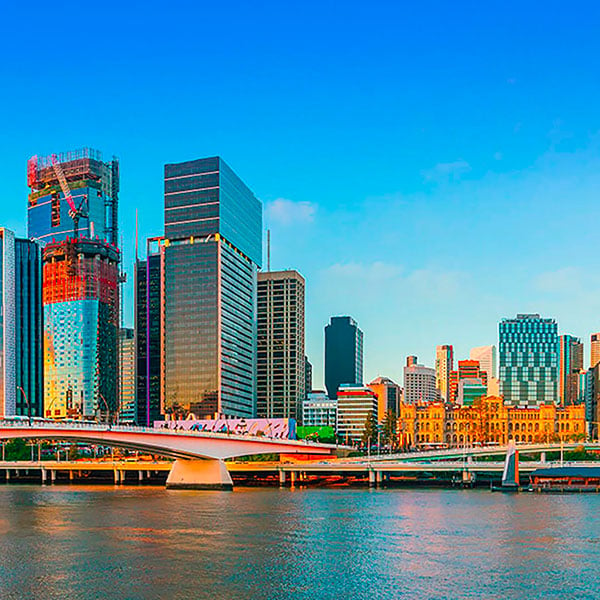
Brisbane
Flights from Brisbaneto Chiang Mai
997$
964$
Prime price per passenger
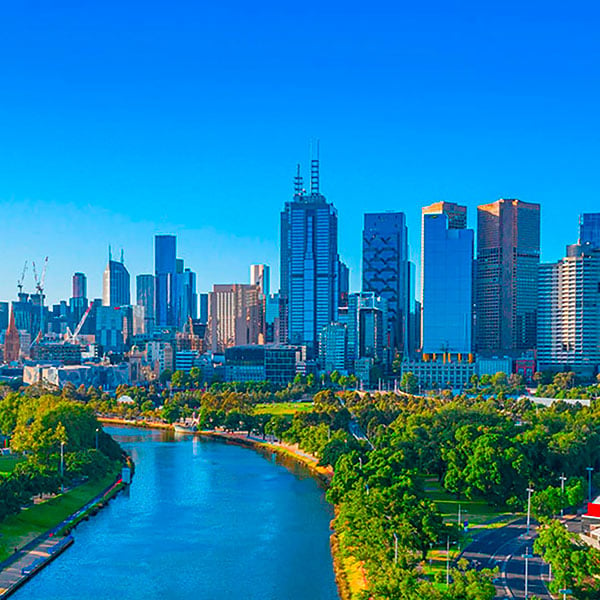
Melbourne
Flights from Melbourneto Chiang Mai
642$
623$
Prime price per passenger
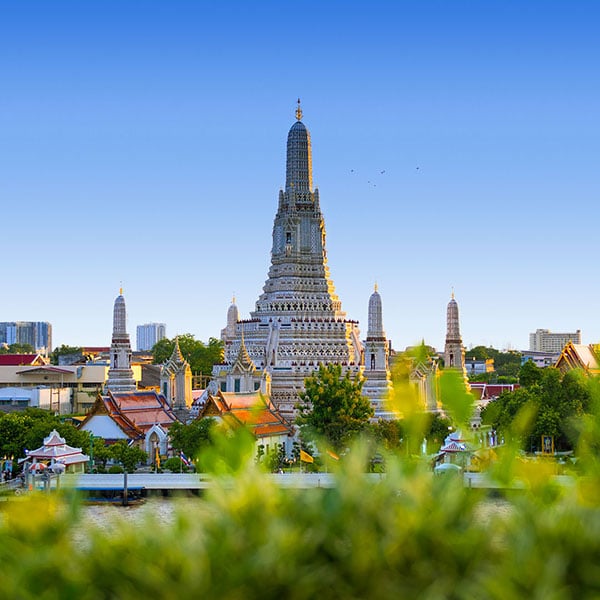
Bangkok
Flights from Bangkokto Chiang Mai
63$
58$
Prime price per passenger
Perth
Flights from Perthto Chiang Mai
422$
405$
Prime price per passenger
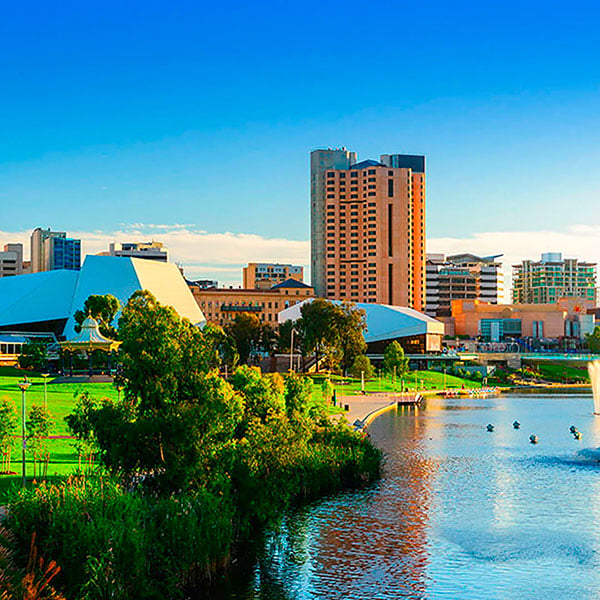
Adelaide
Flights from Adelaideto Chiang Mai
768$
722$
Prime price per passenger

How long’s the flight to Chiang Mai?

If you’re looking to fly to Chiang Mai, we at Opodo have checked the most popular routes to help you plan your trip. From Perth, the flight takes roughly 8h 30m; from Adelaide, around 10h 36m; and from Melbourne, about 11h 8m.
Flight Time (in hours)
PerthAdelaideMelbourneSydneyBrisbane
0h 5h 10h 15h
8h 30m
10h 36m
11h 8m
11h 26m
11h 42m

How much does a flight to Chiang Mai cost?

At Opodo you can find flights from Perth to Chiang Mai starting from $267, with an average price of $554. If you depart from other cities such as Sydney, you can find tickets from $315, and from Brisbane starting from $348, according to data from the last 72 hours.
Filter by
PerthSydneyBrisbaneMelbourneDarwin
$554
$857
$673
$950
$697
PerthCheapest
Cheapest Price: $267
Cheapest
Average

Find cheap flights to Chiang Mai

The mountainous north reveals Chiang Mai as a significant cultural capital that acts as the primary entry point to the region’s highlands. This ancient city remains a central hub for travellers seeking a slower pace of life compared to the coastal south, blending a deep sense of heritage with modern northern hospitality.

The historic heart of the city is defined by a perfectly square Old City moat, where the revered Wat Phra Singh houses the famous Lion Buddha statue. Visitors often explore the intricate silver craftsmanship of Wat Sri Suphan or climb the winding stairs of Wat Phra That Doi Suthep, a 14th-century temple that offers a commanding view over the valley from its golden stupa.

This destination is defined by its unique synthesis of Lanna traditions and a thriving contemporary arts scene. The bustling Sunday Walking Street and the archaeological remains at Wiang Kum Kam lie only a few kilometres apart, giving the city an unusually compact field for historical discovery and culinary exploration.

When to visit Chiang Mai: peak seasons and quiet spells

The cool clarity of the high season

From November through February, Chiang Mai experiences its most popular climate, defined by crisp mornings and pleasant daytime temperatures that rarely exceed 30°C. Upon landing at Chiang Mai International Airport, visitors are often greeted by a refreshing breeze that signals the departure of the tropical humidity. This period coincides with the spectacular Yi Peng and Loy Krathong festivals, where thousands of lanterns illuminate the night sky and the rivers are filled with flickering candles. The city takes on a celebratory, lively energy, with night markets and outdoor events stretching late into the evening under clear, star-filled skies.

Life during these months centres on the outdoors, as the manageable heat makes exploring the Old City on foot or by bicycle a comfortable pursuit. The surrounding mountains, including the towering Doi Inthanon, become lush retreats where temperatures can drop towards 0°C at the highest peaks. This seasonal peak brings an international atmosphere to the cafes and galleries of the Nimman Haemin district, creating a cosmopolitan hum that balances the city’s ancient temple traditions. It is a time of maximum visibility and bright, photographic light that showcases the northern landscape at its most accessible.

Low season in Chiang Mai: lush rhythms

As the monsoon rains arrive between June and October, the pace of the city shifts into a more relaxed, contemplative rhythm. While downpours can be intense, they are often brief, typically occurring in the late afternoon and leaving the air scrubbed clean and significantly cooler. The landscape undergoes a dramatic transformation, with the surrounding rice paddies and forest canopies turning a deep, vivid green that defines the northern tropical aesthetic. For those arriving by air, the descent offers views of a verdant basin crisscrossed by the swelling Ping River.

This quieter period allows for a more intimate connection with local culture away from the largest crowds. The social life of the city moves indoors to the many boutique tea houses and craft workshops, where the sound of rain on corrugated roofs provides a rhythmic backdrop to daily life. It is an ideal time for visiting landmarks like Wat Phra That Doi Suthep, as the mist frequently clings to the mountainside, creating a serene and ethereal atmosphere. The low season reveals a softer side of the regional identity, where the emphasis shifts from sightseeing to slow-paced immersion in the natural beauty of the north.

Transport to and from Chiang Mai Airport

Situated just a few kilometres south-west of the historic old city, the primary air gateway provides an exceptionally short transit for those arriving on a flight to Chiang Mai. This proximity allows travellers to transition from the terminal to the heart of the northern capital in a matter of minutes, making it one of the most accessible urban airports in the region.

Chiang Mai International Airport (CNX)

Chiang Mai International Airport (CNX) is located approximately 4 km from the city centre, positioned within the Mueang Chiang Mai District. As the major hub for Northern Thailand, it serves as a critical link for both domestic routes from Bangkok and international flights to Chiang Mai arriving from major Asian cities. The airport is organised into two interconnected terminals—one for domestic arrivals and one for international traffic—housed within a single, easily navigable building. It serves as a significant base for carriers such as Thai Airways, AirAsia, and Bangkok Airways, ensuring frequent connections throughout the day.

Upon exiting the arrivals hall, travellers can easily access the Chiang Mai City Bus (RTC), which operates air-conditioned routes connecting the airport to the Old City, Nimman Haemin, and the Chiang Mai Arcade Bus Terminal. The journey into the Old City typically takes between 15 and 25 minutes depending on the time of day. For a more direct route, official Airport Taxis operate on a fixed-fare system based on the destination zone, while ride-hailing services are also a popular way to reach specific accommodations. Additionally, the distinctive red Songthaews (shared taxi trucks) are frequently available outside the terminal, offering a flexible, local way to reach the Night Bazaar or other central districts.

Top things to do in Chiang Mai

Descending through the clouds over northern Thailand, the lush, mountain-fringed landscape signals a shift towards a city where ancient heritage breathes alongside a creative modern spirit. Stepping off the plane, travellers are met by cool mountain air and the sight of golden spires rising above the trees, revealing a destination that feels significantly more intimate and storied than the bustling capital.

  • Wat Phra That Doi Suthep perches high above the valley, serving as a spiritual beacon that offers panoramic views of the sprawling city below. The intricate gold leaf details and the rhythmic sound of temple bells create a serene atmosphere that rewards those who journey up the winding mountain road.
  • The Old City Walls and the surrounding moat define the historic heart of the city, where centuries-old brick ruins stand as silent witnesses to the former Lanna Kingdom. The lanes inside these gateways still follow their original Lanna plan, revealing hidden temples and traditional timber houses tucked away from the main thoroughfares.
  • The Sunday Walking Street transforms the central arteries into a vibrant tapestry of local life, filled with the scent of northern spices and the sight of handmade textiles. This weekly gathering is the cultural pulse of the region, showcasing the incredible craftsmanship and culinary heritage that define the local identity.
  • Wat Chedi Luang dominates the skyline with its massive, weathered stone structure, which was once the tallest building in the ancient city. Even in its partially ruined state, the temple exudes a powerful sense of history, especially when the evening light hits the elephant sculptures guarding its base.
  • Nimman Haemin Road represents the contemporary side of the city, where boutique galleries and artisanal coffee roasters line the streets. It is the centre of the local arts scene, offering a sophisticated contrast to the traditional markets and a glimpse into the modern creative energy driving the community forward.
  • The Night Bazaar offers a sensory immersion into the commercial heritage of the area, stretching across several blocks with an endless array of silverwork, silks, and street food. The energy here is infectious, providing a lively introduction to the northern hospitality that greets every visitor upon arrival.

Plan your trip to Chiang Mai now

If you are looking to explore the cultural heart of Chiang Mai, securing a great deal on your flight is the perfect way to start. Booking well in advance and keeping an eye on various travel dates helps you capture the most competitive fares available. Travellers who are often airborne can join Opodo Prime, where added savings and member benefits give each trip north a touch more value.

FAQ's about Chiang Mai

How can I find cheap flights to Chiang Mai at Opodo?
At Opodo you can find flights from $56 to Chiang Mai. Our offers are the result of a combination of different technologies, machine learning algorithms and real searches form our customers in our platform, so you can get the options that better suits your needs when flying to Chiang Mai.
When's the best time to go to Chiang Mai?
We checked our customers' flight searches, and the winner of best time to fly to Chiang Mai is... April.
The next best month to travel to Chiang Mai is March.
And let's not forget February, the third top choice for when to go to Chiang Mai.
However if you prefer things on the less busy side, we can also tell you (quietly) that the least popular month for flights to Chiang Mai is November.
What are the cheapest airlines flying to Chiang Mai?

Looking at the prices of our customers' bookings from Australia to Chiang Mai, your best bet for cheap flights is:

  • Air Asia: average one-way price of $554.53 , with Perth to Chiang Mai an average of $554.53 and Darwin from $1,371.97.
  • TransNusa (one-way average: $684.97) : this includes an average price from Perth to Chiang Mai of $684.97 and also flights from Melbourne costing $1,084.53.
  • Scoot: average cost for one-way was $824.98 , with Perth to Chiang Mai flights costing an average of $735.99 and the price tag from Sydney being $791.25.
Which airlines fly to Chiang Mai from Australia?

Airlines flying direct from Australia to Chiang Mai include:

  • Thai AirAsia, which flies from Bangkok and U-Tapao, Rayong - Pattaya to Chiang Mai plus from Osaka.
  • Thai Lion Air, which has flights from Bangkok and U-Tapao, Rayong - Pattaya as well as Osaka to Chiang Mai.
  • Thai Vietjet Air, with flights from Singapore to Chiang Mai and Hanoi and also from Khon Kaen.

Indirect flights from the Australia to Chiang Mai include:

  • Thai AirAsia, which flies from Sydney and Perth and also from Melbourne.
  • China Eastern Airlines, with flights from Sydney and Melbourne to Chiang Mai plus Denpasar-Bali.
  • Etihad Airways, which has flights from Sydney and Perth as well as from Denpasar-Bali to Chiang Mai.
What is the weather like in Chiang Mai?
If you're looking for summer vibes, the best time to travel to Chiang Mai is in April, March and May, when the average temperature reaches 35º, while January, December and March are the 3 sunniest months of the year, with an average of 30 hours. If you prefer colder temperatures, however, make sure you visit Chiang Mai during the months of January, December and February to experience an average of 15º. For those who don't care too much about temperatures, but want to avoid getting wet in the rain, it's important to avoid travelling during August, September and July, when the average precipitation in Chiang Mai is 193mm, while the months of January, February and December are drier, with an average of 12mm.

Plan your trip

Other popular routes to explorePopular CitiesPopular Flight Routes