Book cheap flights to Johannesburg

Explore the best deals

Discover the cheapest flights to Johannesburg

Filter by
The prices shown on this page were available within the last 20 days for the specified periods and should not be considered the final price offered. Please note that availability and prices are subject to change.

Popular flight routes to Johannesburg
Brisbane
Flights from Brisbaneto Johannesburg
2282$
2167$
Prime price per passenger
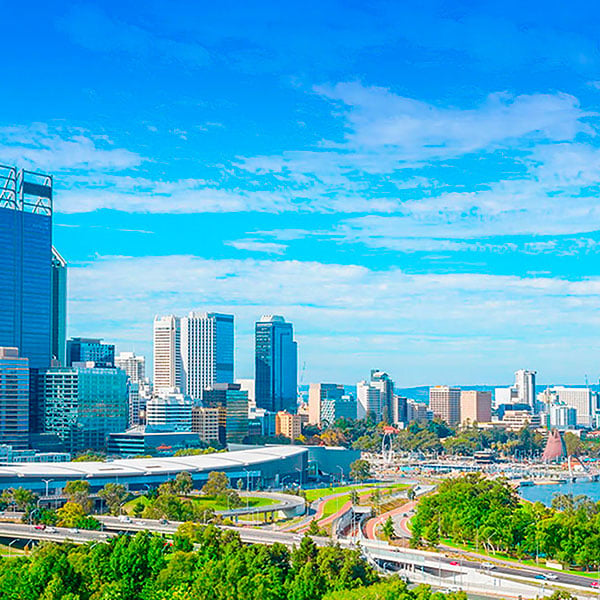
Perth
Flights from Perthto Johannesburg
1422$
1354$
Prime price per passenger
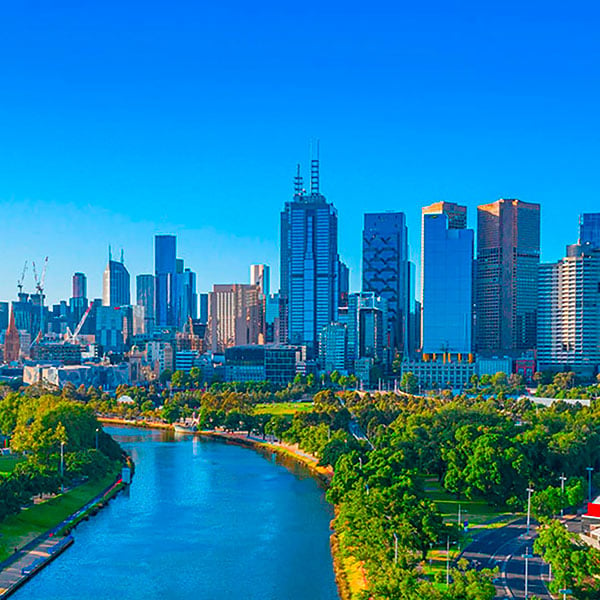
Melbourne
Flights from Melbourneto Johannesburg
1220$
1152$
Prime price per passenger
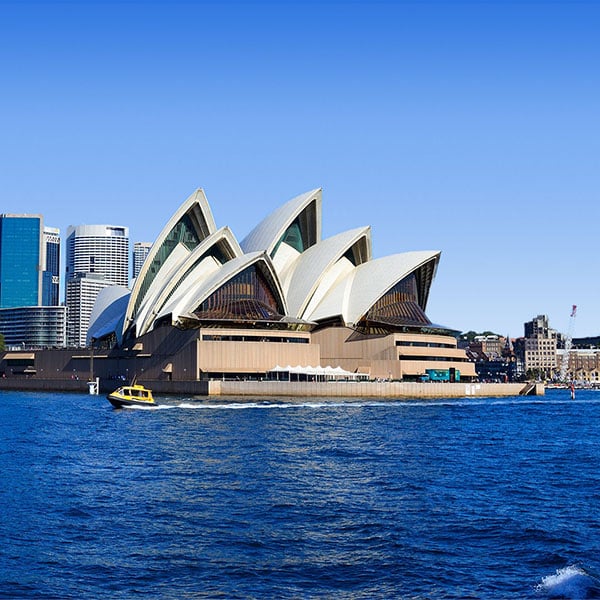
Sydney
Flights from Sydneyto Johannesburg
1888$
1786$
Prime price per passenger
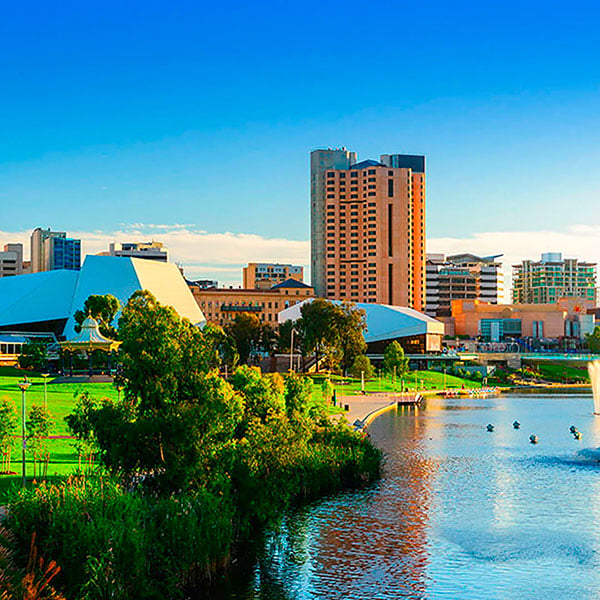
Adelaide
Flights from Adelaideto Johannesburg
1363$
1313$
Prime price per passenger
Cairns
Flights from Cairnsto Johannesburg
1679$
1607$
Prime price per passenger

How long’s the flight to Johannesburg?

If you’re looking to fly to Johannesburg, we at Opodo have checked the most popular routes to help you plan your trip. From Perth, the flight takes roughly 18h 24m; from Melbourne, around 22h 19m; and from Adelaide, about 22h 39m.
Flight Time (in hours)
PerthMelbourneAdelaideSydneyBrisbane
0h 5h 10h 15h 20h 25h
18h 24m
22h 19m
22h 39m
22h 41m
22h 55m

How much does a flight to Johannesburg cost?

At Opodo you can find flights from Brisbane to Johannesburg starting from $1,011, with an average price of $1,729. If you depart from other cities such as Sydney, you can find tickets from $1,015, and from Perth starting from $1,031, according to data from the last 72 hours.
Filter by
BrisbaneSydneyPerthMelbourneAdelaide
$1,729
$1,928
$2,078
$1,379
$1,464
BrisbaneCheapest
Cheapest Price: $1,011
Cheapest
Average

Find cheap flights to Johannesburg

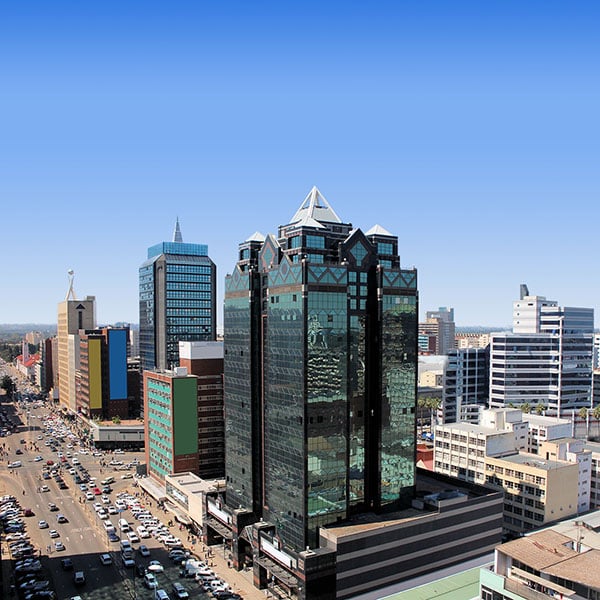
Flying into the high-altitude heart of the continent brings travellers to Johannesburg, a sprawling metropolis that acts as the primary entry point for international exploration. This urban powerhouse is the financial and cultural engine of the region, defined by a skyline of glass skyscrapers and a vast urban forest that stretches across the Witwatersrand hills.

The city’s complex identity is etched into landmarks like the Apartheid Museum and Constitution Hill, where history is preserved with stark architectural honesty. Cultural vitality thrives in districts such as Maboneng, known for its industrial-chic art galleries, and the historic streets of Soweto, which house the Vilakazi Street heritage precinct and the Orlando Towers.

Johannesburg wears its contradictions openly, pairing hard industrial edges with a restless creative confidence rooted in South African resilience and invention. Many travellers come for the hominin fossil sites of the nearby Cradle of Humankind and stay for the contemporary fashion and culinary scenes; either way, the city is an essential stop for understanding the nation’s evolution.

When to visit Johannesburg: peak seasons and quiet spells

Sunny winter days and the lively high season

The arrival of the high season in Johannesburg coincides with the dry winter months, typically spanning from May to September. During this period, the city is bathed in consistent sunshine with crisp, clear blue skies, offering a sharp contrast to the biting cold of the northern hemisphere winter. While night-time temperatures can drop significantly, the daytime remains mild and pleasant, making it the ideal climate for exploring the city’s extensive outdoor heritage sites and urban precincts.

Visitors landing at OR Tambo International Airport during these months will notice a distinct change in the landscape as the highveld grass turns a brilliant golden hue. The social pace remains energetic, with the dry weather facilitating major outdoor cultural gatherings and sporting events that draw large crowds. Because there is virtually no rainfall, this season is particularly favoured for those planning to combine their city stay with wildlife excursions in nearby reserves, where the thinning vegetation makes spotting animals much easier.

Summer storms and the lush low season

The low season, falling between October and April, transforms Johannesburg into a lush, emerald landscape defined by dramatic afternoon thunderstorms. These powerful electrical storms usually roll in quickly during the late afternoon, cooling the air after the midday heat and leaving the evenings fresh and fragrant. This cycle creates a unique rhythm for daily life, where locals often retreat indoors for a brief period before returning to the streets once the sky clears to reveal spectacular sunsets.

Stepping off a flight during the summer months, travellers are greeted by the sight of the city’s massive urban forest in full bloom, including the purple canopy of Jacaranda trees in late October. The atmosphere is relaxed yet energetic, as the longer daylight hours encourage a thriving café culture and al fresco dining across the city’s leafy northern suburbs. While the humidity is higher, the frequent rain showers keep the parks and botanical gardens in peak condition, offering a sensory experience that defines the subtropical highland climate.

Transport to and from Johannesburg Airport

Southern Africa’s aviation crossroads is anchored by two distinct facilities that manage the bulk of the region’s air traffic. A flight to Johannesburg typically concludes at either the massive central hub to the east or the executive-focused gateway situated to the north-west.

OR Tambo International Airport (JNB)

OR Tambo International Airport (JNB) is the busiest aviation facility in Africa and is located approximately 22 km east of the Johannesburg city centre in the Kempton Park district. As the primary hub for South African Airways, Airlink, and Safair, the airport features a sophisticated multi-terminal layout that seamlessly connects international arrivals with a dense network of regional and domestic routes. It serves as the main port of entry for long-haul carriers from Europe, Asia, and the Americas, making it the most likely destination for those booking flights to Johannesburg.

Upon exiting the arrivals hall, the most efficient transit option is the Gautrain, a rapid rail system that links the airport directly to Sandton in about 15 minutes. From the Sandton Gautrain Station, passengers can transfer to other lines reaching Park Station in the inner city or continue north towards Pretoria. For those preferring direct road transport, official taxi ranks and designated pickup zones for ride-hailing apps are located outside the terminal buildings, with a typical drive to the Central Business District taking between 30 and 45 minutes depending on traffic. Private shuttle services also operate frequently, providing door-to-door transfers to various suburbs and major business hotels.

Lanseria International Airport (HLA)

Situated roughly 30 km north-west of the city centre, Lanseria International Airport (HLA) serves as a convenient alternative for domestic travellers and those heading to the northern suburbs. This privately owned facility primarily handles narrow-body aircraft operated by low-cost carriers such as FlySafair, focusing on high-frequency routes to Cape Town and Durban. Its compact, single-terminal design allows for much faster transit times from the aircraft to the kerbside compared to the larger international hub.

Ground transport from this gateway is primarily road-based, as there is currently no direct rail link serving the terminal. Travellers can utilise the official airport taxi services or ride-hailing platforms to reach Sandton, Fourways, or Randburg, with the journey to Sandton generally taking around 30 to 50 minutes. Several independent shuttle companies offer scheduled transfers to the Sandton Gautrain Station, allowing for further connections across the metropolitan area. Car hire facilities are also prominently positioned just a short walk from the arrivals area for those planning to navigate the region independently.

Top things to do in Johannesburg

  • Apartheid Museum: This architectural marvel uses film, text, and harrowing artefacts to provide a visceral, essential journey through the rise and fall of state-sanctioned segregation. It stands as a profound testament to the resilience of the human spirit and the complex foundations of modern South Africa.
  • Maboneng Precinct: Once a series of neglected industrial warehouses, this district has transformed into a dynamic urban sanctuary filled with contemporary art galleries, rooftop bars, and independent cinemas. The area captures the city’s gritty, artistic rebirth, making it the heartbeat of local fashion and collaborative culture.
  • Constitution Hill: Set on the site of a notorious former prison complex, this living museum is now the home of the Constitutional Court. Visitors can explore the contrasting histories of colonial-era incarceration and the democratic triumph embodied by the light-filled court building.
  • Soweto: A sprawling urban complex with a global reputation, this township offers a deep dive into the soul of the nation through landmarks like Vilakazi Street. It is a place where history is written on every corner, from the former residence of Nelson Mandela to the lively murals and bustling local markets.
  • Neighbourgoods Market: Located in the Braamfontein district, this weekend institution gathers the city’s diverse food artisans and designers under one roof. The terrace offers a perfect vantage point to soak in the rhythmic energy of the city while sampling flavours that reflect its multicultural heritage.
  • Wits Art Museum: Housing one of the world’s finest collections of African beadwork and historical carvings, this space bridges the gap between traditional heritage and avant-garde expression. The rotating exhibitions provide a sophisticated look at the continent’s evolving visual language.

Plan your trip to Johannesburg now

A well-priced flight to Johannesburg comes together quickly with the flexible search tools on Opodo, which let you weigh up carriers and routes into the highveld city and settle on the most convenient connection. Consider joining Opodo Prime to unlock additional savings and exclusive benefits that make frequent air travel even more rewarding. With just a few clicks, you can finalise your booking and start looking forward to the moment your plane touches down in this vibrant urban heart.

FAQ's about Johannesburg

How can I find cheap flights to Johannesburg at Opodo?
At Opodo you can find flights from $130 to Johannesburg. Our offers are the result of a combination of different technologies, machine learning algorithms and real searches form our customers in our platform, so you can get the options that better suits your needs when flying to Johannesburg.
When's the best time to go to Johannesburg?
We checked our customers' flight searches, and the winner of best time to fly to Johannesburg is... April.
The next best month to travel to Johannesburg is March.
And let's not forget February, the third top choice for when to go to Johannesburg.
However if you prefer things on the less busy side, we can also tell you (quietly) that the least popular month for flights to Johannesburg is November.
What are the cheapest airlines flying to Johannesburg?

Looking at the prices of our customers' bookings from Australia to Johannesburg, your best bet for cheap flights is:

  • Air Asia X: average one-way price of $1,674.99 , with Sydney to Johannesburg an average of $1,674.99 and Sydney from $2,368.50.
  • Scoot (one-way average: $2,090.66) : this includes an average price from Perth to Johannesburg of $2,090.66 and also flights from Sydney costing $2,878.88.
  • Qatar Airways: average cost for one-way was $2,193.56 , with Sydney to Johannesburg flights costing an average of $2,028.71 and the price tag from Perth being $2,126.23.
Which airlines fly to Johannesburg from Australia?

Airlines flying direct from Australia to Johannesburg include:

  • South African Airways, which flies from Perth and Accra to Johannesburg plus from Cape Town.
  • Qantas Airways, which has flights from Perth and Sydney as well as Cape Town to Johannesburg.
  • Fly Safair, with flights from Harare to Johannesburg and Cape Town and also from Durban.

Indirect flights from the Australia to Johannesburg include:

  • Qantas Airways, which flies from Perth and Brisbane and also from Melbourne.
  • Etihad Airways, with flights from Perth and Sydney to Johannesburg plus Brisbane.
  • Qatar Airways, which has flights from Perth and Rockhampton, QLD as well as from Sydney to Johannesburg.
What is the weather like in Johannesburg?
If you're looking for summer vibes, the best time to travel to Johannesburg is in January, December and February, when the average temperature reaches 25º, while July, August and May are the 3 sunniest months of the year, with an average of 29 hours. If you prefer colder temperatures, however, make sure you visit Johannesburg during the months of June, July and August to experience an average of 5º. For those who don't care too much about temperatures, but want to avoid getting wet in the rain, it's important to avoid travelling during January, November and December, when the average precipitation in Johannesburg is 116mm, while the months of July, August and June are drier, with an average of 6mm.

Plan your trip

Other popular routes to explorePopular CitiesPopular Flight Routes