Opodo is now available in the following countries:
Europe

Or you can visit ourglobal site
Book cheap flights to San Francisco, CA
Flights
Hotels
Flight + Hotel
Car rental
Date
Date
1
Explore the best deals
Discover the cheapest flights to San Francisco, CA
Filter by
Sun, 6 Dec - Wed, 9 Dec

Frontier AirlinesDirect
Los Angeles, CA - San Francisco, CA
Frontier AirlinesDirect
San Francisco, CA - Los Angeles, CA
-19 % Prime price per passenger
60$
49$
Thu, 19 Nov - Sun, 22 Nov
Frontier AirlinesDirect
San Diego, CA - San Francisco, CA
Frontier AirlinesDirect
San Francisco, CA - San Diego, CA
-18 % Prime price per passenger
67$
55$
Fri, 18 Dec - Thu, 24 Dec
Frontier AirlinesDirect
Los Angeles - Ontario, CA - San Francisco, CA
Frontier AirlinesDirect
San Francisco, CA - Los Angeles - Ontario, CA
99$
95$
Thu, 21 Jan - Tue, 26 Jan

Porter AirlinesDirect
Toronto - San Francisco, CA
Porter AirlinesDirect
San Francisco, CA - Toronto
775$
752$
Fri, 25 Dec - Fri, 1 Jan

British AirwaysDirect
Milan - San Francisco, CA
British AirwaysDirect
San Francisco, CA - Milan
1007$
956$
Mon, 18 Jan - Tue, 26 Jan

Air CanadaDirect
Sydney - San Francisco, CA
Air CanadaDirect
San Francisco, CA - Sydney
1552$
1486$
Sat, 23 Jan
Frontier AirlinesDirect
Las Vegas, NV - San Francisco, CA
-27 % Prime price per passenger
42$
31$
Sat, 12 Dec
Frontier AirlinesDirect
Los Angeles, CA - San Francisco, CA
-11 % Prime price per passenger
41$
37$
Tue, 5 Jan
Frontier AirlinesDirect
Dallas, TX - San Francisco, CA
167$
162$
Fri, 27 Nov
Frontier AirlinesDirect
Phoenix, AZ - San Francisco, CA
181$
166$
Fri, 8 Jan

American AirlinesDirect
New York City - San Francisco, CA
198$
183$
Fri, 18 Dec
Air CanadaDirect
Toronto - San Francisco, CA
252$
245$
The prices shown on this page were available within the last 20 days for the specified periods and should not be considered the final price offered. Please note that availability and prices are subject to change.
Popular flight routes to San Francisco, CA
Flights from Sydneyto San Francisco, CAPrime price per passenger
2061$
1961$
Flights from Brisbaneto San Francisco, CAPrime price per passenger
1004$
969$
Flights from Melbourneto San Francisco, CAPrime price per passenger
1691$
1617$
Flights from Adelaideto San Francisco, CAPrime price per passenger
1187$
1131$
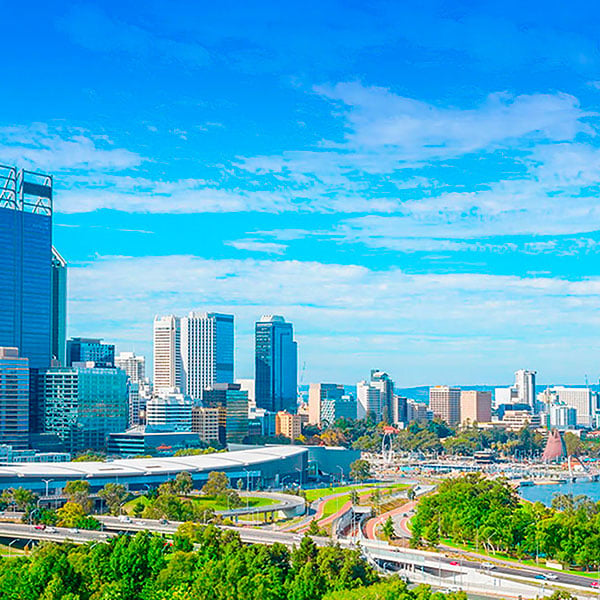
Flights from Perthto San Francisco, CAPrime price per passenger
1222$
1168$

Flights from Denpasar-Balito San Francisco, CAPrime price per passenger
792$
761$

How long’s the flight to San Francisco, CA?
If you’re looking to fly to San Francisco, CA, we at Opodo have checked the most popular routes to help you plan your trip. From Brisbane, the flight takes roughly 16h 40m; from Sydney, around 16h 41m; and from Melbourne, about 18h 14m.Flight Time (in hours)
BrisbaneSydneyMelbourneAdelaidePerth
How much does a flight to San Francisco, CA cost?
At Opodo you can find flights from Sydney to San Francisco, CA starting from $546, with an average price of $2,150. If you depart from other cities such as Brisbane, you can find tickets from $591, and from Melbourne starting from $627, according to data from the last 72 hours.Filter by
SydneyBrisbaneMelbourneGold Coast - CoolangattaAdelaide
SydneyCheapest
Cheapest Price: $546CheapestAverage
FAQ's about San Francisco, CA
How can I find cheap flights to San Francisco, CA at Opodo?
At Opodo you can find flights from $31 to San Francisco, CA. Our offers are the result of a combination of different technologies, machine learning algorithms and real searches form our customers in our platform, so you can get the options that better suits your needs when flying to San Francisco, CA.
When's the best time to go to San Francisco, CA?
We checked our customers' flight searches, and the winner of best time to fly to San Francisco, CA is... April.
The next best month to travel to San Francisco, CA is March.
And let's not forget February, the third top choice for when to go to San Francisco, CA.
However if you prefer things on the less busy side, we can also tell you (quietly) that the least popular month for flights to San Francisco, CA is November.
What are the cheapest airlines flying to San Francisco, CA?
Looking at the prices of our customers' bookings from Australia to San Francisco, CA, your best bet for cheap flights is:
- Air Canada: average one-way price of $1,771.49 , with Melbourne to San Francisco, CA an average of $1,547.64 and Brisbane from $1,661.33.
- Alaska Airlines (one-way average: $1,891.31) : this includes an average price from Sydney to San Francisco, CA of $1,868.69 and also flights from Melbourne costing $1,905.02.
- Xiamen Airlines: average cost for one-way was $1,903.64 , with Sydney to San Francisco, CA flights costing an average of $1,903.64 and the price tag from Melbourne being $1,919.11.
Which airlines fly to San Francisco, CA from Australia?
Airlines flying direct from Australia to San Francisco, CA include:
- Alaska Airlines, which flies from Sydney and Honolulu, HI to San Francisco, CA plus from Anchorage, AK.
- Frontier Airlines, which has flights from Seoul and Honolulu, HI as well as Seattle, WA to San Francisco, CA.
- American Airlines, with flights from Los Angeles, CA to San Francisco, CA and Seattle, WA and also from Honolulu, HI.
Indirect flights from the Australia to San Francisco, CA include:
- Air New Zealand, which flies from Adelaide and Melbourne and also from Sydney.
- Alaska Airlines, with flights from Sydney and Melbourne to San Francisco, CA plus Brisbane.
- Fiji Airways, which has flights from Sydney and Perth as well as from Taipei to San Francisco, CA.
What is the weather like in San Francisco, CA?
If you're looking for summer vibes, the best time to travel to San Francisco, CA is in September, October and August, when the average temperature reaches 21º, while July, August and June are the 3 sunniest months of the year, with an average of 30 hours.
If you prefer colder temperatures, however, make sure you visit San Francisco, CA during the months of January, December and February to experience an average of 8º.
For those who don't care too much about temperatures, but want to avoid getting wet in the rain, it's important to avoid travelling during December, January and February, when the average precipitation in San Francisco, CA is 114mm, while the months of July, August and June are drier, with an average of 2mm.
Plan your trip
Other popular routes to explorePopular CitiesPopular Flight Routes