Book cheap flights to Oslo

Explore the best deals

Discover the cheapest flights to Oslo

Filter by
The prices shown on this page were available within the last 20 days for the specified periods and should not be considered the final price offered. Please note that availability and prices are subject to change.

Popular flight routes to Oslo
Melbourne
Flights from Melbourneto Oslo
2324$
2204$
Prime price per passenger
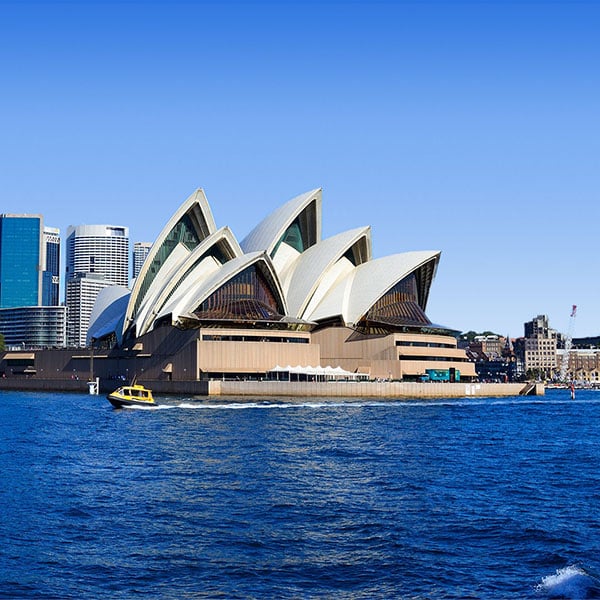
Sydney
Flights from Sydneyto Oslo
1245$
1193$
Prime price per passenger
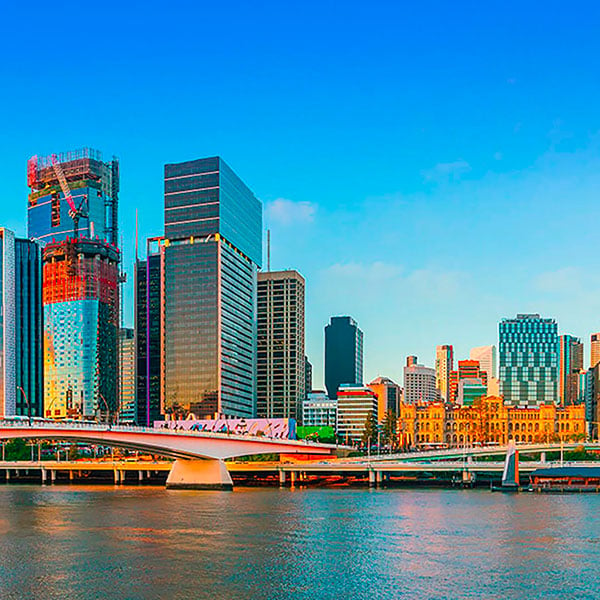
Brisbane
Flights from Brisbaneto Oslo
1009$
963$
Prime price per passenger
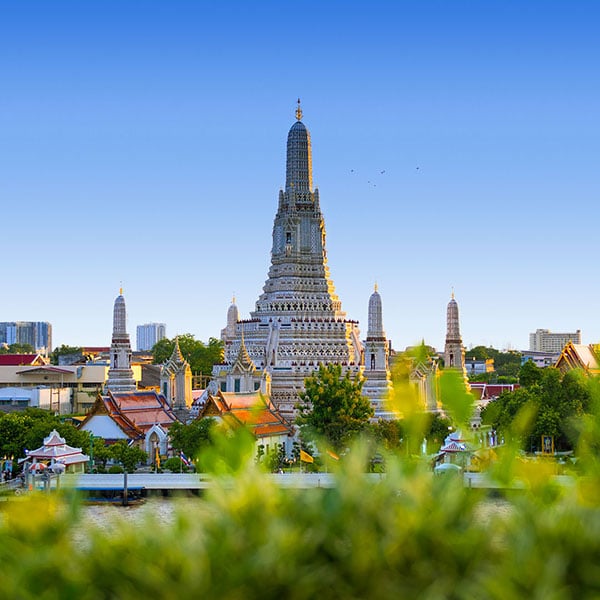
Bangkok
Flights from Bangkokto Oslo
414$
397$
Prime price per passenger
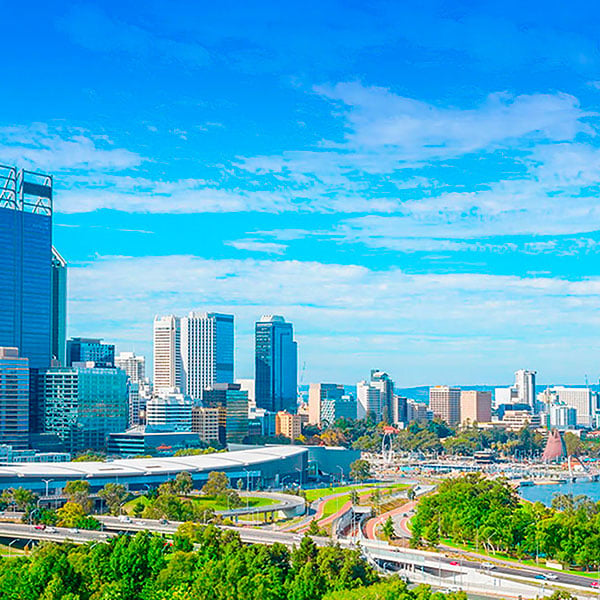
Perth
Flights from Perthto Oslo
1118$
1064$
Prime price per passenger
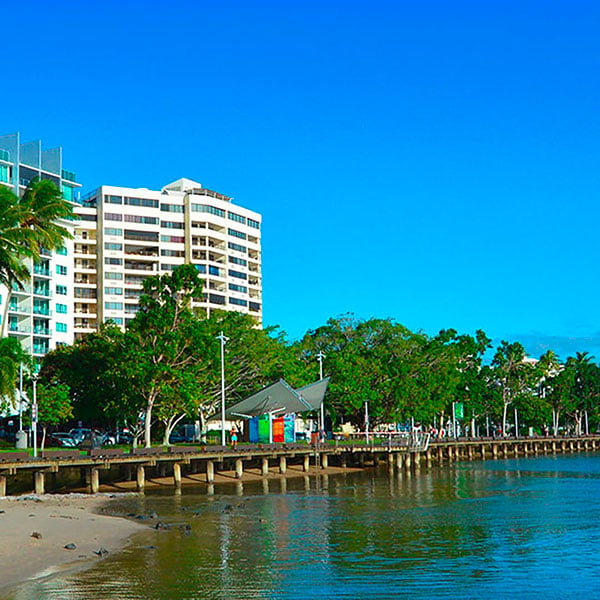
Cairns
Flights from Cairnsto Oslo
2197$
2091$
Prime price per passenger

How long’s the flight to Oslo?

If you’re looking to fly to Oslo, we at Opodo have checked the most popular routes to help you plan your trip. From Perth, the flight takes roughly 20h 9m; from Adelaide, around 20h 58m; and from Brisbane, about 22h 53m.
Flight Time (in hours)
PerthAdelaideBrisbaneMelbourneSydney
0h 5h 10h 15h 20h 25h
20h 9m
20h 58m
22h 53m
23h 41m
23h 58m

How much does a flight to Oslo cost?

At Opodo you can find flights from Sydney to Oslo starting from $654, with an average price of $2,938. If you depart from other cities such as Melbourne, you can find tickets from $692, and from Brisbane starting from $790, according to data from the last 72 hours.
Filter by
SydneyMelbourneBrisbanePerthAdelaide
$2,938
$2,086
$2,136
$1,998
$3,093
SydneyCheapest
Cheapest Price: $654
Cheapest
Average

Find cheap flights to Oslo

Settled between the forested hills and the shimmering waters of the Oslofjord, this northern capital serves as a sophisticated gateway for travellers seeking a blend of urban innovation and raw nature. The city operates as the primary entry point for international journeys, positioning itself as a hub of Scandinavian design and maritime history.

The landscape is defined by the striking silhouette of the Oslo Opera House, where visitors can walk upon the marble roof to view the surrounding harbour. History enthusiasts often head to the Bygdøy peninsula to see the Fram Museum, while the Munch Museum houses the largest collection of works by the famous expressionist painter. Nearby, the Vigeland Sculpture Park showcases over 200 bronze and granite works within the sprawling grounds of Frogner Park.

A discovery of this destination reveals a city that prioritises sustainability and a high quality of life, evident in the car-free streets and expansive green spaces. The atmosphere shifts from the historical echoes of the Akershus Fortress to the modern, glass-clad architecture of the Barcode Project. This balance of ancient heritage and forward-thinking urban planning creates a unique environment for cultural exploration and Nordic discovery.

When to visit Oslo: peak seasons and quiet spells

The energetic pulse of Oslo’s high season

Summer in Oslo brings a dramatic shift in pace as the city basks in long, lingering summer twilight. From June to August, temperatures typically hover between 18°C and 25°C, encouraging a lifestyle centred entirely around the outdoors. Visitors landing at Oslo Airport during these months are met with lush green landscapes and a city that feels remarkably airy, as locals flock to the waterfront and public parks to make the most of the extended daylight.

The cultural atmosphere is defined by a sense of collective celebration, with the Oslo Jazz Festival and various outdoor concerts filling the streets with music. The harbourfront becomes a social hub where people enjoy urban saunas and swim in the clear waters of the Oslofjord. This period is characterised by a relaxed, sun-drenched identity where the boundary between urban life and nature almost disappears, offering a spirited introduction to the region.

The quiet magic of the low season

As the days shorten and the first snowfall typically arrives in November, the city retreats into a cosy, intimate atmosphere known locally as "kos". Winter temperatures often dip below 0°C, transforming the surrounding forests into a pristine white playground for cross-country skiing and sledding. Arriving by air during the low season offers a spectacular view of frozen fjords and snow-capped peaks, setting a serene tone for a visit defined by crisp air and illuminated streets.

While the pace of life slows down, the cultural scene remains robust with indoor highlights like the Nobel Peace Prize Ceremony in December and festive traditional markets. The city’s architectural landmarks, such as the Oslo Opera House, take on a sculptural beauty against the winter sky, and the scent of woodsmoke often drifts through the residential boroughs. It is a season of quiet reflection and striking visual contrasts, providing a deeply authentic northern experience for those who appreciate a colder, more tranquil environment.

Transport to and from Oslo Airport

Oslo is served by two main airports for international and domestic travel. Most passengers arrive through the primary airport north of the city, but a secondary option provides an alternative route for those booking a flight to Oslo.

Oslo Airport (OSL)

The primary gateway to the Norwegian capital is Oslo Airport, commonly referred to by its IATA code OSL. Located approximately 45 km north-east of the city centre in the municipality of Ullensaker, it serves as the largest airport in the country and a major hub for Scandinavian Airlines (SAS), Norwegian Air Shuttle, and Norse Atlantic Airways. The airport features a modern, single-terminal design that efficiently handles a vast network of international long-haul routes and frequent domestic connections.

Upon landing, the most efficient way to reach the city is via the Flytoget high-speed airport express train, which departs every 10 to 20 minutes. This service reaches Oslo Central Station (Oslo S) in approximately 20 minutes, with some services continuing to Nationaltheatret and Skøyen. Alternatively, Vy regional trains offer a slightly slower but frequent connection to the same central hubs. For those staying in peripheral districts, the Flybussen airport express coach network provides multiple routes to various areas, including Majorstuen and Bekkestua, while taxis and ride-hailing services are available at the designated ranks outside the arrivals level.

Sandefjord Airport, Torp (TRF)

Located about 110 km south of the city, Sandefjord Airport, Torp, with the IATA code TRF, serves as a secondary entry point for those looking for budget-friendly flights to Oslo. This airport is a significant base for low-cost carriers such as Ryanair and Wizz Air, alongside domestic services operated by Widerøe. Despite its distance from the capital, it remains a popular choice for travellers arriving from various European destinations due to its straightforward, single-terminal layout.

To travel from Sandefjord Airport, Torp to the city centre, most passengers utilise the Torpekspressen bus service, which is timed to coincide with arriving international flights. The coach journey takes roughly 1 hour and 30 minutes to reach the Oslo Bus Terminal, situated right next to the main railway station. Another reliable option is the shuttle bus that links the airport terminal to the Torp Station, where Vy regional trains run towards Oslo S on the Vestfoldbanen line. The train journey typically takes about 1 hour and 45 minutes, offering scenic views of the Norwegian coastline along the way.

Top things to do in Oslo

From fjord-side architecture to hillside ski jumps, Oslo packs a remarkable range of experiences into one compact, walkable capital.

  • Oslo Opera House stands as a landmark of modern design, where the white marble roof slopes directly into the fjord, inviting visitors to walk across its surface for panoramic views of the surrounding islands.
  • Vigeland Park serves as an expansive open-air gallery, home to more than 200 sculptures in bronze and granite that capture the full spectrum of human emotion and the cycle of life.
  • MUNCH dominates the skyline with its unique leaning silhouette, housing the world’s largest collection of works by Edvard Munch within a sophisticated, vertical museum space.
  • The Fram Museum provides a deep dive into the history of polar exploration, allowing guests to step aboard the strongest wooden ship ever built, which once sailed to the furthest reaches of the north and south.
  • Aker Brygge offers a vibrant waterfront atmosphere where reclaimed industrial shipyards have been transformed into a bustling boardwalk filled with public art and views of the historic Akershus Fortress.
  • Grünerløkka captures the bohemian spirit of the city, defined by its independent boutiques, street art, and lush riverside trails along the Akerselva River, which winds through the urban landscape.
  • Holmenkollen Ski Museum and Tower represents the soul of local sporting culture, featuring a dramatic jump that pierces the sky and offers a vantage point overlooking the entire Oslofjord basin.
  • The National Museum stands as the largest art museum in the Nordic region, showcasing a vast collection that spans from ancient artefacts to contemporary design under one monumental roof.

Plan your trip to Oslo now

Thinking of the fjord-side galleries and forest trails of Oslo? A well-priced fare is usually where that Norwegian discovery begins, and an early booking or a willingness to shift your dates changes what is available to you. Frequent flyers can add an Opodo Prime membership for extra savings and member benefits, keeping the trip up to Norway’s harbourside capital as smooth as the flight itself.

FAQ's about Oslo

How can I find cheap flights to Oslo at Opodo?
At Opodo you can find flights from $26 to Oslo. Our offers are the result of a combination of different technologies, machine learning algorithms and real searches form our customers in our platform, so you can get the options that better suits your needs when flying to Oslo.
When's the best time to go to Oslo?
We checked our customers' flight searches, and the winner of best time to fly to Oslo is... April.
The next best month to travel to Oslo is March.
And let's not forget February, the third top choice for when to go to Oslo.
However if you prefer things on the less busy side, we can also tell you (quietly) that the least popular month for flights to Oslo is November.
What are the cheapest airlines flying to Oslo?

Looking at the prices of our customers' bookings from Australia to Oslo, your best bet for cheap flights is:

  • Vietjet: average one-way price of $2,062.47 , with Brisbane to Oslo an average of $2,022.31 and Melbourne from $2,182.97.
  • Air Asia (one-way average: $2,103.96) : this includes an average price from Perth to Oslo of $2,103.96 and also flights from Melbourne costing $2,495.98.
  • Air Asia X: average cost for one-way was $2,132.47 , with Sydney to Oslo flights costing an average of $1,768.97 and the price tag from Melbourne being $2,495.98.
Which airlines fly to Oslo from Australia?

Airlines flying direct from Australia to Oslo include:

  • Norwegian Air Shuttle, which flies from Amsterdam and Montpellier to Oslo plus from Berlin.
  • Norse Atlantic Airways, which has flights from Amsterdam and Alesund as well as Amsterdam to Oslo.
  • Scandinavian Airlines, with flights from London to Oslo and Manchester and also from Paris.

Indirect flights from the Australia to Oslo include:

  • Turkish Airlines, which flies from Sydney and Melbourne and also from Perth.
  • Emirates, with flights from Sydney and Melbourne to Oslo plus Perth.
  • Qatar Airways, which has flights from Brisbane and Sydney as well as from Singapore to Oslo.
What is the weather like in Oslo?
If you're looking for summer vibes, the best time to travel to Oslo is in July, June and August, when the average temperature reaches 21º, while March, April and May are the 3 sunniest months of the year, with an average of 18 hours. If you prefer colder temperatures, however, make sure you visit Oslo during the months of January, February and December to experience an average of -6º. For those who don't care too much about temperatures, but want to avoid getting wet in the rain, it's important to avoid travelling during September, August and October, when the average precipitation in Oslo is 88mm, while the months of February, April and March are drier, with an average of 41mm.

Plan your trip

Other popular routes to explorePopular CitiesPopular Flight Routes