Book cheap flights to Belfast

Explore the best deals

Discover the cheapest flights to Belfast

Filter by
The prices shown on this page were available within the last 20 days for the specified periods and should not be considered the final price offered. Please note that availability and prices are subject to change.

Popular flight routes to Belfast
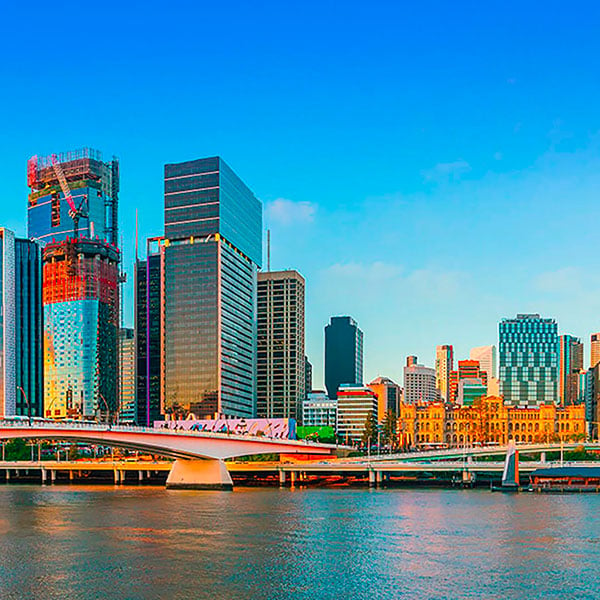
Brisbane
Flights from Brisbaneto Belfast
2375$
2272$
Prime price per passenger
Melbourne
Flights from Melbourneto Belfast
1942$
1845$
Prime price per passenger
Sydney
Flights from Sydneyto Belfast
1114$
1061$
Prime price per passenger
London
Flights from Londonto Belfast
130$
118$
Prime price per passenger
Perth
Flights from Perthto Belfast
2878$
2744$
Prime price per passenger
Glasgow
Flights from Glasgowto Belfast
92$
83$
Prime price per passenger

How long’s the flight to Belfast?

If you’re looking to fly to Belfast, we at Opodo have checked the most popular routes to help you plan your trip. From Perth, the flight takes roughly 21h 21m; from Melbourne, around 22h 42m; and from Sydney, about 24h 30m.
Flight Time (in hours)
PerthMelbourneSydneyBrisbane
0h 5h 10h 15h 20h 25h 30h
21h 21m
22h 42m
24h 30m
25h 15m

How much does a flight to Belfast cost?

At Opodo you can find flights from Sydney to Belfast starting from $1,014, with an average price of $2,088. If you depart from other cities such as Melbourne, you can find tickets from $1,133, and from Perth starting from $1,185, according to data from the last 72 hours.
Filter by
SydneyMelbournePerthBrisbaneCanberra
$2,088
$3,323
$2,386
$5,830
$1,908
SydneyCheapest
Cheapest Price: $1,014
Cheapest
Average

Find cheap flights to Belfast

A flight into the industrial heart of Northern Ireland reveals a city defined by its resilient spirit and deep maritime roots. As a major cultural hub positioned along the River Lagan, this destination serves as a primary gateway for those eager to explore the rugged coastlines and historical landscapes of the north.

The urban fabric is woven with landmarks that narrate a complex history, from the towering yellow cranes of Samson and Goliath to the glass-fronted Titanic Belfast museum situated in the Titanic Quarter. Visitors often gravitate towards the grand Belfast City Hall, a masterpiece of Edwardian Baroque Revival architecture, or find themselves wandering through the Cathedral Quarter, where cobblestone streets are lined with colourful murals and the historic St Anne’s Cathedral.

This city balances its storied past with a modern energy, offering a journey filled with diverse culinary experiences and a world-class arts scene. Whether exploring the botanical treasures of the Palm House or the traditional atmosphere of the Victorian-era St George’s Market, the character of the city remains one of warmth and constant discovery.

When to visit Belfast: peak seasons and quiet spells

The high season in Belfast

The summer months in Belfast bring a noticeable shift in energy as daylight lingers well into the evening, often until 22:00. With temperatures typically hovering between 17°C and 20°C, the city sheds its industrial exterior to reveal lush green spaces and bustling outdoor terraces. Visitors landing at Belfast City Airport or Belfast International Airport during this window are greeted by a maritime climate that, while occasionally unpredictable, encourages long walks through the Titanic Quarter and the botanical gardens.

This period is defined by a packed cultural calendar, highlighted by the Belfast Mela and various music festivals that take over the city’s parks. The social pace accelerates as locals and tourists alike flock to the Cathedral Quarter, where the narrow cobbled streets hum with live music and conversation. The atmosphere is one of collective celebration, making the most of the mild weather before the Atlantic breezes begin to sharpen in the later months.

The low season in Belfast

As autumn transitions into winter, Belfast takes on a more intimate and atmospheric character. The temperature often drops to between 3°C and 7°C, and the frequent mist rolling off Cave Hill lends the Victorian architecture a dramatic, moody aesthetic. Upon arrival, the crisp air and early sunsets at 16:00 signal a move towards indoor warmth, with the city’s historic pubs and grand libraries becoming the primary social hubs.

The low season is anchored by the Belfast Christmas Market, which transforms the grounds of the Belfast City Hall into a glowing village of wooden chalets. While the pace of life slows down compared to the summer peak, the cultural scene remains robust with the Belfast International Arts Festival drawing crowds to indoor venues. It is a time for fire-lit evenings and hearty culinary experiences, offering a sense of cosiness that defines the city’s winter identity.

Transport to and from Belfast Airport

Two distinct air gateways serve the capital of Northern Ireland, providing travellers with a choice between a coastal facility near the suburbs and a larger international hub located further inland. Whether you are arriving on a short-hop domestic service or a long-haul flight to Belfast, both airports offer established transit links that connect the terminals directly to the heart of the city.

George Best Belfast City Airport (BHD)

Situated just 5 km east of the city centre, the George Best Belfast City Airport (BHD) occupies a prime location along the Belfast Lough shoreline. This single-terminal airport primarily handles domestic traffic from across the United Kingdom and a select number of European destinations, serving as a significant base for Aer Lingus and British Airways. Because of its proximity to the metropolitan core, it is a preferred choice for business travellers and those looking for the fastest possible transition from the runway to their accommodation.

The journey into the city is remarkably quick, typically taking between 10 and 15 minutes by road. The Airport Express 600 bus service departs from the terminal forecourt every 20 to 30 minutes, terminating at the Belfast Grand Central Station. For those preferring rail, a shuttle bus links the terminal to the Sydenham Train Station, where frequent services run to Lanyon Place Station and Belfast Grand Central Station. Taxis are also readily available at the rank outside the main entrance, providing a direct door-to-door service to the Cathedral Quarter or the Titanic Quarter.

Belfast International Airport (BFS)

Located approximately 20 km north-west of the city near the town of Crumlin, Belfast International Airport (BFS) serves as the primary gateway for global traffic and low-cost carriers. As the busiest airport in the region, it hosts a high volume of flights to Belfast operated by easyJet, Ryanair, and Jet2.com, featuring an extensive network of year-round and seasonal routes. The facility consists of a large, integrated terminal building equipped to handle long-haul narrow-body and wide-body aircraft, making it the central hub for international arrivals.

Travellers landing here can reach the city centre in roughly 30 to 40 minutes depending on traffic conditions. The most common public transport option is the Airport Express 300 bus, which operates a 24-hour service and runs frequently throughout the day, arriving at Belfast Grand Central Station. While there is no direct rail link to this airport, taxis and private hire vehicles are situated immediately outside the arrivals hall, offering a convenient alternative for groups or those travelling with heavy luggage. The airport’s position near the M2 motorway also ensures straightforward road access for those heading towards the northern coastal regions or the west of the province.

Top things to do in Belfast

Compact enough to cross on foot, Belfast lines up shipyard heritage, Victorian market halls and hillside lookouts a short distance from the city centre.

  • Titanic Belfast: Situated in the heart of the Titanic Quarter, this well-known aluminium-clad building stands on the very slipways where the famous ocean liner was constructed. The jagged architecture mimics the hull of a ship, housing immersive galleries that trace the city’s maritime soul and its global shipbuilding legacy.
  • St George’s Market: Stepping into this Victorian red-brick masterpiece on a weekend morning reveals a sensory explosion of local life, from the scent of fresh soda bread to the sounds of live acoustic music. It remains one of the oldest attractions in the city, acting as a bustling social hub where local artisans and food producers gather under a soaring glass roof.
  • The Cathedral Quarter: Characterised by narrow cobblestone alleys and colourful street art, this district serves as the cultural heartbeat of the city. It is the best place to experience the warmth of a traditional tavern or discover hidden galleries tucked away in historic warehouses.
  • Ulster Museum: Located within the lush borders of the Botanic Gardens, this institution offers a deep dive into everything from ancient Egyptian archaeology to the complex modern history of the region. The building itself is an architectural marvel, seamlessly blending a brutalist extension with the original neoclassical structure.
  • Cave Hill Country Park: For those seeking a panoramic view of the skyline and the Irish Sea, a hike to McArt’s Fort offers a perspective that inspired Jonathan Swift’s Gulliver’s Travels. The silhouette of the hill, known locally as Napoleon’s Nose, dominates the horizon and provides a rugged escape just minutes from the urban centre.
  • Belfast City Hall: This Edwardian Baroque Revival landmark defines the city centre with its massive copper dome and Portland stone facade. The surrounding lawns are a focal point for public life, offering a grand architectural welcome to anyone strolling through the civic heart of the city.

Plan your trip to Belfast now

Trips to Ireland’s north begin with a well-timed search, and securing your passage to Belfast is no exception provided the right tools are close to hand. Let your departure dates move a little and buy your airfare early, and the handiest routes soon become clear to the heart of Northern Ireland. If you fly regularly, Opodo Prime provides a straightforward route to extra value and benefits shaped around you, ensuring every flight feels like the start of something special.

FAQ's about Belfast

How can I find cheap flights to Belfast at Opodo?
At Opodo you can find flights from $30 to Belfast. Our offers are the result of a combination of different technologies, machine learning algorithms and real searches form our customers in our platform, so you can get the options that better suits your needs when flying to Belfast.
When's the best time to go to Belfast?
We checked our customers' flight searches, and the winner of best time to fly to Belfast is... April.
The next best month to travel to Belfast is March.
And let's not forget February, the third top choice for when to go to Belfast.
However if you prefer things on the less busy side, we can also tell you (quietly) that the least popular month for flights to Belfast is November.
What are the cheapest airlines flying to Belfast?

Looking at the prices of our customers' bookings from Australia to Belfast, your best bet for cheap flights is:

  • China Southern Airlines: average one-way price of $2,095.98 , with Brisbane to Belfast an average of $2,095.98 and Melbourne from $2,378.17.
  • Batik Air Malaysia (one-way average: $2,263.98) : this includes an average price from Perth to Belfast of $2,263.98 and also flights from Sydney costing $2,314.25.
  • Etihad Airways: average cost for one-way was $2,311.35 , with Melbourne to Belfast flights costing an average of $2,228.63 and the price tag from Sydney being $2,322.14.
Which airlines fly to Belfast from Australia?

Airlines flying direct from Australia to Belfast include:

  • Ryanair UK, which flies from London and Manchester to Belfast plus from Edinburgh.
  • Easyjet, which has flights from Glasgow and London as well as Birmingham to Belfast.
  • Aer Lingus, with flights from Leeds Bradford to Belfast and Southampton and also from Newquay.

Indirect flights from the Australia to Belfast include:

  • British Airways, which flies from Melbourne and Brisbane and also from Perth.
  • Aer Lingus, with flights from Philadelphia, PA and Copenhagen to Belfast plus Des Moines, IA.
  • Easyjet, which has flights from Sydney and Melbourne as well as from Sydney to Belfast.
What is the weather like in Belfast?
If you're looking for summer vibes, the best time to travel to Belfast is in July, August and June, when the average temperature reaches 19º, while May, July and June are the 3 sunniest months of the year, with an average of 19 hours. If you prefer colder temperatures, however, make sure you visit Belfast during the months of February, January and December to experience an average of 2º. For those who don't care too much about temperatures, but want to avoid getting wet in the rain, it's important to avoid travelling during October, November and December, when the average precipitation in Belfast is 96mm, while the months of May, April and February are drier, with an average of 64mm.

Plan your trip

Other popular routes to explorePopular CitiesPopular Flight Routes