Book cheap flights to Dublin

Explore the best deals

Discover the cheapest flights to Dublin

Filter by
The prices shown on this page were available within the last 20 days for the specified periods and should not be considered the final price offered. Please note that availability and prices are subject to change.

Popular flight routes to Dublin
Sydney
Flights from Sydneyto Dublin
5166$
5013$
Prime price per passenger
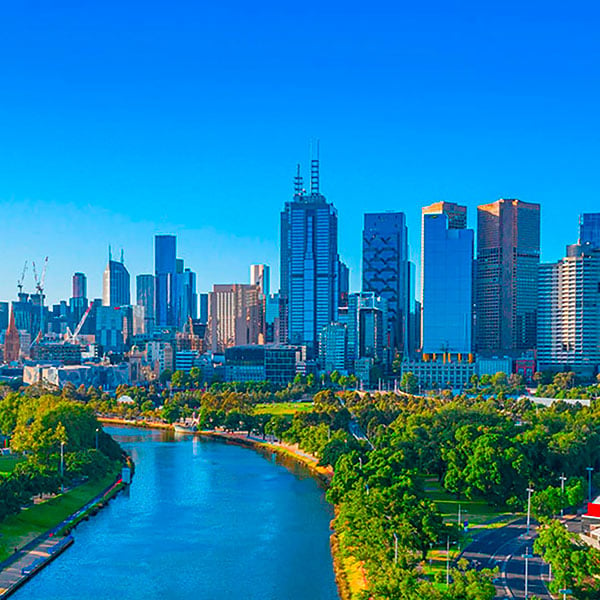
Melbourne
Flights from Melbourneto Dublin
6023$
5774$
Prime price per passenger
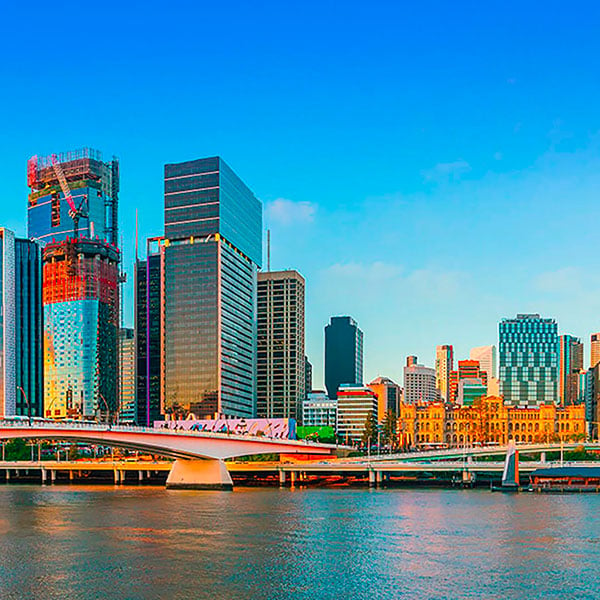
Brisbane
Flights from Brisbaneto Dublin
1127$
1071$
Prime price per passenger
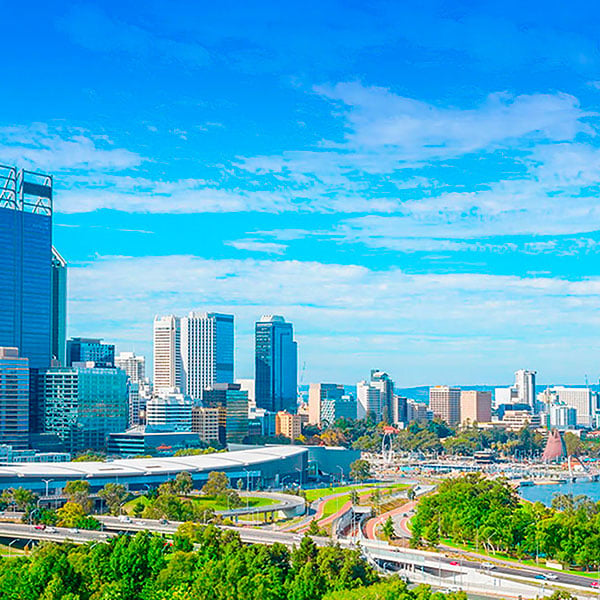
Perth
Flights from Perthto Dublin
1149$
1089$
Prime price per passenger
Bangkok
Flights from Bangkokto Dublin
2132$
2045$
Prime price per passenger
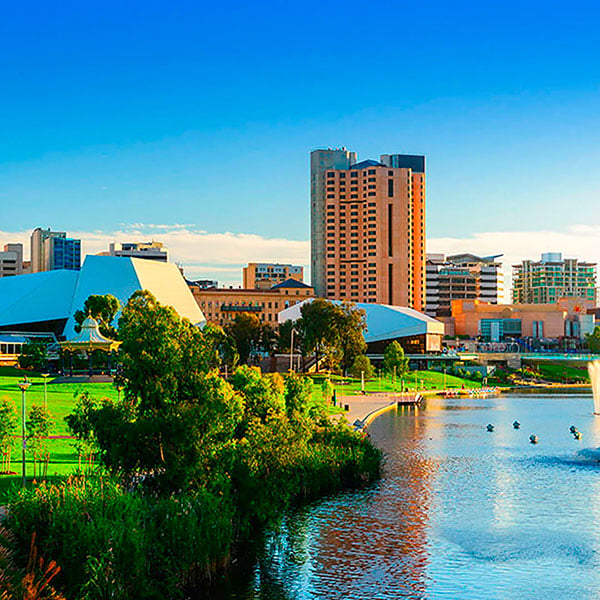
Adelaide
Flights from Adelaideto Dublin
1273$
1189$
Prime price per passenger

How long’s the flight to Dublin?

If you’re looking to fly to Dublin, we at Opodo have checked the most popular routes to help you plan your trip. From Perth, the flight takes roughly 20h 3m; from Melbourne, around 23h; and from Brisbane, about 23h 33m.
Flight Time (in hours)
PerthMelbourneBrisbaneSydneyTownsville
0h 5h 10h 15h 20h 25h
20h 3m
23h 0m
23h 33m
24h 0m
24h 31m

How much does a flight to Dublin cost?

At Opodo you can find flights from Sydney to Dublin starting from $704, with an average price of $3,055. If you depart from other cities such as Melbourne, you can find tickets from $709, and from Perth starting from $830, according to data from the last 72 hours.
Filter by
SydneyMelbournePerthBrisbaneCairns
$3,055
$2,772
$1,956
$3,102
$4,508
SydneyCheapest
Cheapest Price: $704
Cheapest
Average

Find cheap flights to Dublin

A visit to the historic heart of the Irish capital, on the banks of the River Liffey, offers immediate access to a city that balances medieval foundations with a high-energy, modern European identity. Dublin serves as a dense cultural hub where centuries of maritime trade and literary evolution have shaped the urban landscape for international visitors.

The city’s architectural narrative is best explored through the grand Georgian squares and the imposing presence of Dublin Castle, which stands as a testament to various eras of administrative power. Cultural depth is found within the hallowed Long Room of the Old Library at Trinity College, home to the Book of Kells, and the spiritual serenity of St Patrick’s Cathedral.

Visitors are often drawn to the spirited atmosphere of the Temple Bar district or the refined greenery of St Stephen’s Green, reflecting a destination defined by its conviviality. Whether the journey is motivated by a deep interest in Celtic history or the city’s renowned brewing heritage, the character of the streets remains rooted in a distinct tradition of storytelling and hospitality.

When to visit Dublin: peak seasons and quiet spells

Dublin during the lively peak season

The height of summer in Dublin brings the longest days of the year, where twilight often lingers until 22:00. With average daily temperatures hovering around 18°C to 20°C, the city sheds its moody Atlantic character in favour of a lively, outdoor-focused rhythm. Visitors landing at Dublin Airport during these months are met with a bustling capital where the locals congregate in green lungs like St Stephen’s Green or along the banks of the Grand Canal to soak up the rare Irish sunshine.

Cultural energy peaks during this window, marked by a constant rotation of open-air festivals and street performances that fill the air with music. The social pace is undeniably faster, as the city’s historic core becomes a hub for international travellers and locals enjoying the UNESCO City of Literature’s many beer gardens and terrace spaces. The atmosphere is one of collective celebration, where the mild maritime breeze makes wandering between the medieval cathedrals and Georgian squares a comfortable, light-filled experience.

Low season in Dublin: atmospheric charm

As autumn fades into the cooler winter months, the city adopts a more intimate and contemplative identity. Temperatures rarely stray outside a band of 3°C to 8°C, accompanied by the characteristic mist and soft rain that define the Irish landscape. The first breath of cold, damp air outside the terminal signals a city that has turned indoors; the scent of turf fires occasionally drifts through the streets, and the city’s famous pubs become sanctuaries of conversation and traditional fiddle music.

While the days are shorter, with the sun setting around 16:30 in December, Dublin glows with festive lights and a cosy, village-like feel. The frantic pace of the summer crowds is replaced by a slower, more authentic local lifestyle, offering a chance to explore the National Museum of Ireland or the Trinity College library without the peak-season rush. This period highlights the city’s architectural bones and literary soul, providing a rugged, windswept beauty that is best enjoyed before retreating into a heated gallery or a quiet corner of a historic library.

Transport to and from Dublin Airport

Ireland’s capital is served by a major international hub that acts as the primary entry point for the Emerald Isle, ensuring a flight to Dublin lands travellers right on the east coast. This central facility manages the vast majority of the region’s air traffic and is conveniently located for rapid access to the city’s historic heart.

Travel from Dublin Airport

Dublin Airport (DUB) is located approximately 10 km north of the city centre in the Collinstown area. As the busiest airport in the country, it serves as the primary hub for Aer Lingus and the main base for Ryanair, offering an extensive network of short-haul and long-haul flights to Dublin. The facility consists of two main terminals: Terminal 1, which handles the bulk of short-haul traffic, and Terminal 2, which is the dedicated home for long-haul carriers and transatlantic services.

Upon arrival, travellers can reach the city centre via several dedicated coach services and public buses, as there is currently no direct rail or metro link. The Aircoach and Dublin Express services are the most popular options, providing frequent departures that reach O’Connell Street, Trinity College, and Heuston Station in roughly 30 to 50 minutes, depending on traffic. Local Dublin Bus routes, such as the 16 and 41, also serve the airport, offering a slower but regular connection to Drumcondra and the city centre. A large taxi rank is located directly outside both terminals, where a journey to the central districts typically takes around 20 to 30 minutes.

Top things to do in Dublin

  • Trinity College Long Room: This cathedral-like library houses thousands of ancient volumes beneath a soaring barrel-vaulted ceiling, offering a quiet, wooden-scented sanctuary that feels worlds away from the urban hum outside.
  • Temple Bar: While famous for its concentrated nightlife, this cultural quarter is best experienced through its narrow alleys and scarlet-fronted pubs where the sound of traditional fiddle music frequently spills out onto the street.
  • Guinness Storehouse: Located in the heart of the historic St James’s Gate, this industrial landmark tells the story of the city’s most famous export, culminating in a glass-walled space offering 360-degree views of the sprawling city below.
  • Phoenix Park: As one of the largest enclosed recreational spaces in any European capital, these vast grasslands provide a home to wild fallow deer and offer a serene escape for those seeking a moment of nature within the city limits.
  • Kilmainham Gaol: This decommissioned prison serves as a powerful monument to the complex political history of Ireland, where the stark limestone corridors and silent cells tell stories of rebellion and national identity.
  • St Stephen’s Green: A Victorian park that offers the city’s most popular green respite, it features ornamental lakes and manicured flowerbeds that provide a picturesque backdrop for people-watching near the bustling shopping districts.
  • The River Liffey: Bisecting the city, the river is crossed by well-known structures like the Ha’penny Bridge, serving as a constant geographic compass for explorers navigating between the historic north and south sides.
  • Little Museum of Dublin: Housed in a beautiful Georgian townhouse, this collection of locally donated artefacts offers a quirky and intimate look at the 20th-century social history of the city and its people.

Plan your trip to Dublin now

It takes remarkably little to be on your way to Dublin, where Georgian terraces, riverside pubs and a famously warm welcome are waiting. Finding the most convenient flight options for your journey is easier when you book well in advance and keep some give in your departure days so the widest choice stays open. If Ireland keeps drawing you back, Opodo Prime is worth a look, since its member benefits and savings make each return to the Emerald Isle feel that bit easier to arrange.

FAQ's about Dublin

How can I find cheap flights to Dublin at Opodo?
At Opodo you can find flights from $25 to Dublin. Our offers are the result of a combination of different technologies, machine learning algorithms and real searches form our customers in our platform, so you can get the options that better suits your needs when flying to Dublin.
When's the best time to go to Dublin?
We checked our customers' flight searches, and the winner of best time to fly to Dublin is... April.
The next best month to travel to Dublin is March.
And let's not forget February, the third top choice for when to go to Dublin.
However if you prefer things on the less busy side, we can also tell you (quietly) that the least popular month for flights to Dublin is November.
What are the cheapest airlines flying to Dublin?

Looking at the prices of our customers' bookings from Australia to Dublin, your best bet for cheap flights is:

  • Air Asia X: average one-way price of $1,671.99 , with Melbourne to Dublin an average of $1,671.99 and Sydney from $2218.
  • Virgin Australia (one-way average: $1,918.99) : this includes an average price from Sydney to Dublin of $1,918.99 and also flights from Sydney costing $2,173.99.
  • China Southern Airlines: average cost for one-way was $1,925.99 , with Brisbane to Dublin flights costing an average of $1,925.99 and the price tag from Sydney being $2,207.22.
Which airlines fly to Dublin from Australia?

Airlines flying direct from Australia to Dublin include:

  • Ryanair, which flies from London and Edinburgh to Dublin plus from Glasgow.
  • Aer Lingus, which has flights from Philadelphia, PA and Los Angeles, CA as well as Frankfurt to Dublin.
  • Swiss International Air Lines, with flights from New York City to Dublin and Manchester and also from Lyon.

Indirect flights from the Australia to Dublin include:

  • Turkish Airlines, which flies from Brisbane and Melbourne and also from Perth.
  • Etihad Airways, with flights from Sydney and Melbourne to Dublin plus Perth.
  • Aer Lingus, which has flights from Brisbane and Perth as well as from Sydney to Dublin.
How many airports are there in Dublin and which is the main one?
Dublin has 1 airport. Dublin Airport operates flights to domestic and international destinations to 9 cities. Some of the most popular destinations are London, Warsaw and Edinburgh.
What is the weather like in Dublin?
If you're looking for summer vibes, the best time to travel to Dublin is in July, August and June, when the average temperature reaches 19º, while July, May and September are the 3 sunniest months of the year, with an average of 20 hours. If you prefer colder temperatures, however, make sure you visit Dublin during the months of February, January and December to experience an average of 3º. For those who don't care too much about temperatures, but want to avoid getting wet in the rain, it's important to avoid travelling during October, August and November, when the average precipitation in Dublin is 75mm, while the months of February, March and April are drier, with an average of 52mm.

Plan your trip

Other popular routes to explorePopular CitiesPopular Flight Routes